Russians Opt for Cash Amidst Economic Strain from Ukraine War
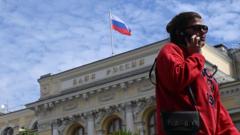
Russian citizens are increasingly turning to cash transactions as the nation's economy faces mounting pressure from the ongoing war in Ukraine. This shift has been exacerbated by disruptions such as mobile internet shutdowns, which hinder digital payment systems and online commerce. Furthermore, businesses are reportedly seeking ways to evade taxes, a behavior likely intensified by the prolonged economic challenges and the demands of a wartime economy. These factors collectively contribute to a strain on Russia's economic infrastructure, impacting both consumer behavior and corporate practices. The prolonged conflict, now in its fifth year, continues to reshape the economic landscape within Russia, forcing adaptations in how both individuals and businesses operate. The move towards cash and tax avoidance signals a growing desire to circumvent official financial channels and potentially mitigate the impact of sanctions and economic instability.
The reported increase in cash usage and tax evasion in Russia suggests a response to the cumulative economic pressures of a protracted conflict. This behavior may reflect a loss of confidence in digital financial systems or a strategy to operate outside formal economic oversight, potentially to avoid sanctions or to preserve capital. From a systemic perspective, such trends can undermine fiscal stability and complicate economic management for the government. Over the next decade, as digital currencies and blockchain technologies mature, nations facing similar geopolitical and economic stresses may explore alternative financial infrastructures, but the immediate challenge for Russia lies in maintaining economic resilience amidst these internal and external pressures.
AI-generated to prompt reflection — not editorial opinion, not advice, not a statement of fact. How this works.