Ruto's UDA Party Accuses Former President Kenyatta of Sabotage and Economic Mismanagement
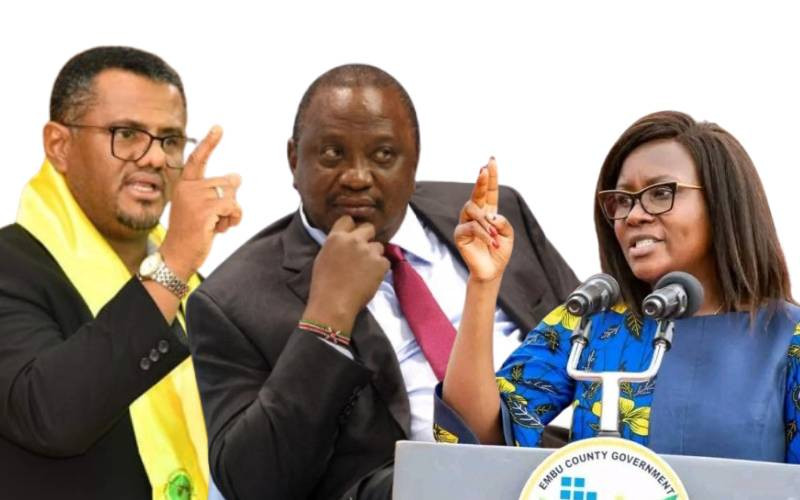
The United Democratic Alliance (UDA), the party of current President William Ruto, has launched a strong criticism against former President Uhuru Kenyatta. UDA alleges that Kenyatta harbors bitterness and is engaged in political sabotage. The party also blames him for leaving behind a struggling economy for the current administration to manage. These accusations suggest a deep political rift and differing perspectives on the state of the nation's economy. The UDA's statements indicate a desire to hold the previous administration accountable for current economic challenges. This public exchange highlights ongoing political tensions following the recent presidential transition.
The UDA's public critique of former President Kenyatta frames the transition of power as contentious, attributing economic difficulties to the prior administration. This narrative strategy may serve to consolidate the current government's political standing by externalizing blame for economic challenges. Examining the incentive structures for political actors, such post-election rhetoric can be a common tactic to legitimize a new leadership's agenda and differentiate it from its predecessor. From a governance perspective, the long-term implications of such public disputes can either foster accountability or deepen political polarization, potentially impacting investor confidence and national cohesion. Considering the evolving dynamics of governance in the digital age, the speed at which such narratives spread necessitates a focus on evidence-based policy discourse over partisan attacks.
AI-generated to prompt reflection — not editorial opinion, not advice, not a statement of fact. How this works.