Rutte Compares NATO to a Football Team
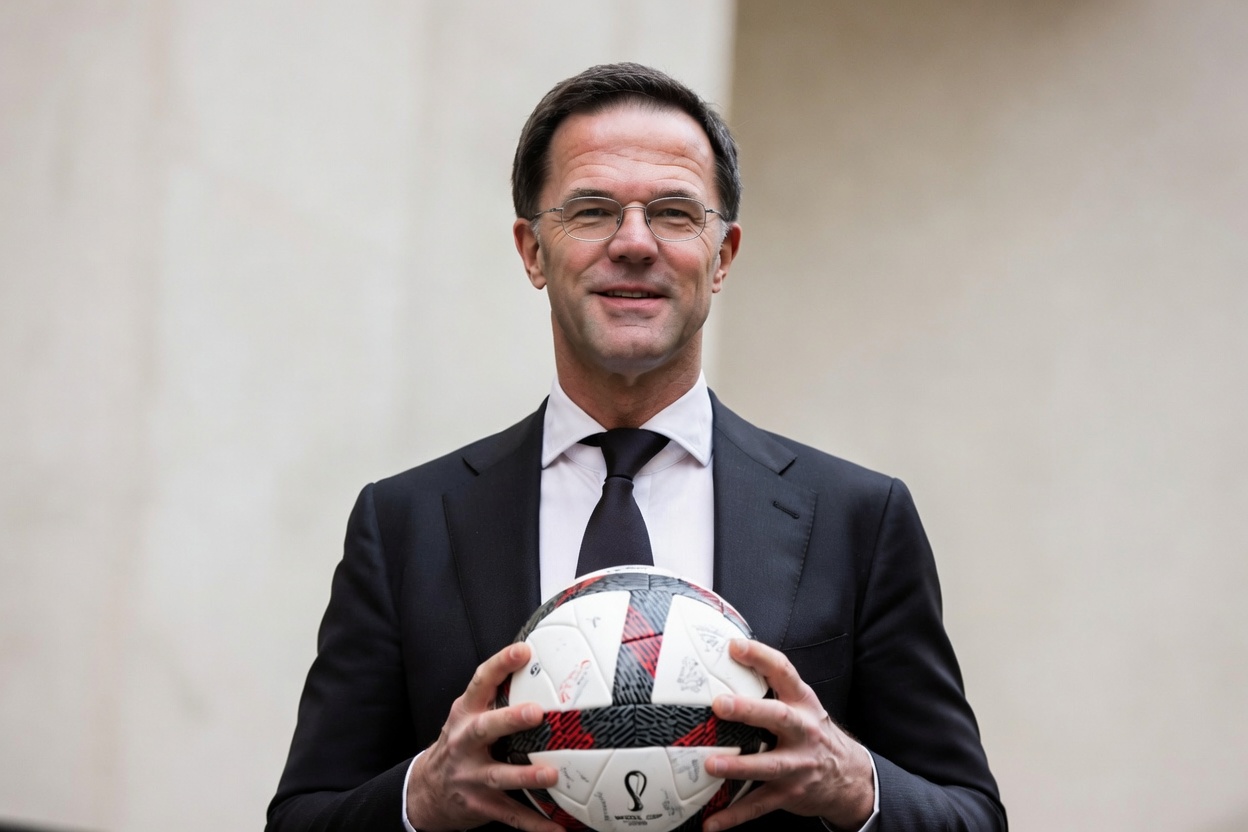
Dutch Prime Minister Mark Rutte has drawn a parallel between NATO and a football team. He made this comparison during a discussion about the alliance's future. Rutte emphasized the importance of unity and collective action within NATO, much like the coordination seen in a successful sports team. He suggested that just as players on a football team must work together towards a common goal, NATO member states need to collaborate effectively to address global security challenges. The Prime Minister's remarks highlight his perspective on strengthening the alliance's cohesion and operational readiness. This analogy underscores his view that shared strategy and mutual support are crucial for NATO's continued relevance and strength on the international stage. The comparison aims to foster a deeper understanding of the collaborative spirit required within the military alliance.
Comparing NATO to a football team frames the alliance's operational dynamics through a lens of teamwork and shared objectives. This analogy highlights the importance of coordinated strategy and mutual support among member states to achieve common security goals. Such a perspective can be useful for illustrating the need for collective action and consistent contributions from all parties. However, it's crucial to recognize the inherent differences between a sports team and a geopolitical alliance. NATO's decisions involve complex national interests, varying threat perceptions, and significant geopolitical stakes, which extend far beyond the scope of a sporting competition. The effectiveness of NATO, therefore, relies not just on 'team spirit' but on robust diplomatic processes, equitable burden-sharing, and strategic alignment in a constantly evolving global security environment. The challenge for NATO moving forward will be to translate this spirit of cooperation into tangible security outcomes amidst diverse national priorities and emerging global threats.
AI-generated to prompt reflection — not editorial opinion, not advice, not a statement of fact. How this works.