Rutte Navigates NATO Summit Amidst Trump's Demands for Calm
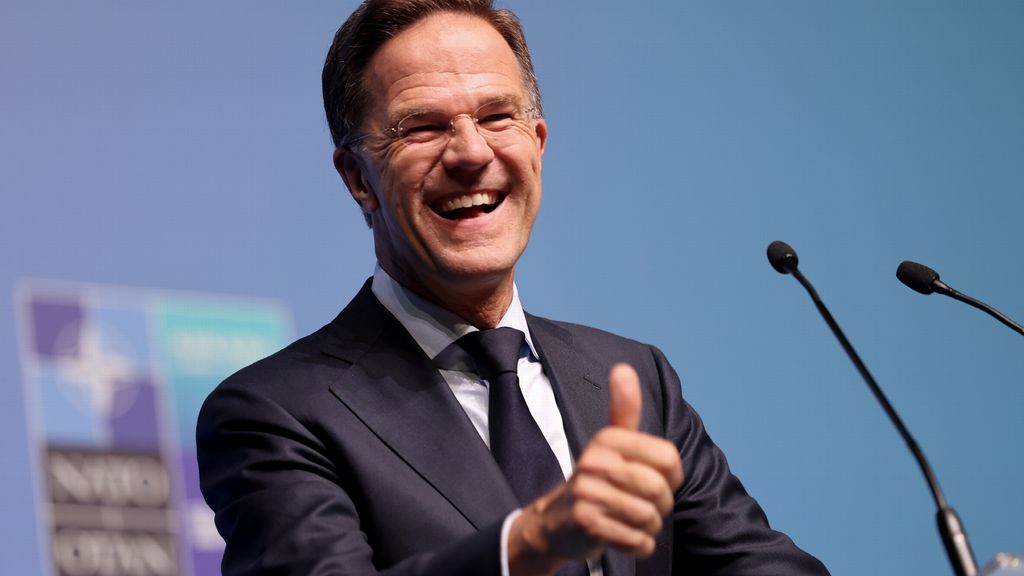
NATO Secretary General Jens Stoltenberg, often referred to as 'Trump's whisperer,' is tasked with maintaining calm within the alliance during the upcoming NATO summit in Ankara, hosted by Turkish President Erdogan. Diplomats joke about the lengths Stoltenberg and FIFA President Infantino go to appease former US President Donald Trump. Stoltenberg's strategy appears to involve continued flattery towards Trump, a tactic that has thus far allowed him to avoid significant backlash. The summit aims to project an image of unity and strength, with leaders expected to highlight substantial investments in their own defense, often through the purchase of American weaponry. Stoltenberg previously presented Trump with impressive figures during a White House visit.
Despite his approach, Stoltenberg faces criticism. Robert Kagan, writing in The Atlantic, compared Stoltenberg unfavorably to Russia's Foreign Minister Lavrov, while Trump's former press secretary, Anthony Scaramucci, called the former Dutch Prime Minister a 'suppository' for Trump, arguing that Trump respects confrontation more than flattery. However, insiders suggest that many European politicians appreciate Stoltenberg taking the lead on appeasing Trump, freeing them to criticize him publicly, which resonates with their domestic bases. This dynamic is seen as a temporary measure given Europe's current dependence on the US, with hopes for a future, more balanced NATO where European nations shoulder more defense responsibility.
US pressure remains high, with Defense Secretary Hegseth signaling potential reductions in US NATO contributions, prompting European nations to scramble for alternative resources, a task they reportedly believe they are largely completing. Hegseth also indicated that the US will announce troop withdrawals from Europe within six months. The summit's draft conclusions are expected to praise European defense efforts as contributing to 'a stronger Europe in a stronger NATO.' Leaders are also anticipated to approve further aid for Ukraine, pledging 70 billion euros for 2026 and a similar amount for the following year, largely through an EU loan. Ukrainian President Zelensky is expected to lobby for increased air defense capabilities following recent Russian attacks. The summit's success is deemed to be a 'boring meeting,' heavily dependent on Trump's mood, as demonstrated by Albania losing its hosting rights for the next summit due to alleged defense spending irregularities.
The upcoming NATO summit in Ankara presents a complex geopolitical dynamic, where internal alliance cohesion is tested by the assertive stance of a key member's former leader. The strategy of appeasing Donald Trump, while criticized by some as sycophantic, may be a pragmatic response to immediate political realities and the perceived necessity of maintaining a united front against external threats. This approach highlights a potential systemic tension within the alliance: the balance between individual member states' national interests and the collective security objectives of NATO. The emphasis on increased European defense spending and the potential for greater European autonomy in security matters reflects a long-term structural shift, driven by both US policy shifts and a desire for strategic independence. The summit's outcome will likely be measured not only by concrete agreements on aid and defense but also by its ability to manage internal dissent and project an image of stability in an increasingly volatile global landscape.
AI-generated to prompt reflection — not editorial opinion, not advice, not a statement of fact. How this works.