Rutte's NATO Strategy: Diplomat or Trump's Servant?
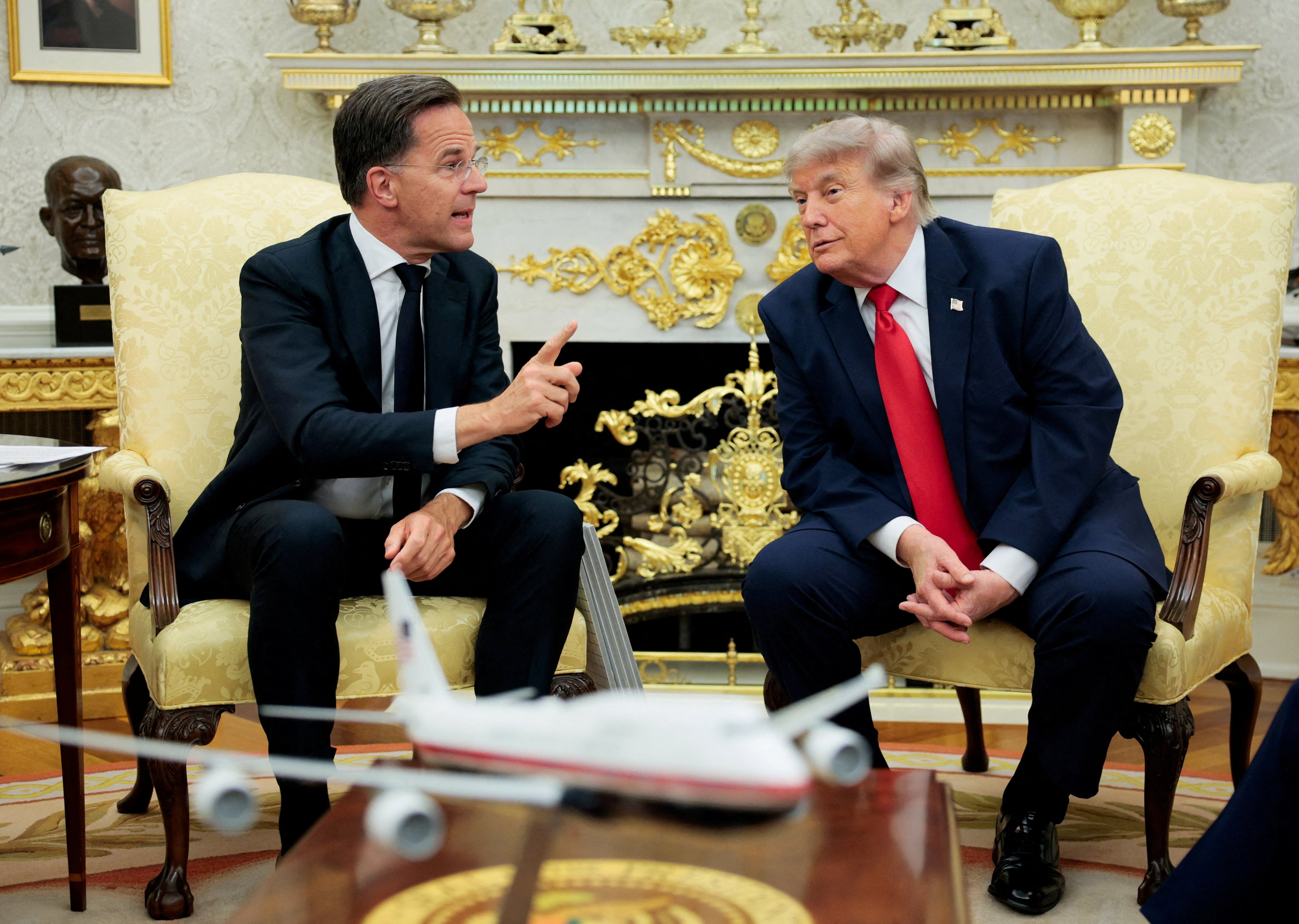
NATO Secretary General Mark Rutte is heading to the Ankara summit aiming to prove his approach towards U.S. President Donald Trump is not subservience, but rather a necessary cost for transforming the Alliance. Rutte's strategy involves a policy of engagement with Trump, which he believes is crucial for securing the future of NATO. The summit in Ankara will be a key test of whether his diplomatic efforts can successfully navigate the complex relationship with the U.S. and achieve his goals for the organization. Rutte's supporters argue that his pragmatic approach is essential to maintain transatlantic unity and adapt the Alliance to new geopolitical challenges. Critics, however, question whether this strategy risks undermining NATO's autonomy and principles. The outcome of the Ankara summit is expected to provide significant insight into the effectiveness of Rutte's tenure and his vision for NATO's evolution.
NATO Secretary General Mark Rutte's strategy of engaging with U.S. President Donald Trump presents a complex challenge in maintaining alliance cohesion and strategic autonomy. The core tension lies in balancing the perceived necessity of U.S. leadership and resources with the risk of individual member states unduly influencing alliance policy. Rutte's approach appears to prioritize pragmatic diplomacy and adaptation to prevailing political winds, aiming to secure continued U.S. commitment. This strategy, while potentially effective in the short term for alliance management, could face long-term sustainability issues if it fosters a perception of deference rather than partnership. Future alliance dynamics will likely hinge on institutional mechanisms that ensure collective decision-making and strategic foresight, independent of individual leader personalities or national interests.
AI-generated to prompt reflection — not editorial opinion, not advice, not a statement of fact. How this works.