Rwanda Criticizes US Approach to DRC Crisis as Unfair
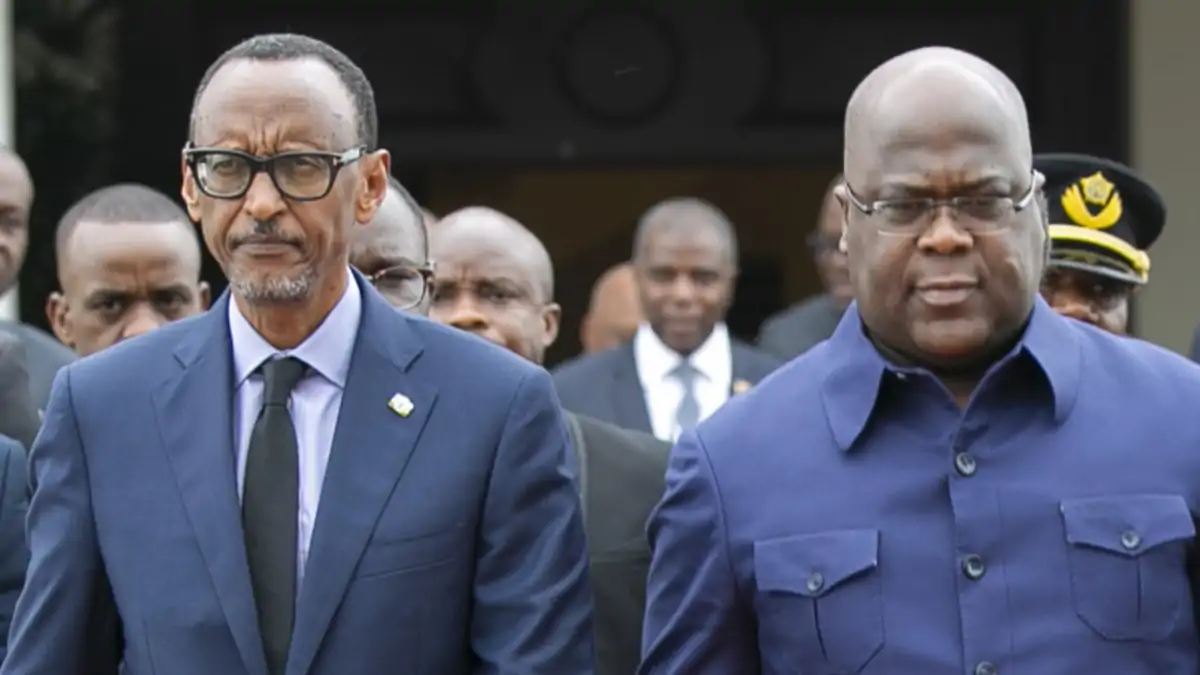
Rwandan authorities have openly criticized the United States' stance on the diplomatic management of the conflict in the eastern Democratic Republic of Congo (DRC). Rwandan Minister of State for Foreign Affairs, Olivier Nduhungirehe, highlighted what he described as a "flagrant contradiction" following US sanctions against Kigali. He noted that Kinshasa has not faced similar measures, despite alleged involvement in the conflict. Nduhungirehe asserted that the US approach is not equitable and does not contribute to resolving the crisis. He suggested that the US should engage with Rwanda more constructively to find a lasting solution. The Rwandan diplomat emphasized that his country is committed to peace and stability in the Great Lakes region. He also indicated that Rwanda expects a more balanced and objective engagement from international partners, particularly the United States. The ongoing conflict in eastern DRC has led to significant humanitarian challenges and regional instability.
Rwanda's critique of US policy regarding the DRC conflict highlights a potential divergence in diplomatic strategies and perceptions of fairness. The US sanctions against Kigali, juxtaposed with a perceived lack of similar action against Kinshasa, suggest differing interpretations of accountability and responsibility for regional instability. This situation may reflect complex geopolitical incentives, where US foreign policy aims to balance competing interests and alliances in Central Africa. Rwanda's call for a more constructive engagement points to a desire for diplomatic solutions that acknowledge its security concerns, while the US approach may be influenced by broader objectives related to regional stability and international law. The differing perspectives underscore the challenges in achieving a unified international response to protracted conflicts, particularly when national interests and security perceptions are at odds.
AI-generated to prompt reflection — not editorial opinion, not advice, not a statement of fact. How this works.