Ryanair CEO Calls for Regulation to Force Aena to Fill Regional Airports
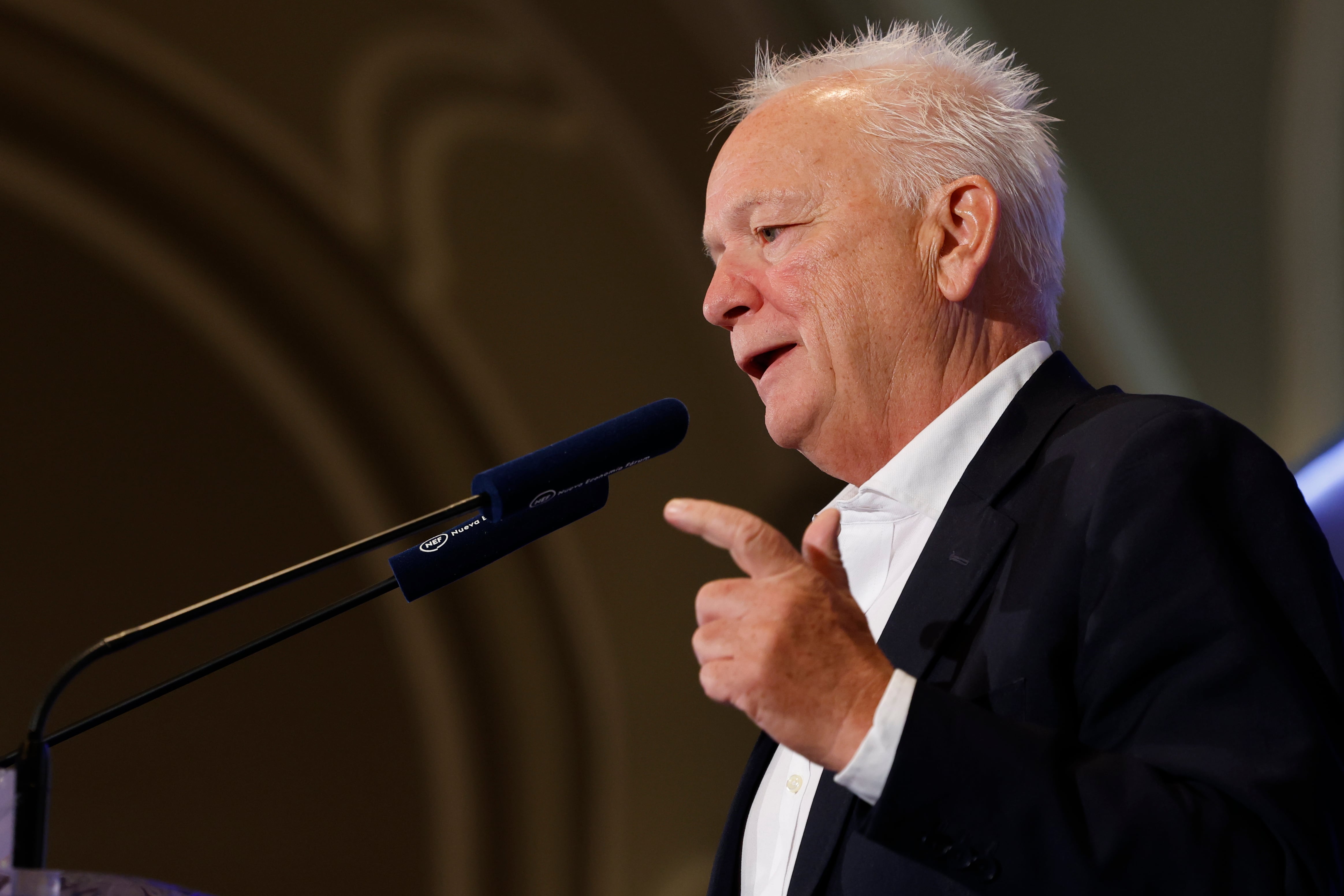
Eddie Wilson, the CEO of low-cost airline Ryanair, has criticized Europe's regulatory pressure and Aena's monopolistic behavior. Wilson specifically argued that politicians should compel Aena, the state-owned airport operator in Spain, to ensure that regional airports are adequately utilized. He expressed frustration with the current situation, where he believes Aena is not fulfilling its potential to stimulate activity at these smaller airports. Ryanair, a major player in the European aviation market, is advocating for policies that would create a more competitive and efficient airport network. The airline's stance suggests a desire for greater access and lower costs at airports currently perceived as underperforming. Wilson's comments highlight ongoing tensions between airlines and airport operators regarding infrastructure development and pricing strategies. The call for political intervention indicates a belief that market forces alone are insufficient to address the perceived shortcomings in regional airport management.
The CEO's assertion points to a potential misalignment between airport infrastructure development and airline operational needs. By calling for political intervention, Ryanair is signaling a strategic attempt to influence regulatory frameworks governing airport management, particularly concerning state-owned entities like Aena. This highlights a common dynamic where airlines seek to leverage political pressure to achieve more favorable terms, such as increased route viability or reduced operational costs at regional hubs. The underlying incentive structure for Aena, as a monopolistic operator, may differ from that of airlines focused on maximizing passenger volume and network expansion. Examining this situation through the lens of future aviation trends, particularly the drive towards sustainability and regional connectivity, suggests that optimizing the use of all airport infrastructure, including regional ones, will become increasingly critical. The challenge lies in balancing the commercial objectives of airlines with the public service obligations and infrastructure investment strategies of airport operators, potentially requiring innovative governance models.
AI-generated to prompt reflection — not editorial opinion, not advice, not a statement of fact. How this works.