Ryanair Passenger Partially Sucked Out Window After Windshield Breach; Pilot Suffered Similar Ordeal
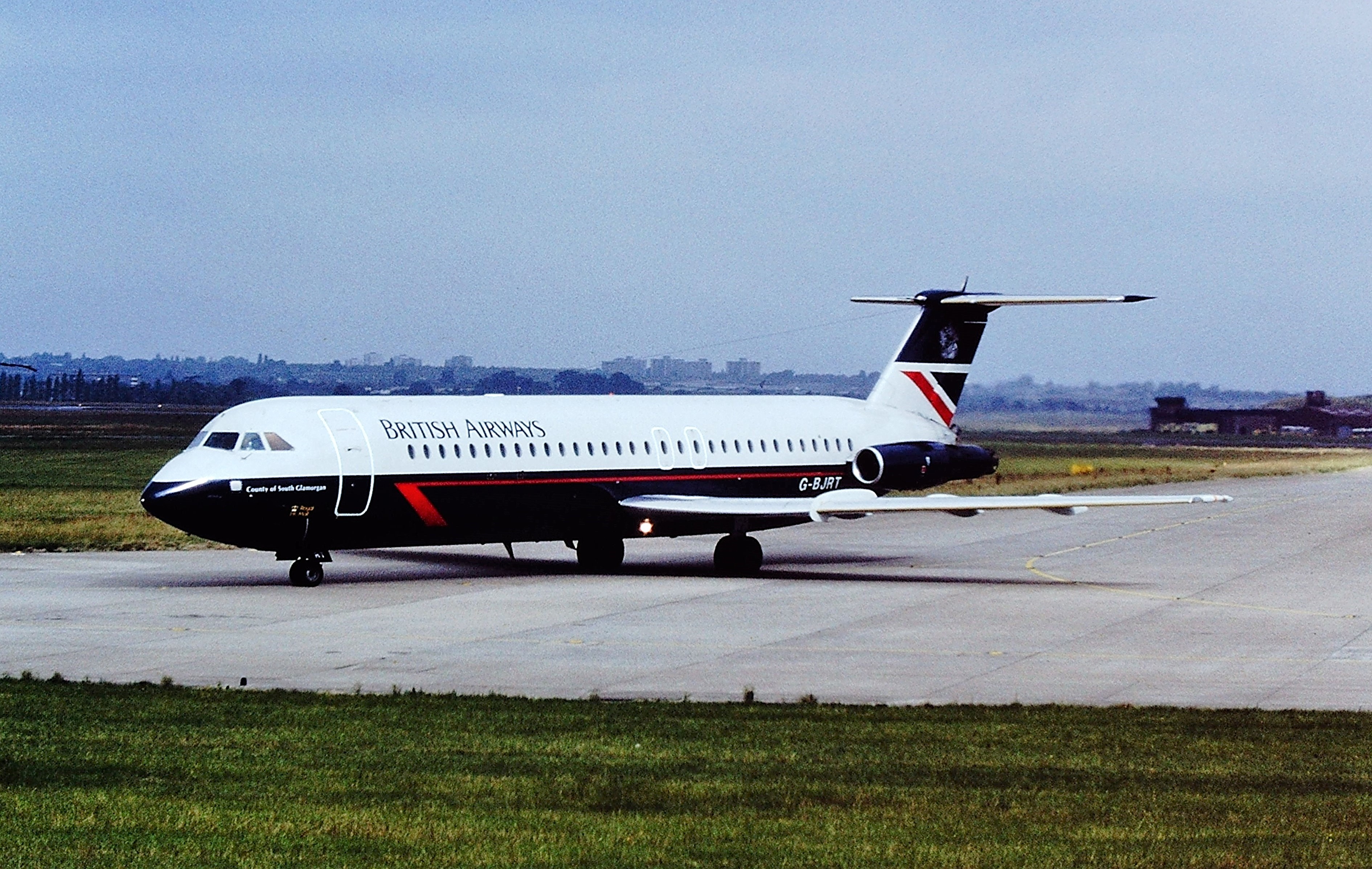
A Ryanair flight from Thessaloniki, Greece, to Memmingen, Germany, made an emergency landing on Friday, July 10th, after a window broke, partially sucking a passenger outside the aircraft. The passenger, who was reportedly secured by his seatbelt, received medical attention after the incident. The cause of the window failure is believed to be a detached engine part striking it, according to European press reports. This rare event echoes a similar, more severe incident on June 10, 1990, involving British Airways Flight 5390. During that flight, the captain, Timothy Lancaster, was partially ejected from the cockpit and held only by his legs for approximately 20 minutes, exposed to extreme cold and wind. The windshield had detached due to improperly installed bolts during maintenance. Lancaster survived with fractures and cold burns, while a flight attendant who helped secure him suffered a dislocated shoulder and PTSD. The BAC 1-11 aircraft landed safely in Southampton, UK, 22 minutes after the windshield failure. Unlike the Ryanair and British Airways incidents, a 2005 Helios Airways Flight 522 experienced a cabin decompression that led to the unconsciousness of all passengers and crew, resulting in a crash into mountains in Greece.
The Ryanair incident highlights the critical importance of rigorous maintenance protocols and the potential cascading failures that can arise from even minor deviations in procedure. The comparison to the British Airways Flight 5390 case underscores that while such events are rare, the consequences of structural integrity failures in aviation can be catastrophic. Analyzing the root cause, the improper installation of bolts in the 1990 incident points to systemic issues in quality control and oversight within maintenance operations. In the modern era, with increasing automation and data analytics, there is an opportunity to enhance predictive maintenance and real-time monitoring of aircraft structural health, potentially mitigating risks associated with human error and material fatigue. The long-term impact on passenger and crew confidence, as well as the regulatory scrutiny that will follow, will shape future safety standards and operational procedures in commercial aviation.
AI-generated to prompt reflection — not editorial opinion, not advice, not a statement of fact. How this works.