Ryanair Profits Decline Amidst Geopolitical Tensions and Rising Fuel Prices
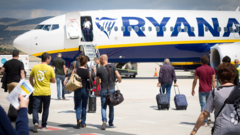
Irish airline Ryanair has reported a drop in profits, attributing the decline to the impact of the Iran war and escalating fuel costs. The conflict in the Middle East has deterred passengers, leading to reduced demand for air travel. Simultaneously, the price of oil has surged, with Brent crude surpassing the $90 per barrel mark. This dual pressure of decreased passenger numbers and increased operational expenses has significantly affected the company's financial performance. Ryanair's announcement highlights the vulnerability of the aviation industry to global geopolitical events and commodity price fluctuations. The airline's profitability is directly linked to passenger confidence and the cost of jet fuel, both of which have been negatively impacted in recent times. The situation underscores the complex economic environment in which airlines operate, requiring careful management of costs and strategic responses to market volatility.
Geopolitical instability, such as the Iran war, introduces significant uncertainty into the global travel market, directly impacting airline passenger demand. Concurrently, rising crude oil prices, a key input cost for airlines, exert substantial pressure on operating margins. This confluence of factors creates a challenging environment for carriers like Ryanair, necessitating robust risk management strategies. Airlines must balance capacity with fluctuating demand while navigating volatile fuel markets, potentially through hedging or fuel-efficient fleet investments. The industry's future resilience will depend on its ability to adapt to these systemic risks and maintain operational efficiency in the face of external shocks.
AI-generated to prompt reflection — not editorial opinion, not advice, not a statement of fact. How this works.