S-400s, F-35s, and Shifting Geopolitical Balances
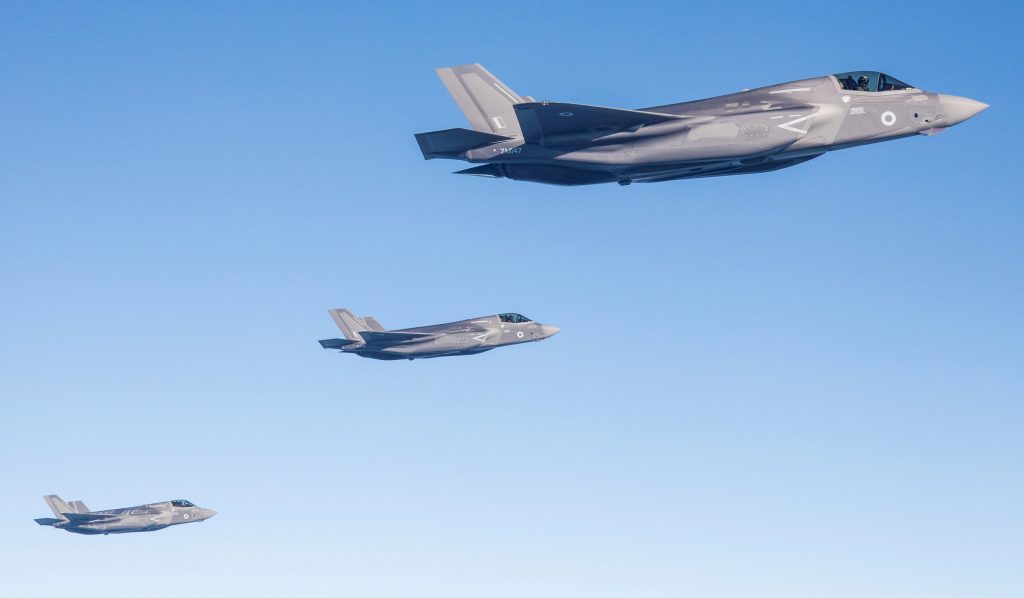
Kremlin spokesperson Dmitry Peskov has stated that Moscow is in continuous contact with Ankara regarding the future of Russian S-400 missile systems. These remarks have reignited discussions concerning an issue that significantly impacts Turkish-American relations and the strategic equilibrium in the Eastern Mediterranean. Scenarios involving the potential transfer of these S-400 systems to a third country are introducing new complexities into the geopolitical landscape. The ongoing dialogue between Russia and Turkey on this matter suggests a persistent effort by Moscow to maintain influence and manage the implications of Turkey's defense procurements. The United States has previously expressed strong objections to Turkey's acquisition of the S-400 systems, citing concerns over interoperability with NATO assets and potential security risks. This situation has been a major point of contention, leading to sanctions and the suspension of Turkey's participation in the F-35 fighter jet program. The possibility of the S-400s being moved elsewhere could alter regional military dynamics and potentially create new avenues for diplomatic engagement or friction. The strategic implications extend beyond bilateral ties, affecting the broader security architecture in a volatile region. Turkey's decisions on the S-400s will continue to be closely monitored by regional and international actors.
The ongoing dialogue between Russia and Turkey concerning the S-400 missile systems highlights the complex interplay of national security interests, geopolitical alliances, and defense industrial relationships. Turkey's procurement of advanced Russian air defense technology, despite U.S. and NATO objections, underscores a strategic autonomy pursued by Ankara. The potential transfer of these systems to a third country introduces variables that could reshape regional power dynamics, impacting both the credibility of Western security guarantees and Russia's leverage in its neighborhood. This situation prompts consideration of how differing national objectives and evolving threat perceptions can lead to strategic divergence within alliances, and how such divergences may be managed or exploited in the coming decade. The long-term implications for NATO cohesion and the Eastern Mediterranean's security architecture warrant careful observation as technological dependencies and geopolitical realignments continue to evolve.
AI-generated to prompt reflection — not editorial opinion, not advice, not a statement of fact. How this works.