Söder Defends Merz Amidst Cabinet Reshuffle Delays
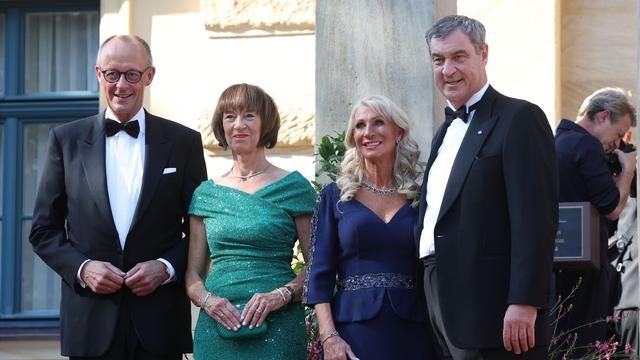
Markus Söder, the Minister-President of Bavaria, stated in a ZDF summer interview that the prolonged uncertainty surrounding a potential cabinet reshuffling by CDU leader Friedrich Merz was not Merz's fault. Söder emphasized that such decisions are complex and often involve multiple stakeholders and considerations. He suggested that the delay was a natural part of a thorough decision-making process, rather than an indication of indecision or error on Merz's part. The interview focused on political strategy and leadership within the opposition party. Söder's comments aimed to provide a defense of Merz's handling of the situation, projecting an image of calm deliberation. The discussion touched upon the challenges of political leadership during periods of transition and the expectations placed upon party leaders. Söder's remarks were interpreted as an effort to bolster Merz's standing within the party and among the public.
The political maneuvering surrounding cabinet appointments and reshuffles often reflects complex internal party dynamics and the strategic considerations of leadership. Delays in such processes can be attributed to various factors, including the need for consensus-building, the evaluation of potential candidates, and the broader political climate. From a governance perspective, extended periods of uncertainty can impact a party's public image and its ability to present a unified front. The framing of these delays as either a strategic pause or a sign of indecision is a common narrative in political discourse, highlighting the tension between decisive action and thorough deliberation. Future leadership effectiveness will likely depend on navigating these inherent trade-offs transparently and efficiently, particularly in an era where public scrutiny of political processes is heightened.
AI-generated to prompt reflection — not editorial opinion, not advice, not a statement of fact. How this works.