Söder Proposes Unified Candidate for CDU/CSU Parliamentary Group Leader Post-Spahn
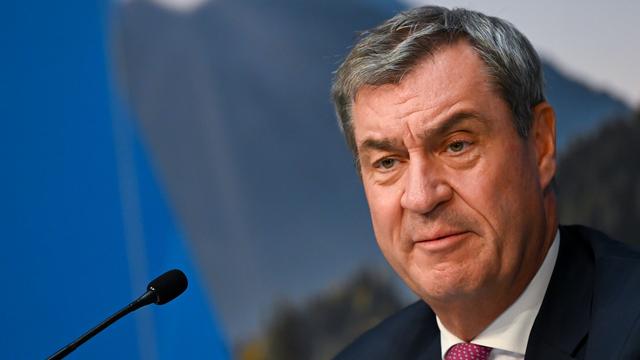
Following the resignation of Jens Spahn from his position, Markus Söder has called for a unified proposal for the leadership of the CDU/CSU parliamentary group in the Bundestag. Söder emphasized the importance of presenting a single candidate to ensure the party's strength and cohesion. The move comes as the Christian Democratic Union (CDU) and the Christian Social Union (CSU) navigate internal discussions about future leadership roles. Söder's statement suggests a desire to avoid a contested election for the influential parliamentary group leadership. The specific candidates or the timeline for this unified proposal were not detailed in the initial statement. This development is significant as it impacts the internal power dynamics and strategic direction of the Union parties. The resignation of Spahn has opened up a key position, prompting these discussions within the coalition. The goal appears to be a swift and decisive resolution to maintain party unity. Further details are expected as the CDU/CSU leadership deliberates on Söder's proposal.
The call for a unified proposal for the CDU/CSU parliamentary group leadership reflects a strategic effort to consolidate power and present a cohesive front amid potential internal divisions. This approach aims to mitigate the risks associated with open competition, which could expose differing factions and potentially weaken the party's negotiating position. By seeking consensus, Söder signals a prioritization of party stability and a unified message to external stakeholders. The effectiveness of this strategy will depend on the ability of party leaders to reconcile diverse interests and present a candidate broadly acceptable to the parliamentary group. This dynamic is characteristic of established political parties seeking to maintain relevance and influence in a shifting political landscape, balancing internal party democracy with the imperative of presenting a strong, unified public image.
AI-generated to prompt reflection — not editorial opinion, not advice, not a statement of fact. How this works.