S. Janaki, South India's 'Nightingale' and prolific singer, dies at 88
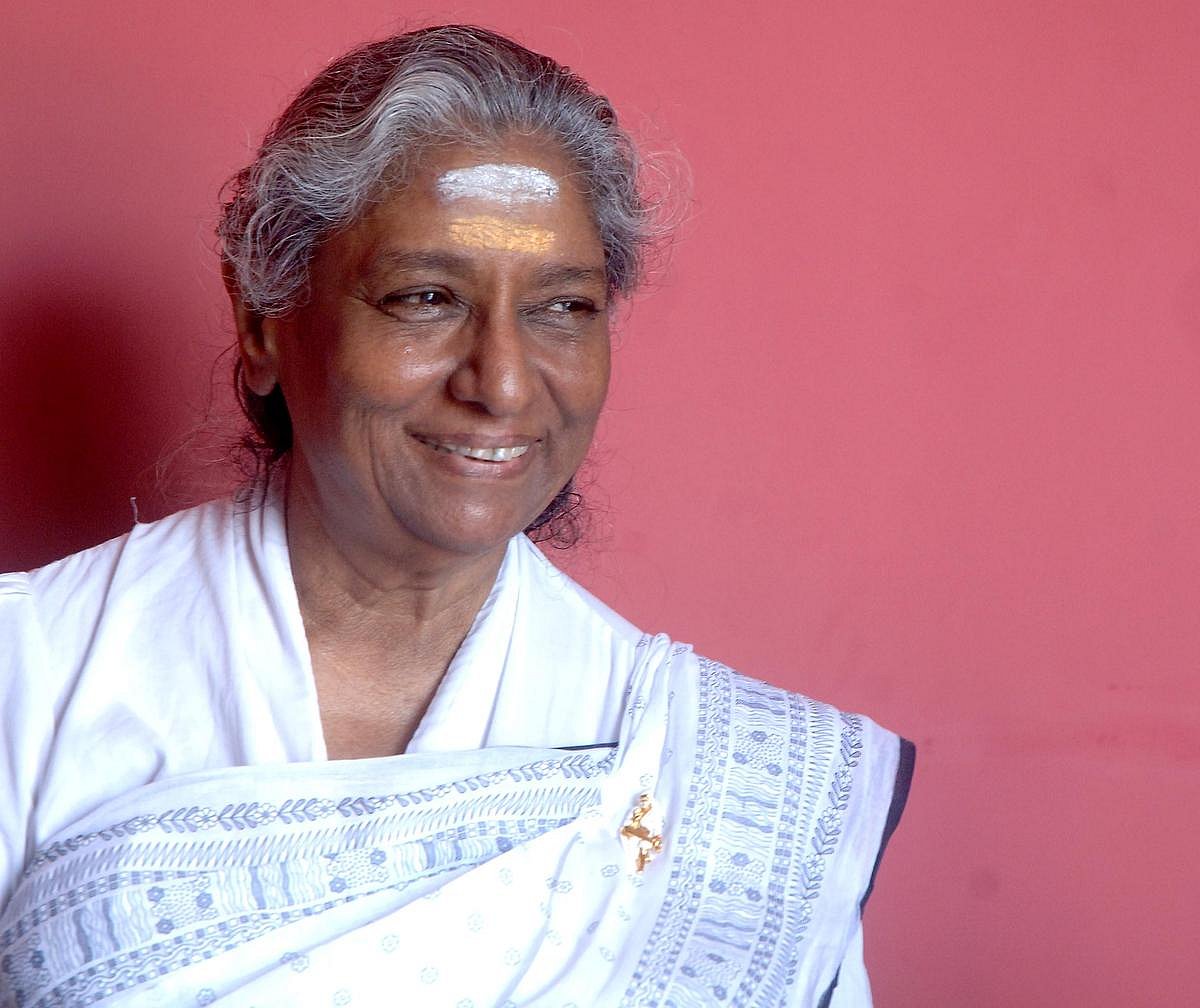
Legendary South Indian playback singer S. Janaki, widely known as the 'Nightingale of South India,' passed away on Saturday at the age of 88 in Mysuru, Karnataka. She had been undergoing treatment for various age-related health complications at a hospital, where she was admitted to the intensive care unit (ICU). Janaki suffered a cardiac arrest during her treatment, and despite resuscitation efforts, she was pronounced dead at 7:30 PM.
Her granddaughter, Apsara Vaidyula, shared on Instagram that Janaki passed away peacefully in the presence of family, expressing gratitude for the joy her music brought to millions. Janaki began her career as a playback singer in 1957 and, over a career spanning more than six decades, recorded approximately 48,000 songs in over 20 Indian languages. Her immense contribution to music was recognized with four National Film Awards and 33 state film awards across various languages. She also received the Karnataka Rajyotsava Award and an honorary doctorate from the University of Mysore.
Notably, Janaki declined the Padma Bhushan award in 2013, stating it was too late in her long career and that she deserved India's highest civilian honor, the Bharat Ratna. Her passing has been mourned by prominent figures, including Indian Prime Minister Narendra Modi, actors Rajinikanth and Kamal Haasan, and Tamil Nadu Chief Minister Thalapathy Vijay, along with numerous other stars from India's film and music industries.
The passing of S. Janaki marks the end of an era for South Indian music, highlighting the longevity and prolific output of artists in the region. Her career, spanning over six decades and encompassing tens of thousands of recordings, underscores the deep cultural integration of music within Indian cinema and society. Janaki's posthumous recognition of her desire for the Bharat Ratna, a sentiment she expressed during her lifetime by declining the Padma Bhushan, points to evolving perspectives on artistic recognition and national honors. This situation invites reflection on how cultural contributions are valued and acknowledged over time, and the systemic mechanisms for recognizing enduring artistic legacies within national frameworks. The widespread tributes from political and cultural leaders suggest her work resonated across diverse demographics, a testament to the unifying power of music in a diverse nation.
AI-generated to prompt reflection — not editorial opinion, not advice, not a statement of fact. How this works.