São Caetano restricts free bus rides to residents, charges R$5 for outsiders
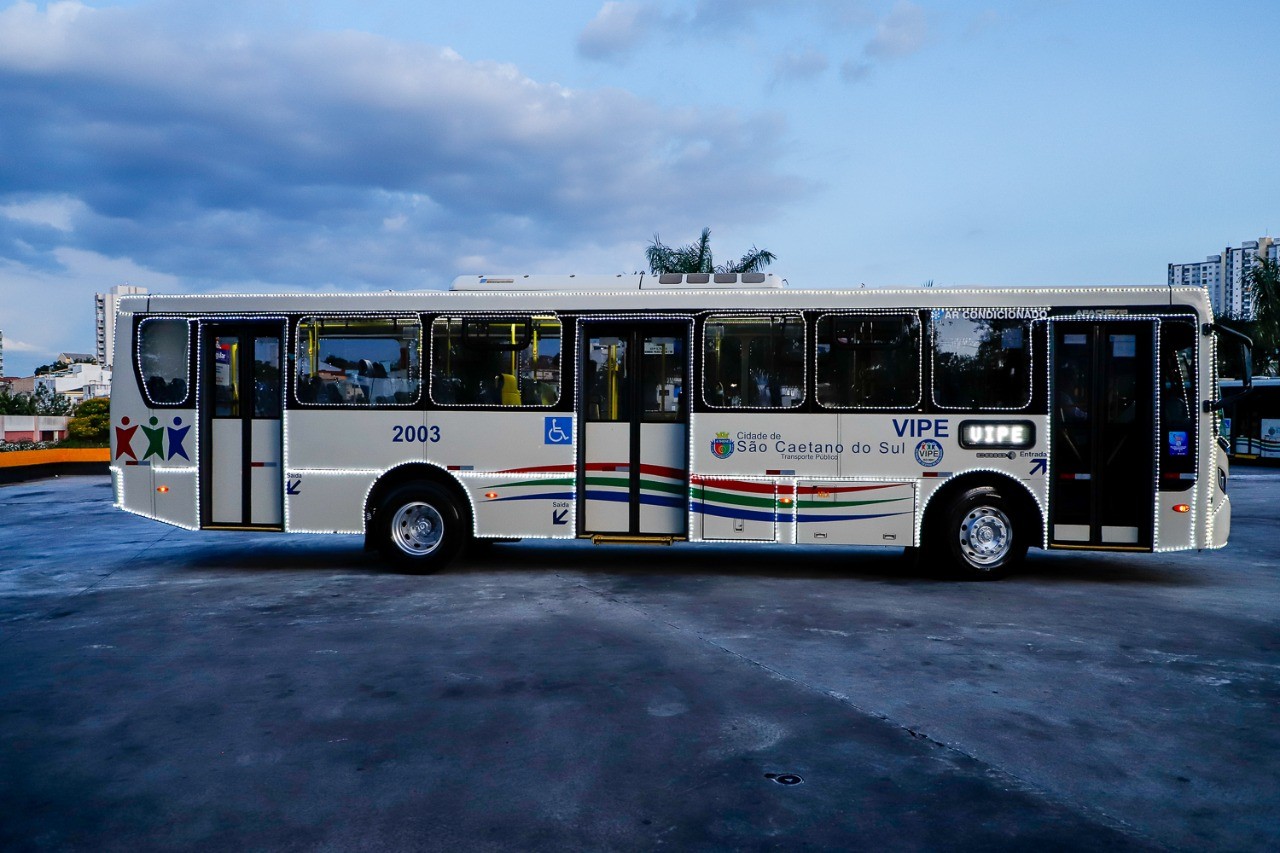
São Caetano do Sul, a city in the Greater São Paulo region, has implemented a new policy restricting its "Tarifa Zero" (zero fare) bus service exclusively to city residents, effective Wednesday, May 15th. Passengers from other municipalities will now be required to pay R$5 for a bus ticket. The municipal government stated that all approved registrations are available on the Sanca Gov platform and communicated via email. Those whose applications were approved but have not yet received their transit cards can still board for free by showing proof of approval or a screenshot along with a photo ID. Inquiries can be addressed in person at Atende Fácil.
The zero-fare policy will continue to be available for registered São Caetano residents, seniors aged 60 and above, public healthcare patients undergoing cancer treatment, municipal public servants, students enrolled in specific local educational institutions (USCS, Fundação das Artes, Sesi, Senai, Etec, Fatec, Instituto Mauá de Tecnologia, and Faculdade Paulista de Serviço Social), and national, state, or municipal public security professionals, including members of the Tiro de Guerra when in uniform and on duty. The city administration cited an unexpected surge in demand as the reason for this change. While the previous administration estimated a 50% increase in passenger numbers after the zero-fare policy began on November 1, 2023, daily ridership actually quadrupled from 20,000 to 80,000. Mayor Tite Campanella noted that this increased demand led to service degradation, with overcrowded buses and user complaints. The restriction aims to improve service for residents and ensure the program's financial sustainability, with an estimated annual saving of R$15 million by no longer subsidizing non-resident travel. Approximately 50% of the system's users are from outside São Caetano.
The implementation of a fare-free public transportation system, initially intended to benefit all users, has encountered significant financial and operational challenges due to demand exceeding projections by a substantial margin. The policy's adjustment to prioritize residents addresses immediate fiscal pressures and service quality concerns for the local populace. This situation highlights a common tension in public service provision: balancing universal access and equity with fiscal responsibility and operational sustainability. Future policy design might consider tiered subsidy models or demand-management strategies to mitigate such outcomes, ensuring long-term viability while still promoting public transit's societal benefits. The shift underscores the importance of robust ridership forecasting and adaptive governance in public infrastructure projects, particularly as urban mobility systems face evolving demographic and economic landscapes.
AI-generated to prompt reflection — not editorial opinion, not advice, not a statement of fact. How this works.