São Carlos Faces Job Shortage Despite 800 Open Positions Due to Skills Gap
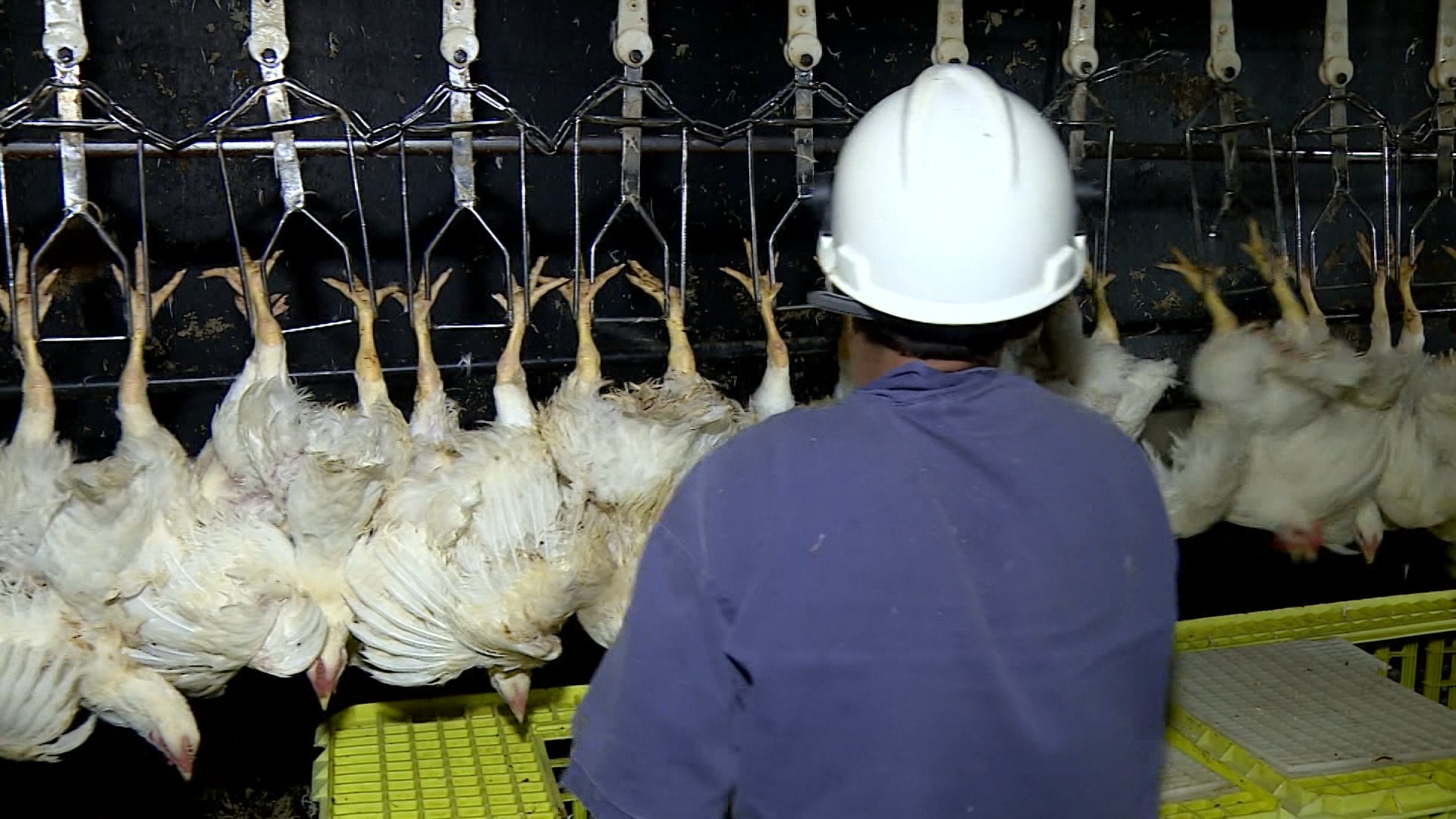
São Carlos, a city in São Paulo state, Brazil, is experiencing an unusual labor market situation with approximately 800 job openings, yet struggling to fill them due to a significant lack of qualified candidates. This skills gap is hindering the hiring process for numerous companies. Monica Scienza, a student seeking employment, highlighted the difficulty, considering vocational courses offered by the local "Casa do Trabalhador" (Worker's House) as a potential solution. Meanwhile, businesses, such as those in the poultry sector, are facing a shortage of skilled labor. Adalto Granja Junior, a production supervisor, reported 300 open positions in his company alone, despite efforts to recruit from surrounding regions like Araraquara and Américo Brasiliense. He emphasized the company's efforts in humanized management and training new hires, acknowledging that filling these roles requires a mutual effort. Data from the first half of the year shows that out of over 2,000 positions posted by the "Casa do Trabalhador," only 667 resulted in actual hires, indicating a fill rate of just 31%. Paula Knoff, Secretary of Economic Development, stressed the need to align job seekers' interests with available opportunities, noting that while many roles require only basic or secondary education, candidate qualification remains a critical factor in selection. The city offers qualification courses through the "Casa do Trabalhador," with information available on the São Carlos City Hall website.
The situation in São Carlos illustrates a common modern economic paradox: abundant job vacancies coexisting with high unemployment or underemployment. This disconnect often stems from a mismatch between the skills demanded by employers and those possessed by the available workforce. While vocational training programs and educational initiatives aim to bridge this gap, their effectiveness is contingent on several factors, including accessibility, relevance to current market needs, and the willingness of individuals to invest time and resources in acquiring new competencies. The long-term implications for São Carlos and similar regions involve potential impacts on economic growth, business competitiveness, and social equity. Addressing this challenge requires a multi-faceted approach involving collaboration between educational institutions, government agencies, and the private sector to forecast future skill needs and develop agile training pipelines that can adapt to evolving industry demands.
AI-generated to prompt reflection — not editorial opinion, not advice, not a statement of fact. How this works.