São João da Varjota: Cultural Heritage from Stone Fences to Clay Art
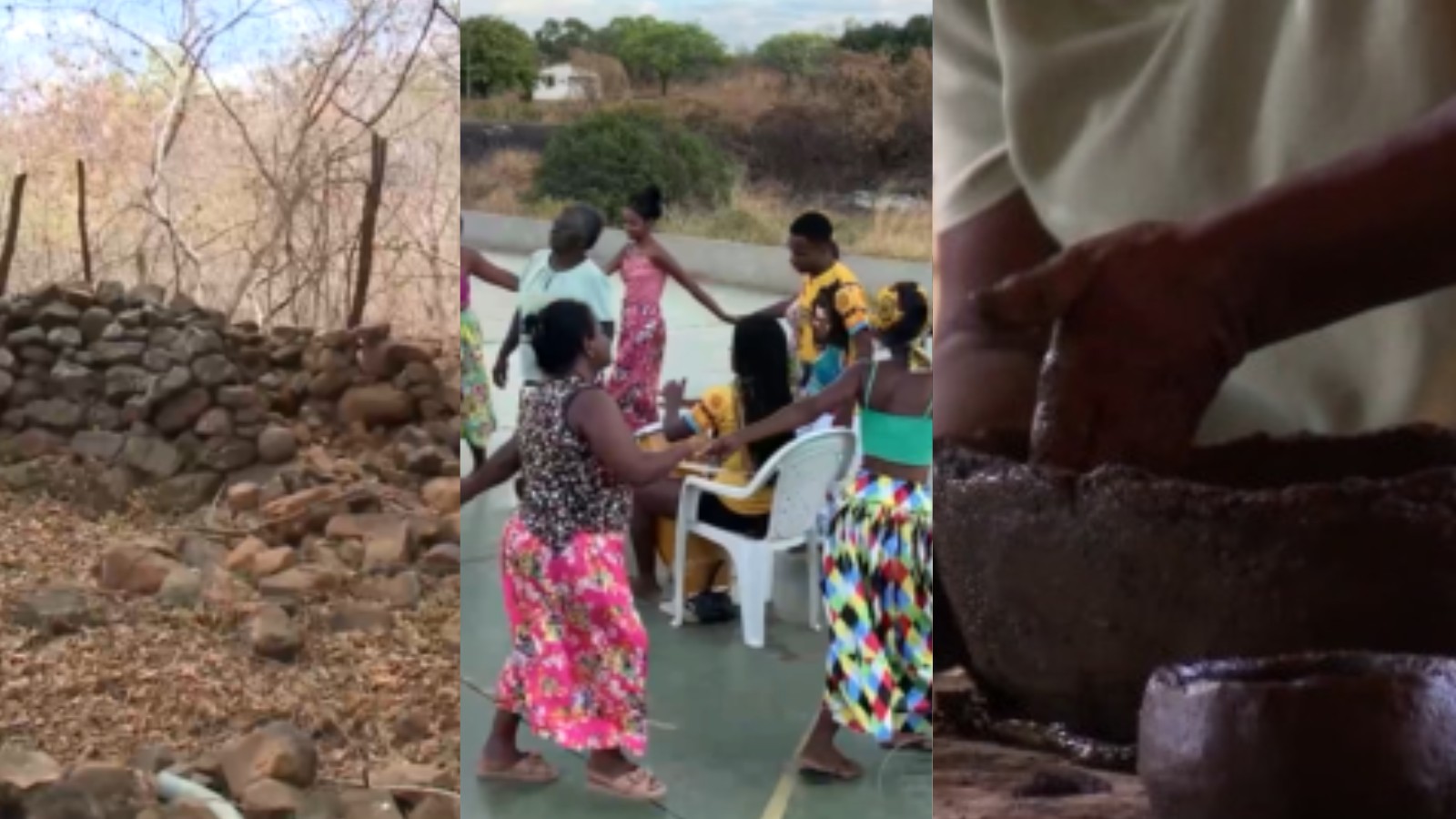
The municipality of São João da Varjota, located approximately 290 kilometers from Teresina in Piauí, Brazil, was recently featured on the program Piauí de Riquezas. With a population of just over 4,500, the town's report highlighted its history, cultural traditions, and ancestry. The city's origins trace back to the expansion of Fazenda Varjota, established by Colonel Agostinho Barbosa. According to historian Breno Barbosa, the name combines devotion to Saint John the Baptist, the local patron saint, with the name of the rural property, which means 'place where the ox drinks water'.
The report showcased the distinctive stone fences that define the rural landscape and are integral to the town's identity, serving to delineate property boundaries. A significant cultural highlight is the quilombola community of Potes, officially recognized as a quilombola territory. This community is renowned for its traditional production of artisanal clay crafts, including pots, pans, and cups. The ancestral knowledge of pottery making is passed down through generations, with current artisans teaching their children.
Artesans like Maria Raimunda Sousa express pride in their work, emphasizing its crucial role in supporting their families and meeting daily needs, from purchasing food and medicine to paying debts. The process begins with the local extraction of clay. The full program, featuring these and other stories from São João da Varjota, is available on Globoplay.
The feature on São João da Varjota highlights the preservation of cultural heritage through traditional crafts and historical landmarks. The community's reliance on artisanal pottery for economic sustenance underscores the importance of supporting such initiatives to maintain cultural identity and local economies. As AI technologies advance, there's a growing societal appreciation for tangible cultural expressions and the human skills involved in their creation. This event prompts reflection on how to integrate traditional livelihoods with modern economic development, ensuring that cultural practices are not only preserved but also provide sustainable opportunities for future generations, potentially through digital archiving, e-commerce platforms, or heritage tourism.
AI-generated to prompt reflection — not editorial opinion, not advice, not a statement of fact. How this works.