São José do Rio Preto Company Loses R$15,650 in Sophisticated Bank Manager Scam
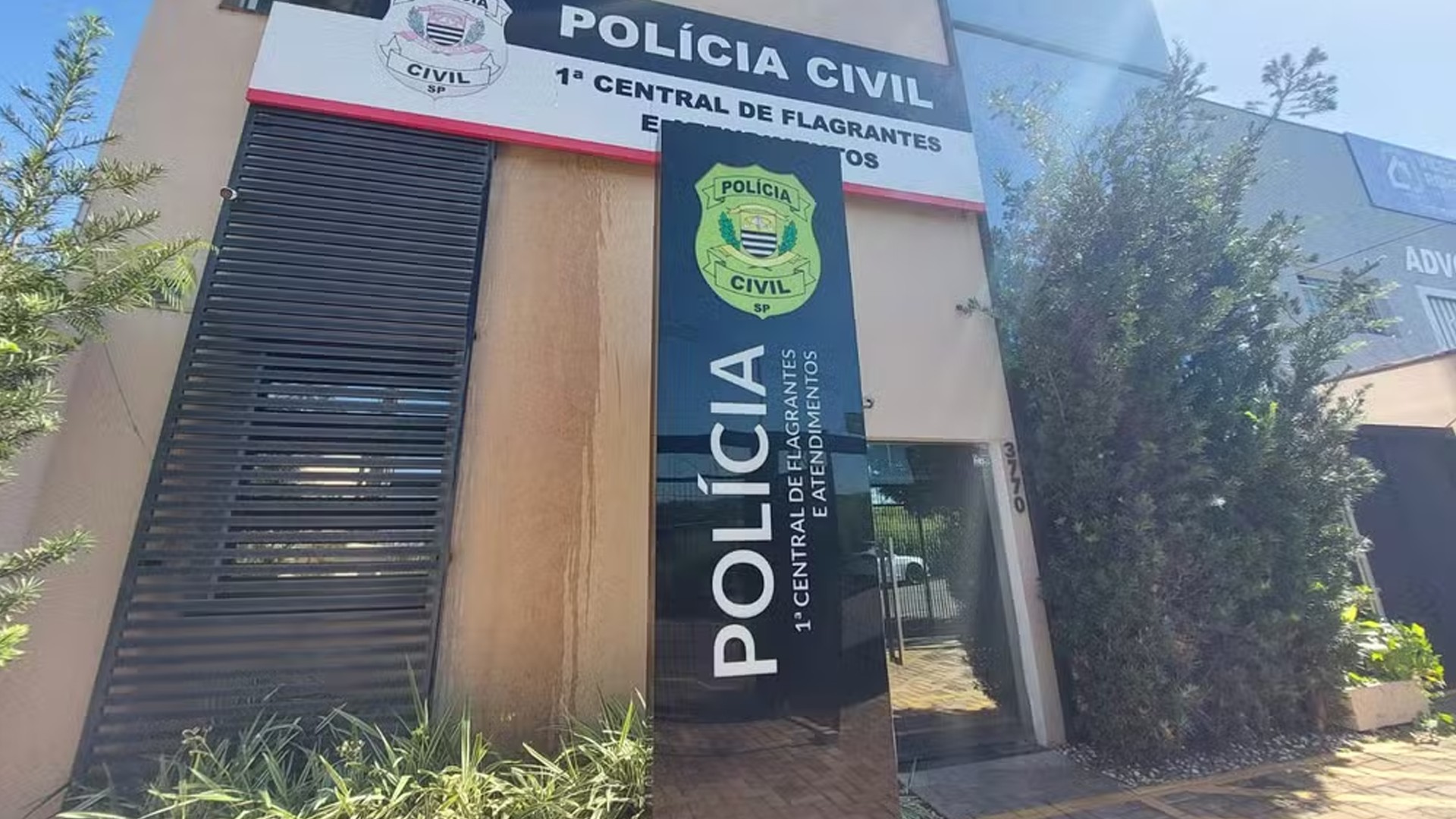
A company based in São José do Rio Preto, São Paulo, has reported a significant financial loss of R$15,650 due to a scam where a fraudster impersonated a bank manager. The incident, now under investigation by the Civil Police, involved unauthorized financial transactions from the company's account. The company's representative received a call from an individual claiming to be the manager of their corporate bank account. The scammer stated there was an outstanding issue requiring immediate attention and requested to speak directly with the company's finance department. The representative, believing the call to be legitimate, provided the contact information for the finance team. The fraudster's apparent knowledge of the company's registration details and banking information, including account numbers and the representative's private phone number, lent credibility to the deception. Subsequently, it was discovered that R$15,650 had been transferred from the company's bank account to an unknown individual. The company representative also mentioned receiving links for a supposed bank account update, but believes the perpetrator likely gained unauthorized access to the system or equipment used for account management, as no direct passwords or credentials were provided to the fake manager. The company did not initially suspect fraud because it is common for bank managers to communicate with the company via messaging apps. The case has been registered as qualified fraud by electronic means and forwarded to the relevant police district for further investigation.
This incident highlights the evolving sophistication of financial fraud, leveraging social engineering tactics that exploit established communication norms between businesses and financial institutions. The scammer's success was predicated on mimicking legitimate business interactions and possessing specific company data, suggesting potential vulnerabilities in information security or data leakage. The company's trust was eroded by the perpetrator's apparent familiarity with their operations, underscoring the critical need for robust, multi-factor authentication protocols and stringent internal verification procedures that go beyond mere caller identification or common communication channels. Future strategies for businesses must incorporate continuous employee training on identifying and reporting suspicious communications, alongside technological safeguards that can detect anomalous transaction patterns and prevent unauthorized access, thereby mitigating risks in an increasingly digital financial landscape.
AI-generated to prompt reflection — not editorial opinion, not advice, not a statement of fact. How this works.