São José do Rio Preto Hospital Acquires Advanced Artificial Lung-Heart Machine
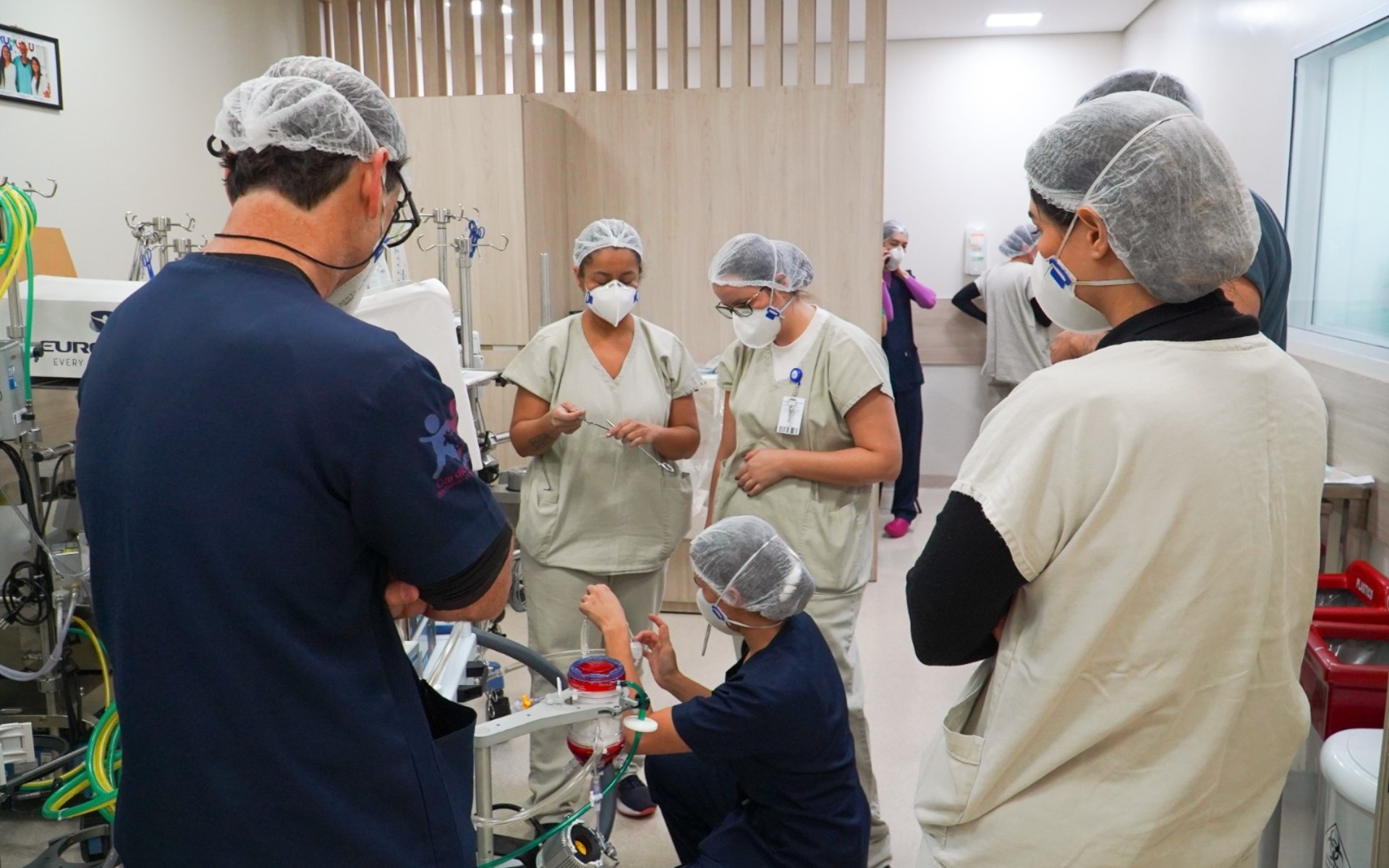
The Hospital da Criança e Maternidade (HCM) in São José do Rio Preto, São Paulo, has implemented Extracorporeal Membrane Oxygenation (ECMO), a sophisticated technology that functions as an artificial lung and heart outside the patient's body. The hospital invested approximately R$ 1 million to acquire the two ECMO machines. Funding for this service was bolstered by donations from the sertanejo music duo Zé Neto & Cristiano and singer Panda, alongside proceeds from philanthropic events. This acquisition positions HCM as the sole provider of pediatric ECMO in its region.
Arthur Henrique Morais, an 11-year-old boy, was the first patient to benefit from this new technology. He underwent a tracheal reconstruction surgery on May 28th after sustaining a severe tracheal injury from polytrauma. The ECMO machine acted as an artificial lung, allowing his own organ to remain completely at rest during the complex procedure, thereby minimizing the risk of complications that could arise from repeated ventilation interruptions. The boy's father, Valdeir de Morais, expressed gratitude for his son's recovery with minimal sequelae, attributing it to the capabilities of the ECMO machine.
The operational costs for pediatric ECMO are substantial, with each disposable supply kit costing R$ 68,000 per patient. HCM's technical director, Otávio Domingues Prado Franco, emphasized that this advanced technology, previously concentrated in the capital, will now enhance surgical safety and provide modern healthcare to the region, reinforcing the hospital's role as a reference center.
The introduction of ECMO technology at HCM signifies a critical advancement in pediatric critical care for the region, democratizing access to life-saving interventions previously limited to major urban centers. The reliance on philanthropic donations, including significant contributions from well-known artists, highlights a common funding model for advanced medical equipment in Brazil, revealing potential systemic dependencies and the impact of celebrity endorsements on public health infrastructure. While this innovation promises enhanced surgical safety and improved patient outcomes, the high operational cost of disposable kits presents a long-term financial challenge. Future sustainability will likely depend on continued public-private partnerships, government healthcare allocations, and potentially innovative cost-management strategies to ensure this vital technology remains accessible and effective over the next decade, especially as AI integration in medical diagnostics and treatment planning continues to evolve.
AI-generated to prompt reflection — not editorial opinion, not advice, not a statement of fact. How this works.