São José dos Campos and Taubaté City Councils Resume Sessions After Recess
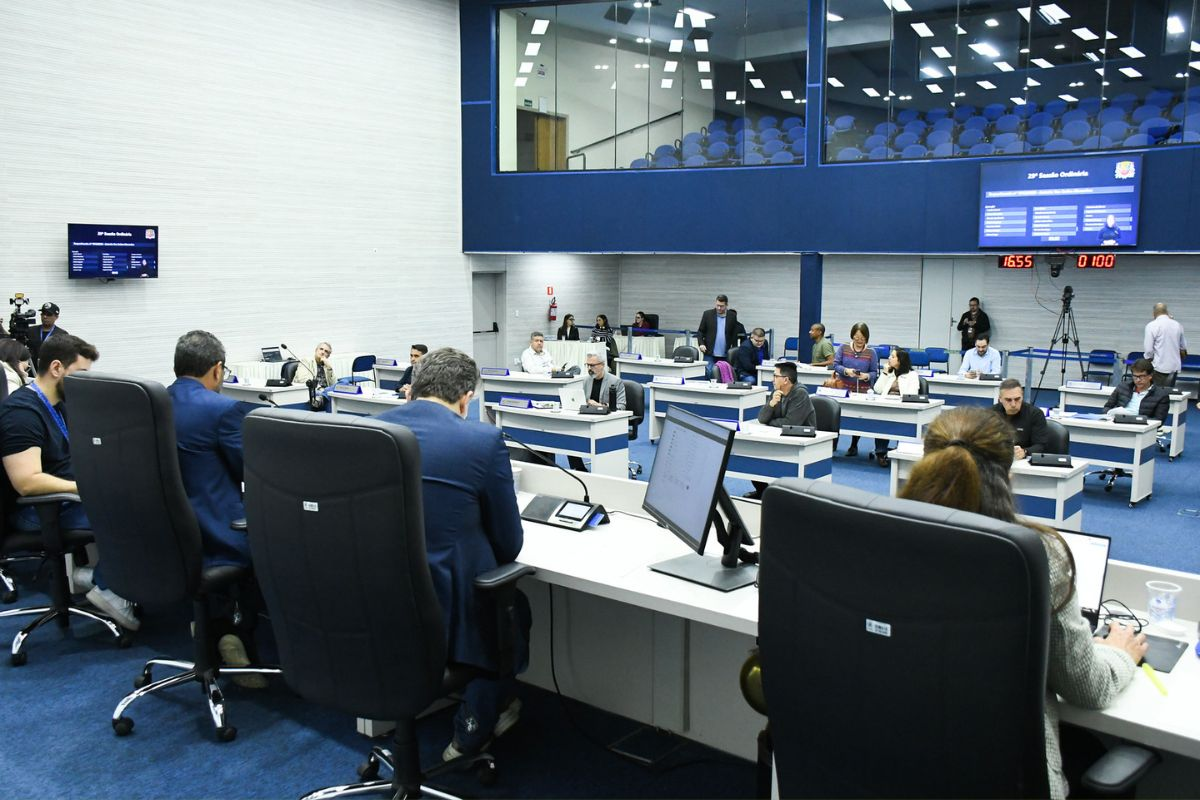
The Municipal Chambers of São José dos Campos and Taubaté in Brazil are resuming their ordinary sessions on Tuesday, August 4th, following a parliamentary recess. In São José dos Campos, legislative work will recommence at 4 PM, focusing on the voting of requests and indications. In Taubaté, the session is scheduled for 2 PM and will address five projects related to health, environment, culture, education, and tributes.
In São José dos Campos, Tuesdays are dedicated to requests and indications, while Thursdays are for discussing and voting on projects, with agendas finalized three hours prior to each session. However, the election of the new Presiding Board in São José dos Campos remains without a set date, as the Chamber accepted a judicial injunction suspending the extraordinary session called for this purpose and did not appeal the decision.
Taubaté's agenda includes a proposal by councilwoman Zelinda Pastora creating a Municipal Policy for Integral Care of Postpartum Women, offering psychological support and postpartum depression prevention. Councilman Professor Edson's proposal to recognize Municipal Work Schools as intangible cultural heritage will also be debated. Environmental initiatives include a complementary law project by Nunes Coelho to use digital evidence for illegal waste disposal violations. Additionally, Luiz Henrique Neneca's project to establish an annual Rock Day on July 13th and Boanerge dos Santos' proposal to name a street after community leader Benedito Pires de Mauro Filho are on the agenda.
The resumption of legislative sessions in São José dos Campos and Taubaté marks a return to routine governance following a recess. The varied project agendas in Taubaté, spanning public health, cultural heritage, environmental enforcement, and community recognition, reflect diverse local priorities. The ongoing judicial uncertainty regarding the Presiding Board election in São José dos Campos highlights potential internal governance challenges or political disputes that could impact legislative efficiency. As these municipalities navigate their agendas, the effectiveness of their decision-making processes and the equitable distribution of resources will be key indicators of their commitment to public service in the coming year.
AI-generated to prompt reflection — not editorial opinion, not advice, not a statement of fact. How this works.
