São José dos Campos City Council Election Suspended by Court
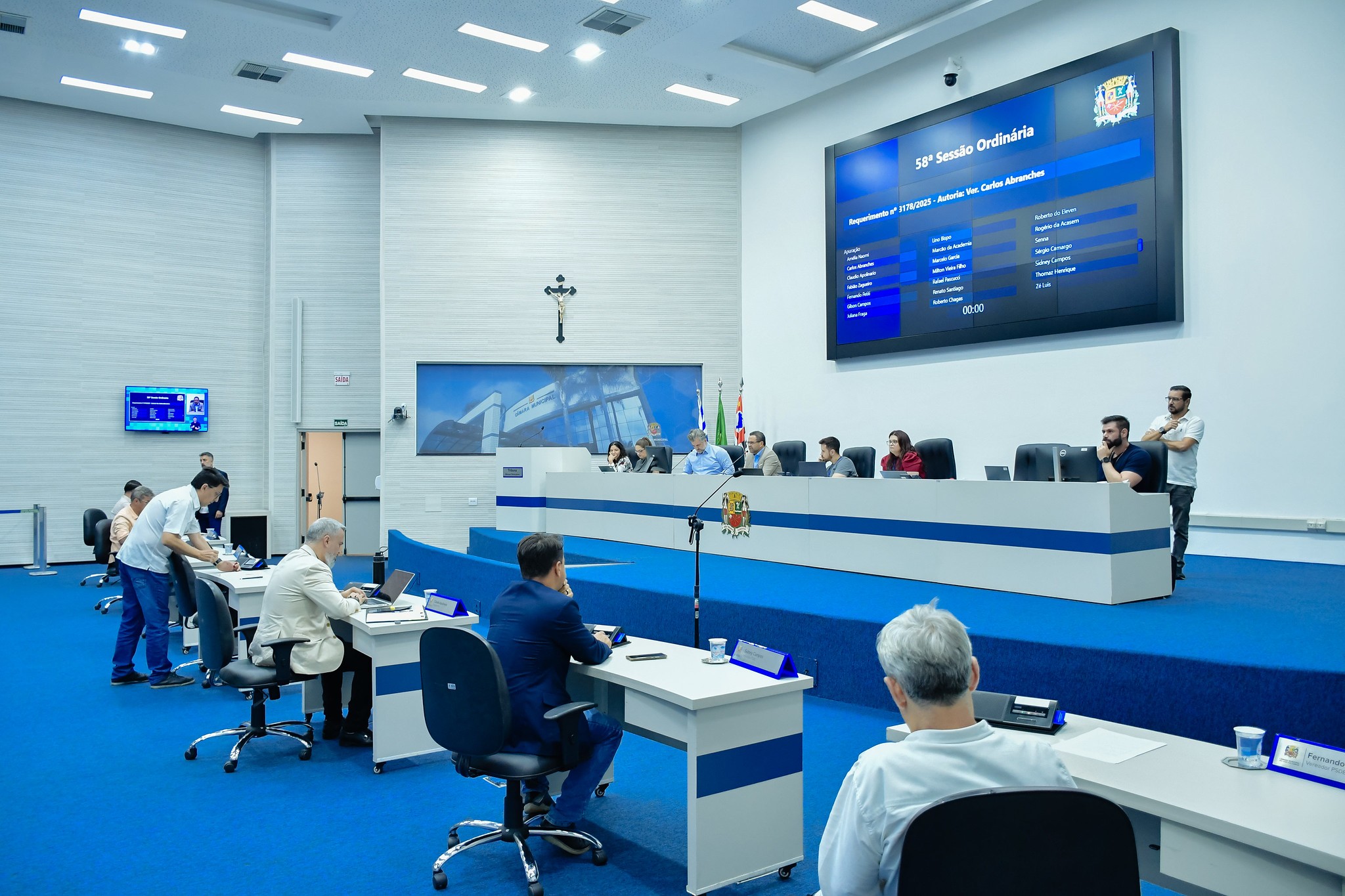
The São Paulo Court of Justice (TJ-SP) has upheld the suspension of the election for the Board of Directors of the Municipal Chamber of São José dos Campos, which was scheduled for July 1st. This election was for the 2027/2028 biennium. In his decision on Tuesday, July 7th, appellate judge Fermino Magnani Filho reinforced the initial ruling, stating that holding the election before a judicial review of the dispute could lead to institutional instability and the potential need to later nullify the act. The City Council respects the court's decision and is currently evaluating whether to appeal. The initial suspension occurred in late June, when Judge Naira Blanco Machado of the 1st Public Treasury Court indicated that the election appeared to have been scheduled too far in advance. This ruling cited Supreme Federal Court (STF) precedents suggesting that Board of Directors elections should occur from October of the year preceding the start of the term. The court's preliminary assessment found that the planned vote, approximately six months before the biennium's start, might violate constitutional principles like power alternation and electoral contemporaneity. The initial decision also prohibited the Chamber from holding a new election for the second biennium before October 2026.
The judicial suspension of the São José dos Campos City Council's Board of Directors election highlights a tension between legislative autonomy and adherence to established legal and constitutional principles regarding electoral timing. The court's intervention, based on concerns of excessive advance scheduling and potential institutional instability, suggests a need for greater alignment between local legislative practices and higher judicial interpretations of electoral fairness and the principle of contemporaneity. This situation underscores the importance of robust governance frameworks within municipal bodies to ensure that electoral processes are conducted in a manner that upholds democratic norms and avoids procedural challenges. Looking ahead, such judicial scrutiny may encourage a review of internal electoral calendars across various legislative bodies to preemptively address potential conflicts with constitutional mandates, thereby fostering more predictable and legally sound governance.
AI-generated to prompt reflection — not editorial opinion, not advice, not a statement of fact. How this works.