São José dos Campos' Education 5.0 Model Recognized Nationally for Innovation
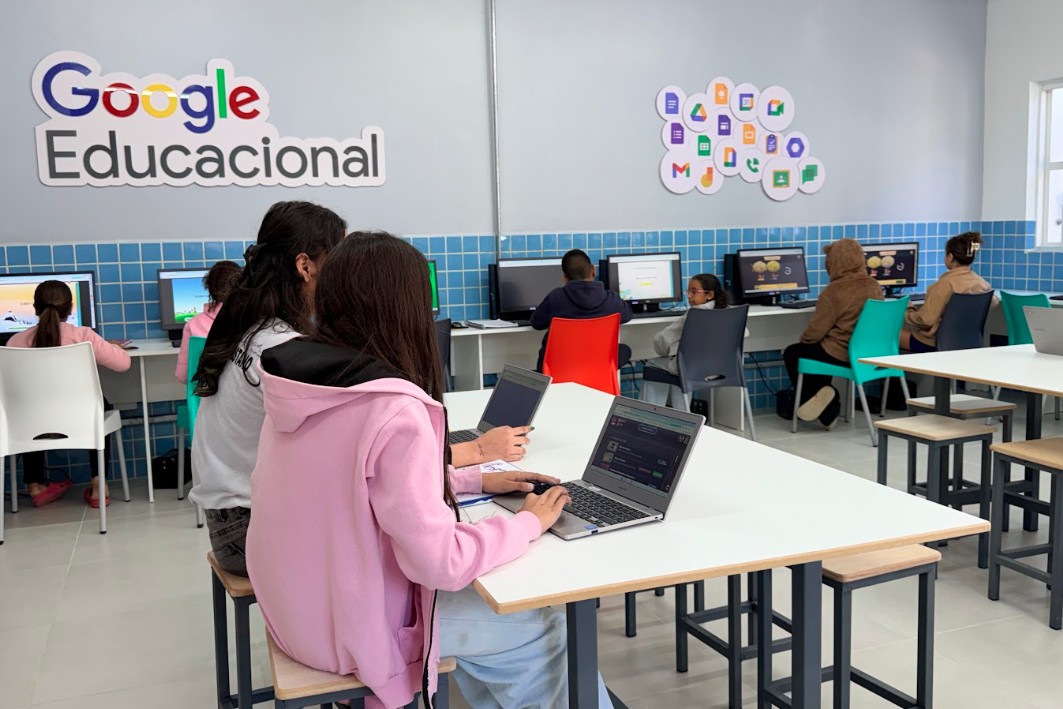
São José dos Campos, Brazil, is establishing itself as a leader in innovative public education with its "Educação 5.0" (Education 5.0) strategy. This public policy aims to prepare students not just for traditional assessments but for a rapidly changing world by integrating technology, active learning methodologies, comprehensive training, and innovative learning environments. The core of this approach places students at the center of the educational process, fostering creativity, critical thinking, collaboration, and student agency.
The municipality's efforts have gained national recognition from the Ministry of Education, which selected São José dos Campos for its "Map of Inspiring Experiences in Integral Education." The chosen practice highlights the "Integrated Projects" developed since 2022, which connect diverse knowledge areas through real-world challenges. This model moves away from isolated subjects, promoting integrated and contextualized learning that aligns with contemporary societal demands. It incorporates STEAM (Science, Technology, Engineering, Arts, Mathematics), maker culture, and socio-emotional development practices.
Educação 5.0 also involves significant structural changes within schools, introducing Google Classrooms, Maker Labs, science and language labs, interactive whiteboards, Chromebooks, and specialized support spaces. The city established the Center for Innovation and Educational Technologies (CITE) to assist teachers in creating digital content and developing new pedagogical approaches, fostering a culture of continuous innovation. The strategy emphasizes using digital tools as instruments to enhance student engagement and personalize learning, rather than as ends in themselves, preparing students for a knowledge-based, connected society.
São José dos Campos' "Educação 5.0" initiative exemplifies a strategic shift in public education, prioritizing 21st-century skills and technological integration. The program's recognition by the Ministry of Education underscores the potential of well-planned, innovation-driven educational policies to enhance student preparedness for a dynamic global landscape. By focusing on integrated projects and student-centered learning, the city appears to be addressing the growing need for adaptable, problem-solving individuals. The long-term success of this model will likely depend on sustained investment in teacher training, equitable access to technology across all student demographics, and continuous curriculum adaptation to keep pace with technological advancements and evolving societal needs. This approach offers a scalable framework for other Brazilian municipalities seeking to modernize their educational systems and foster future-ready citizens.
AI-generated to prompt reflection — not editorial opinion, not advice, not a statement of fact. How this works.