São José dos Campos Faces Third Day of Water Outage, Impacting Businesses and Residences
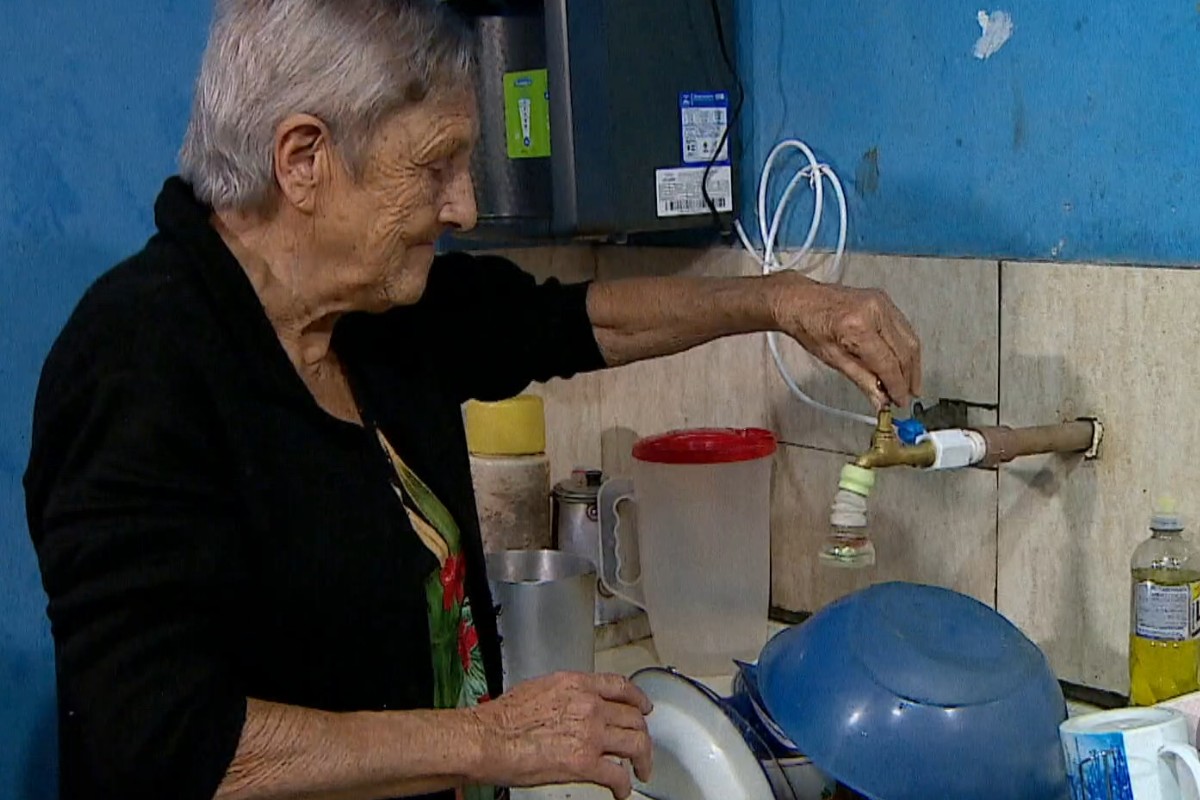
Residents and businesses in São José dos Campos, Brazil, are experiencing a third consecutive day without water supply as of Wednesday, March 22nd. The prolonged outage is causing significant disruptions and financial losses, forcing businesses to adapt to maintain operations. Fernando Luiz, owner of a car wash in the Parque Industrial area, reported a complete halt in services due to the lack of consistent water volume, leading to "total loss" for his business on Tuesday and likely Wednesday. In the Zona Leste, a condominium in the Eugênio de Melo district resorted to hiring water trucks to supply its residents. However, a 40,000-liter delivery lasted only two hours, and finding additional suppliers at reasonable prices proved difficult. Vinícius Freitas, the assistant manager of the condominium, explained that the Sabesp (São Paulo State Sanitation and Water Company) supply was interrupted a day earlier than anticipated, catching residents unprepared. The interruption was due to a leak identified in the system, which Sabesp had initially scheduled for March 21st but advanced to March 20th. Emerson Santos, Sabesp's regional director for the Paraíba Valley, stated that water supply is expected to be gradually restored starting from 12 PM on Wednesday, March 22nd, with full normalization anticipated by Thursday, March 23rd, as repair work continues.
The water outage in São José dos Campos highlights the fragility of urban infrastructure and the cascading economic impacts of service disruptions. The early interruption by Sabesp, while intended to address a leak, created a surprise deficit for residents and businesses, underscoring the importance of robust communication and contingency planning in utility management. The reliance on water trucks, though a temporary solution, reveals market dynamics where scarcity drives up prices and strains supply chains, disproportionately affecting smaller businesses and residential communities. Looking ahead, such incidents prompt consideration of system resilience against unforeseen events and the integration of smart water management technologies to predict and mitigate leaks more effectively, ensuring consistent service delivery in an era of increasing climate variability and urban growth.
AI-generated to prompt reflection — not editorial opinion, not advice, not a statement of fact. How this works.