São José dos Campos's "Meu Pet Feliz" Program Exceeds 37,000 Animal Castrations
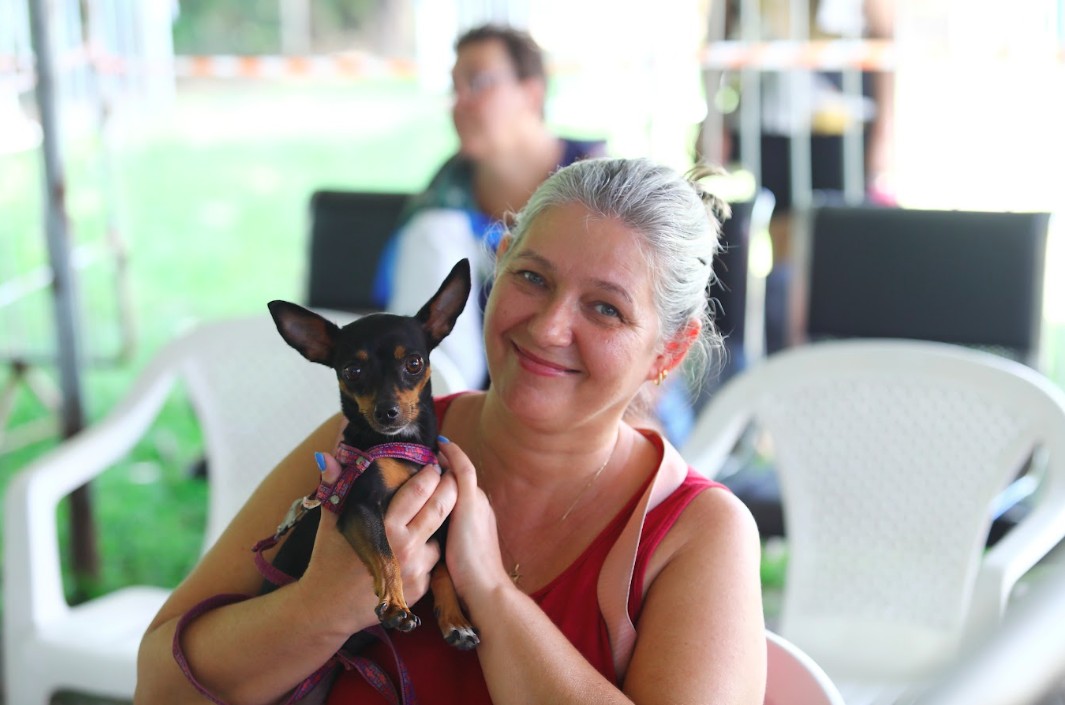
São José dos Campos has solidified its commitment to animal welfare through its "Meu Pet Feliz" program, a comprehensive initiative addressing the challenges of urban pet populations. Launched in 2018, the program has successfully performed over 37,000 free animal castrations, with approximately 10,000 of these procedures conducted by the "Castramóvel," a mobile veterinary unit serving various city districts. This program aims to control pet populations and promote preventive health by reducing disease incidence and improving animal quality of life, with post-operative care and medication provided free of charge.
Beyond surgical interventions, "Meu Pet Feliz" emphasizes animal identification and responsible adoption. Since its inception, nearly 44,000 dogs and cats have received free microchipping, an electronic identification system designed to reunite lost pets with their owners and combat animal abandonment, mistreatment, and theft. The program also facilitates responsible adoption through the Center for Zoonoses Control (CCZ), where rescued animals receive veterinary care while awaiting new homes. Since 2021, around 500 animals have been adopted, fostering lasting bonds between pets and their new families. The initiative fosters a culture of shared responsibility, contributing to reduced abandonment, disease prevention, and enhanced public health, positioning animal care as integral to urban quality of life.
The "Meu Pet Feliz" program in São José dos Campos exemplifies a proactive municipal strategy for managing urban animal populations and promoting public health. By integrating free sterilization, microchipping, and adoption services, the city addresses both animal welfare and community well-being. This approach shifts the paradigm from reactive crisis management to a preventative, systemic model. Such integrated policies can yield long-term benefits by reducing the burden on public services associated with stray animals and zoonotic diseases, while simultaneously fostering a more humane urban environment. The program's success highlights the potential for municipal governments to leverage public health frameworks for comprehensive animal care, creating a scalable model for other cities facing similar demographic and environmental pressures in the coming decade.
AI-generated to prompt reflection — not editorial opinion, not advice, not a statement of fact. How this works.