São José dos Campos Water Supply Gradually Restored After 3-Day Outage
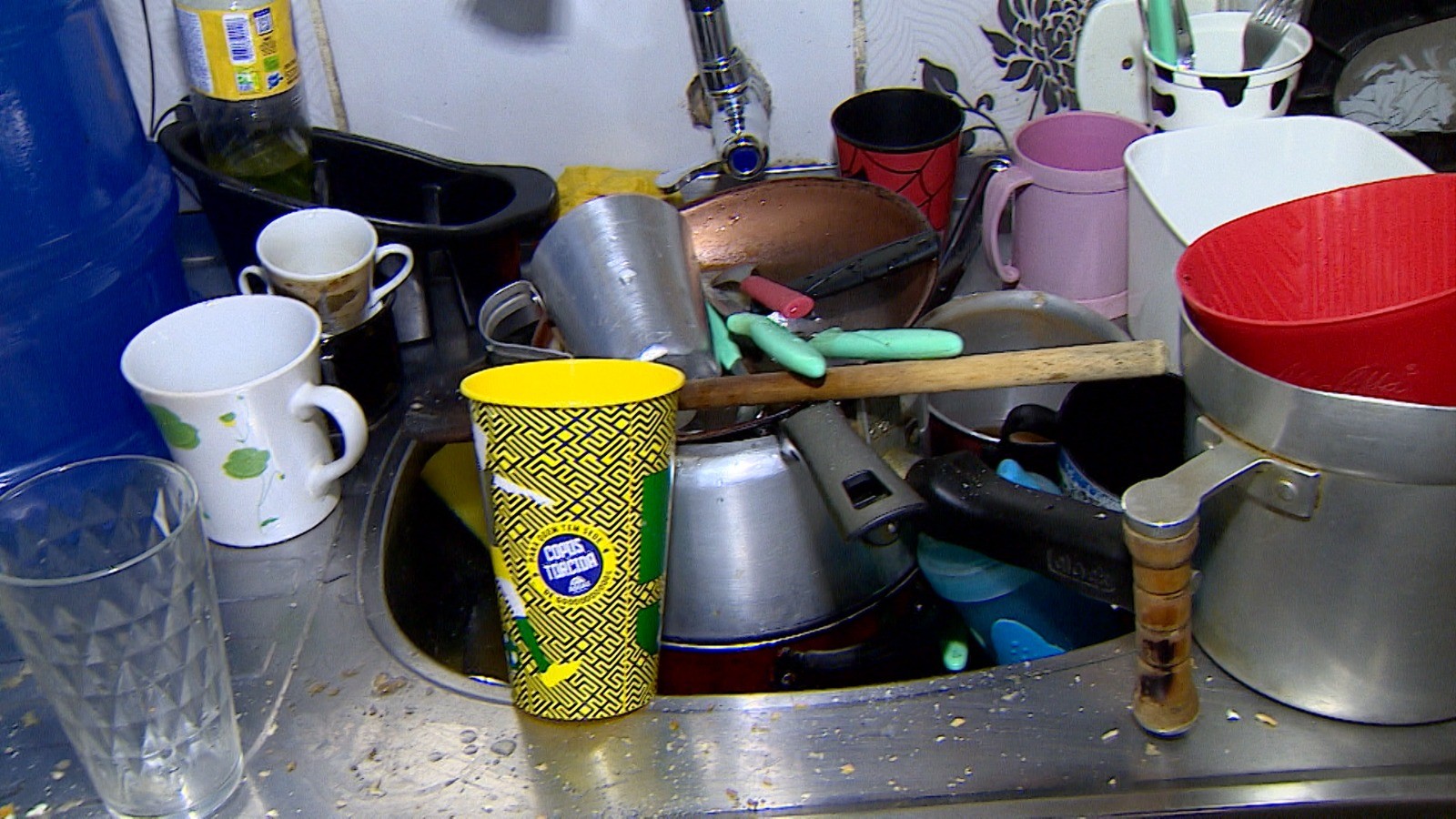
Water supply is being gradually restored in São José dos Campos, Brazil, after a three-day outage affecting approximately 70% of the city's population, or 450,000 people. Sabesp, the water company, reported that as of Wednesday afternoon, about 100 out of 350 affected neighborhoods had their service replenished. The disruption was caused by essential maintenance on the city's water intake system, which required the replacement of three old valves. This maintenance was initially scheduled for Tuesday but was moved up to Monday due to a detected equipment failure, necessitating a temporary shutdown of operations. Sabesp anticipates a full normalization of the water supply across the entire city by the end of Thursday. The complexity of the system means that restoring flow involves refilling large pipelines and reservoirs before water reaches individual homes, leading to a gradual recovery process. To mitigate the impact, Sabesp has deployed around 40 water trucks, prioritizing essential services like hospitals. Residents are urged to use water consciously once service resumes to ensure equitable distribution. This valve replacement is part of a larger R$29 million investment aimed at modernizing the city's water system, with the new valves designed to allow future upgrades without service interruptions. Sabesp stated that no further large-scale interventions of this nature are currently planned.
The water outage in São José dos Campos highlights the critical infrastructure challenges faced by rapidly growing urban centers. While Sabesp's proactive valve replacement and subsequent communication demonstrate a commitment to system integrity and public information, the scale of the disruption underscores the vulnerability of complex water networks to single points of failure. The R$29 million investment in modernization suggests a strategic effort to address historical issues, but the incident also raises questions about the resilience of such systems against unforeseen failures and the effectiveness of predictive maintenance in preventing widespread service disruptions. Future planning should consider redundancy and fail-safe mechanisms to minimize the impact of essential maintenance and unexpected failures on large populations, ensuring greater reliability in the face of evolving environmental and operational demands.
AI-generated to prompt reflection — not editorial opinion, not advice, not a statement of fact. How this works.