São José dos Campos Water Supply Still Fluctuating Despite Sabesp's Restoration Efforts
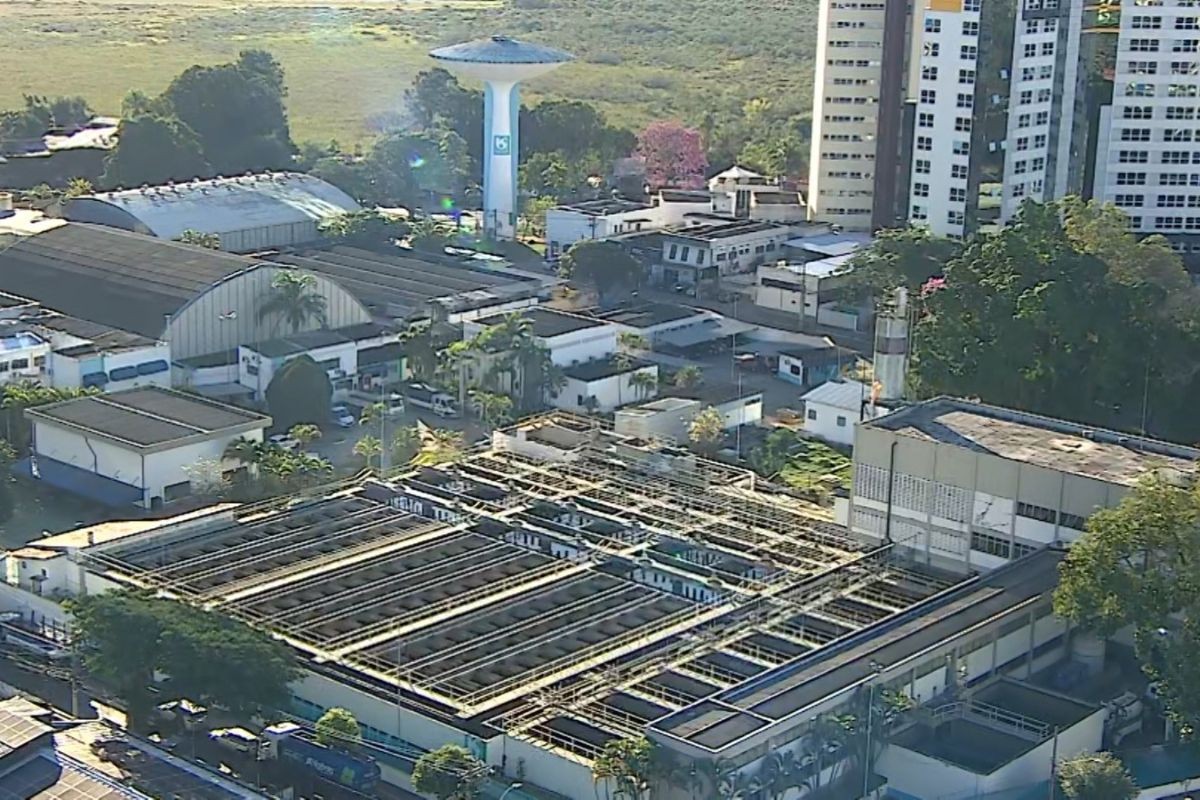
Residents in various neighborhoods of São José dos Campos are still experiencing inconsistent water supply, even after Sabesp announced the resumption of service following four days of interruptions. As of Thursday afternoon, May 23rd, Sabesp indicated that full normalization of the water supply is anticipated by 10 PM that evening, with approximately 95% of the distribution system already restored. The gradual recovery is attributed to the need for the system to regain pressure and water volume in pipelines and reservoirs. During this process, temporary interruptions or low-pressure supply may affect some properties until the entire network stabilizes. Sabesp confirmed the completion of valve replacements in the intake system, leading to the 95% restoration. However, complete network recovery is dependent on public consumption and may take longer in certain areas, particularly those at higher elevations or farther from reservoirs. Some residents have reported yellowish water due to sediment movement in pipes, with the recommendation to run taps until the water clears. Specific neighborhoods like Campo dos Alemães are seeing intermittent supply, while Jardim das Indústrias faces ongoing fluctuations. Parque Industrial residents noted discolored water, and the central region complains of low pressure. The situation remains most critical in Bairrinho, in the eastern zone, where supply had not been fully restored by Thursday afternoon.
The prolonged water supply disruption in São José dos Campos highlights the critical infrastructure challenges faced by municipalities reliant on aging systems. While Sabesp's efforts to replace valves and restore service are noted, the persistent fluctuations underscore the complex interdependencies within a large-scale water distribution network. The gradual normalization process, influenced by factors like system pressure, reservoir levels, and public consumption, reveals the inherent fragility of such systems when subjected to significant maintenance or repair. Future resilience may depend on proactive infrastructure investment, advanced leak detection, and dynamic pressure management systems, particularly in areas prone to pressure drops. Understanding the trade-offs between rapid repair and ensuring long-term system stability will be crucial for urban water management in the coming decade.
AI-generated to prompt reflection — not editorial opinion, not advice, not a statement of fact. How this works.