São José Sugar Mill Rejects Environmental Accord for Piracicaba River Fish Kill
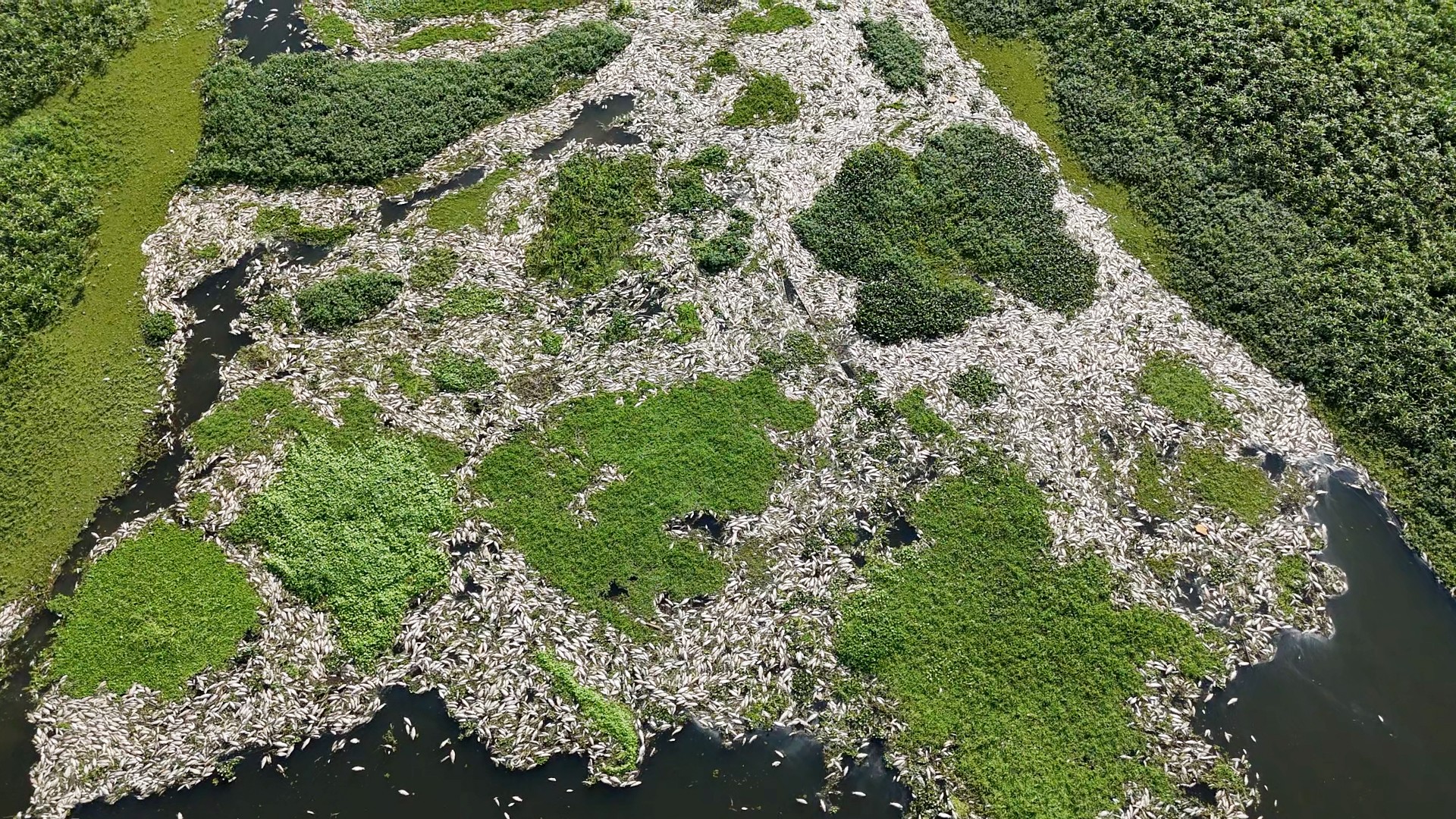
Usina São José S/A Açúcar e Álcool has fully rejected a proposed agreement with the Public Prosecutor's Office (MP) concerning the mass fish kill in the Piracicaba River on July 7, 2024. This incident, which occurred two years prior to the rejection, resulted in the deaths of approximately 253,000 fish over a 70-kilometer stretch of the river, impacting the Tanquã Protected Area, known as the "mini-Pantanal" of São Paulo. The proposed Term of Environmental Adjustment Conduct (TAC) included provisions for the mill to compensate affected fishermen with monthly salaries and R$10,000 for moral damages, restock the river, undertake compensatory social and environmental projects, and implement continuous environmental monitoring. The company also faced an R$18 million fine from the São Paulo State Environmental Company (Cetesb), which it has not paid and is contesting. Cetesb had identified the mill as the source of the agro-industrial waste pollution. Usina São José stated that its decision not to sign the TAC does not signify a refusal to engage in dialogue or the investigation of facts, but rather a preference to pursue its defense through judicial channels. The mill argued that the grounds for the TAC were incompatible with its understanding of the event, that the proposed agreement's structure was flawed, and that the spill was accidental and of minor scale, insufficient to cause such a large fish mortality. They also attempted to attribute the damage to an algal bloom, a claim Cetesb rejected based on evidence of concentrated industrial discharge. The mill resumed operations in July 2025 after regaining its operating license, while its appeals against the R$18 million fine have been denied.
The refusal by Usina São José to engage with the proposed environmental remediation agreement highlights a common tension between corporate liability and regulatory oversight following environmental incidents. The company's stance, emphasizing its right to judicial defense and disputing the scale and cause of the fish kill, suggests a strategic approach to minimize financial and operational repercussions. This situation underscores the challenges in achieving swift environmental justice, particularly when complex scientific assessments and substantial financial claims are involved. The legal and regulatory framework must balance the need for accountability and ecological restoration with due process for accused entities. Future considerations should focus on enhancing preventative measures, improving rapid response protocols for environmental damage, and exploring alternative dispute resolution mechanisms that foster collaboration rather than protracted legal battles, especially in the context of increasing environmental pressures from industrial activities.
AI-generated to prompt reflection — not editorial opinion, not advice, not a statement of fact. How this works.