São José Water Supply Restoration Continues, Some Areas Still Affected
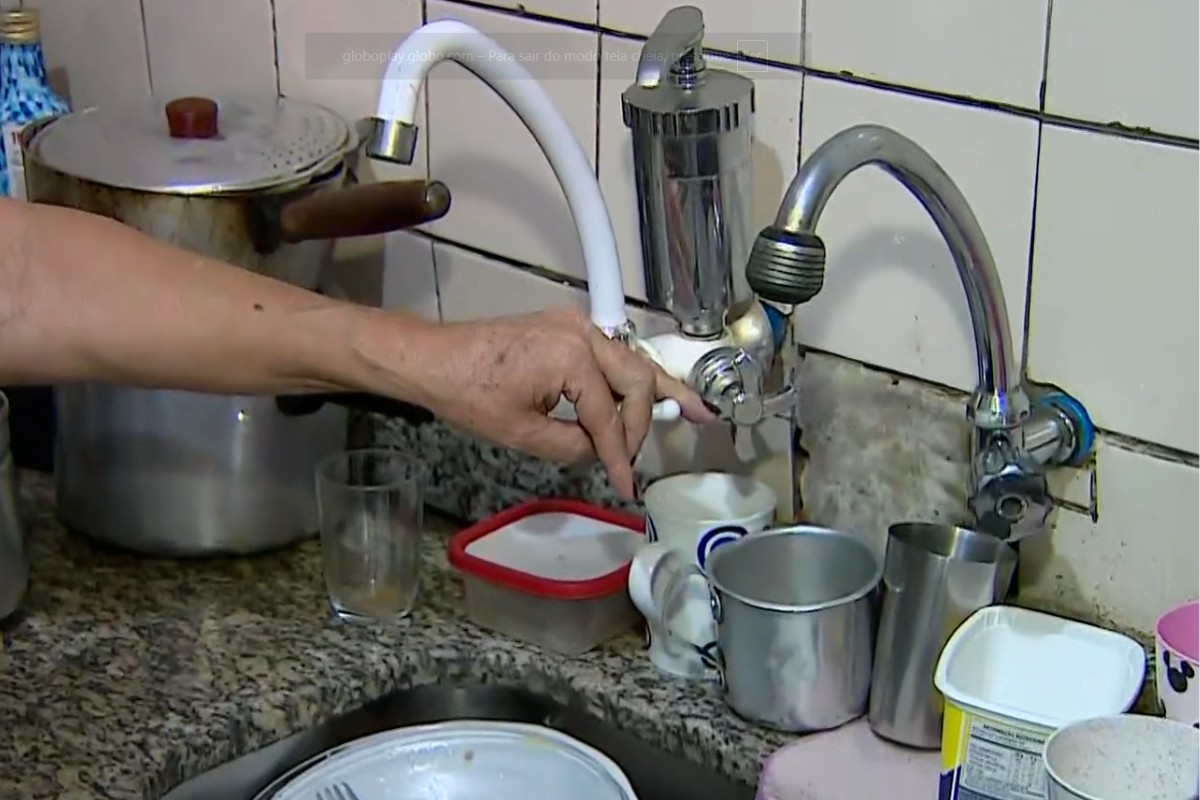
Water supply is gradually being restored to over 150 neighborhoods in São José dos Campos, Brazil, following an interruption that began on Monday, June 20th. While many residents have seen service return, some areas, including parts of Cidade Morumbi, Dom Bosco, and Bairrinho, continued to experience dry taps on Thursday, June 23rd. Sabesp, the water company, reported that 94.4% of households had their supply re-established by Thursday morning and anticipated full normalization by the end of the day. The remaining issues are primarily concentrated in higher-elevation areas and those reliant on pumping systems, specifically mentioning Veneza, Vale do Sol, parts of Conjunto 31 de Março, the upper section of Jardim Colonial, Jardim República, Eldorado, and sector Buquirinha II. To mitigate the impact, Sabesp deployed 30 water trucks and 90 technicians. The disruption was necessitated by the emergency replacement of three aging valves in the water intake system, a measure intended to enhance operational safety and address a long-standing issue in the city. Although the valve replacement was part of an investment plan for system reliability, an unforeseen failure during pre-testing accelerated the need for immediate intervention. Sabesp apologized for the inconvenience and urged continued water conservation during the recovery period, emphasizing that the new equipment will improve system dependability.
The water supply interruption in São José dos Campos highlights the critical infrastructure challenges faced by aging systems, even when investments are planned for upgrades. The emergency nature of the valve replacement, triggered by a failure during testing, suggests potential gaps in predictive maintenance or the thoroughness of pre-intervention assessments. While Sabesp's communication aims to reassure the public and outlines recovery efforts, the repeated issues in certain areas, as noted by residents, point to systemic vulnerabilities. Future planning may benefit from a more robust approach to identifying and mitigating risks in older infrastructure before they necessitate emergency interventions, ensuring greater resilience against unexpected failures and minimizing public disruption. The company's commitment to modernization is noted, but the recurrence of problems suggests a need for continuous evaluation of the effectiveness and timeliness of these upgrades.
AI-generated to prompt reflection — not editorial opinion, not advice, not a statement of fact. How this works.