São Luís Cultural Calendar: Festival AYÓ, Forró do Mel, Theater, and Exhibitions
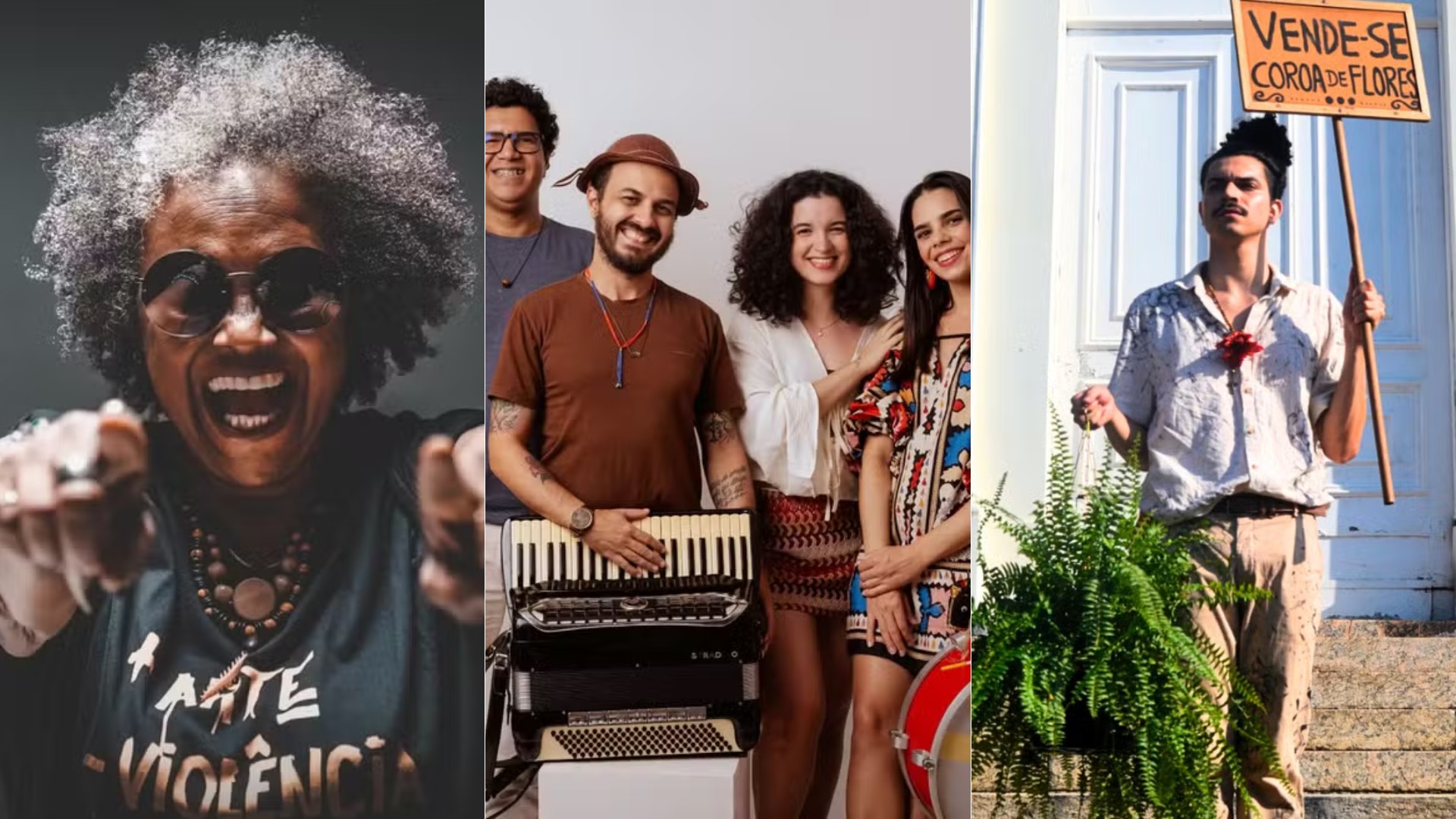
São Luís is set to host a vibrant cultural program from Thursday, June 30th, featuring a variety of free events in its Historic Center. The highlight is the third edition of the Festival AYÓ, a two-day celebration of Afro-Brazilian culture at Praça das Mercês. This festival will include music, popular culture groups, gastronomy, and a market showcasing local entrepreneurs. Friday, July 1st, will feature a performance by singer Sandra Sá at the festival, alongside traditional groups like Bumba Meu Boi and Tambor de Crioula.
Other notable events include the "Ser Tão Mará" show by Forró do Mel at the Centro Cultural Vale Maranhão on Thursday, June 30th, blending forró with Maranhão's cultural influences. The theater scene will see the final performances of "Cadeira de Balanço" on June 30th and July 1st at the Teatro da Cidade, a play exploring themes of grief and memory. Art enthusiasts can look forward to the opening of the "Preto Real" photographic exhibition on June 30th at the Galeria Dila, showcasing Black children as heirs of African empires, and the "Energia da Matéria" exhibition by Débora Marques opening on July 7th at Galeria Trapiche. Additionally, the Centro Cultural Vale Maranhão will host the eighth edition of the Indígenas.BR festival from August 4th to 7th, focusing on Indigenous music, culture, and the role of women in these traditions. The Cinema Digital do Sesc Deodoro will also offer free film screenings on June 30th and July 1st, featuring a diverse selection of short films and feature-length movies.
This cultural programming in São Luís aims to invigorate the city's Historic Center by offering a diverse array of free events. The convergence of music festivals, theater, and visual arts reflects an effort to engage both local communities and visitors, potentially boosting cultural tourism and local economies. The inclusion of events like the Festival AYÓ and Indígenas.BR highlights a focus on celebrating Afro-Brazilian and Indigenous heritage, aligning with broader national trends of cultural recognition and preservation. Future initiatives could explore deeper integration of these cultural expressions with digital platforms to expand reach and accessibility, particularly for younger demographics. The success of such events often hinges on sustained public and private investment, as well as effective community outreach to ensure broad participation and long-term cultural sustainability.
AI-generated to prompt reflection — not editorial opinion, not advice, not a statement of fact. How this works.