São Luís Residents Report Skin Ailments Linked to Fertilizer Company Leak
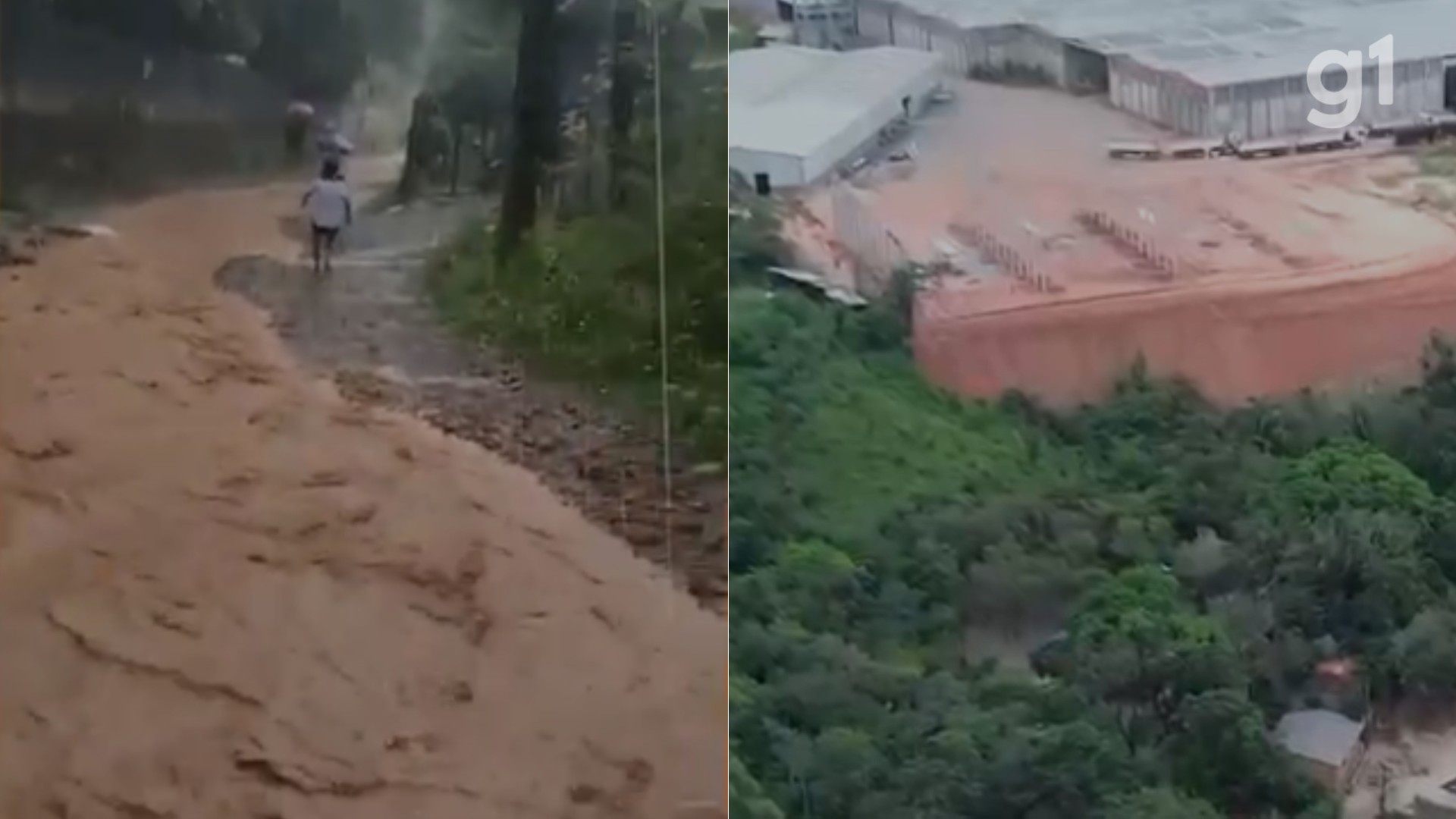
Residents of Vila Maranhão, a community of approximately 70 families in São Luís, Brazil, are experiencing skin issues including itching, burns, and red patches. These symptoms reportedly began after a fertilizer company, Valen Fertilizantes, commenced operations in July 2023 and intensified following a chemical leak in February of this year. Among those affected is 78-year-old Margarida, who was hospitalized with severe dermatitis and skin inflammation, conditions her daughter states she did not have previously. Another resident's grandmother is also suffering from itching and burns, having received various diagnoses including psoriasis, erysipelas, and scabies. The company attributes the February leak to rainwater dissolving fertilizer residue from machinery, which then flowed towards the community. Geographers explain that nitrogen-based fertilizers can react with water to form toxic nitrates and nitrites, which can be harmful upon skin contact or inhalation. A dermatologist noted that ammonia exposure can cause itching and burns, depending on exposure levels. The Public Prosecutor's Office prompted a judicial order for Valen Fertilizantes to relocate families and implement emergency measures, including state and municipal monitoring. The company claims to have provided medical aid and hired a clinic that reported no ammonia contamination, though residents dispute the thoroughness of these assessments and the results provided. Water quality is also a point of contention, with local health authorities finding no groundwater contamination, yet residents are advised against using well water and the company now supplies bottled water. The São Luís Municipality's Environmental Secretariat has notified the company of environmental risks and embargoed its activities since February, issuing sanctions including fines for environmental damage. A court case is ongoing, with a new hearing scheduled to determine the dates for expert analysis and witness testimonies, as the judge cannot yet ascertain the factual accuracy of the conflicting accounts.
This situation highlights the critical need for robust environmental oversight and transparent communication when industrial operations, particularly those involving potentially hazardous materials like fertilizers, are established near residential areas. The conflicting reports on health impacts and water quality underscore the challenges in attributing causality and the importance of independent, comprehensive scientific assessments. Future regulatory frameworks should prioritize proactive environmental impact studies, community engagement before project approval, and accessible, reliable health monitoring systems to ensure public safety and build trust between industry, residents, and governing bodies. The legal process, while necessary for resolution, can be lengthy, emphasizing the importance of interim protective measures and clear accountability mechanisms to address immediate community concerns.
AI-generated to prompt reflection — not editorial opinion, not advice, not a statement of fact. How this works.