São Miguel do Gostoso's City Council President Becomes Interim Mayor
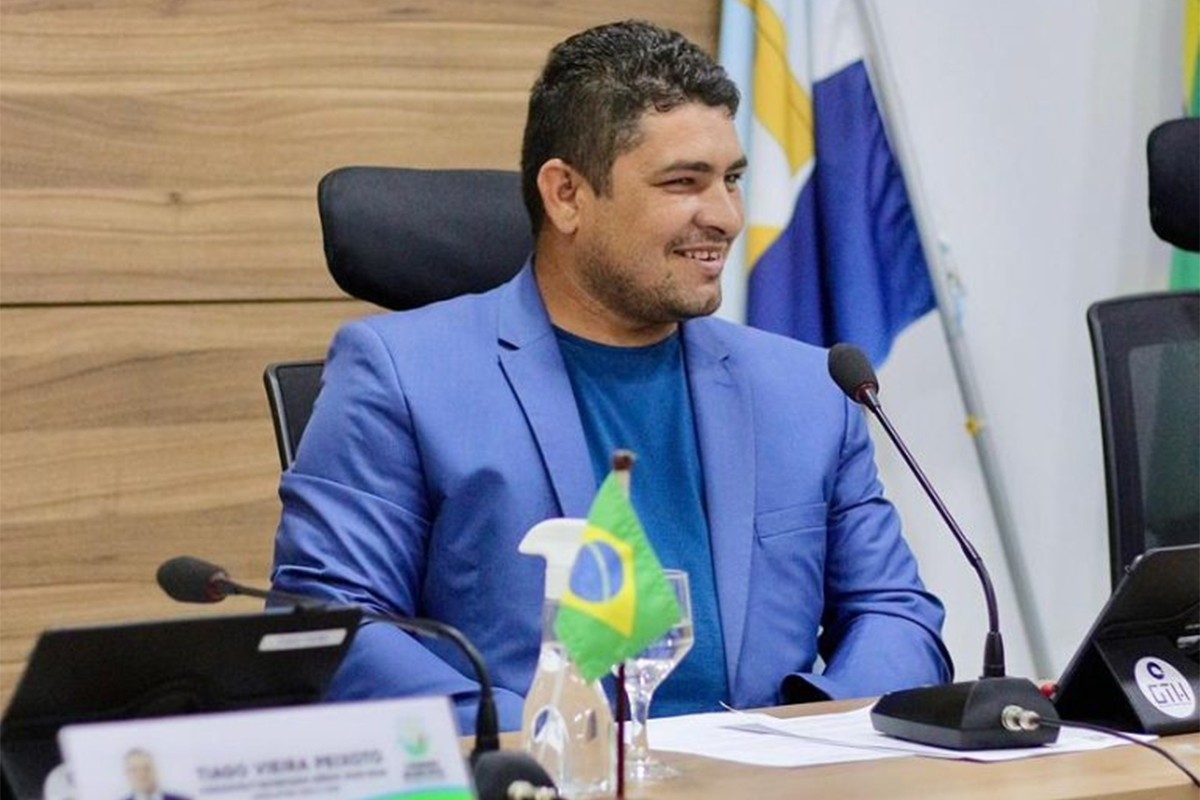
Jean dos Morros, president of the Municipal Chamber of São Miguel do Gostoso, was sworn in as interim mayor on Tuesday, March 21st. He will lead the municipal administration until the Electoral Justice system schedules a supplementary election to choose the new head of the executive branch. The Regional Electoral Court of Rio Grande do Norte (TRE-RN) has not yet set a date for this new election. Dos Morros, 36, is in his second term as a councilman and presides over the Municipal Chamber for the 2025-2026 biennium. In the 2024 elections, he was the most voted councilman in the city, securing 596 votes. A native of Touros and resident of the Morros Martins community, his political career began in 2020. Within the Chamber, he is recognized for proposing legislation focused on the inclusion of people with disabilities and support for atypical families, a cause that gained prominence after his son's autism diagnosis. This leadership change follows the Electoral Court's decision to uphold the dismissal of the mandates of former mayor Léo de Doquinha and vice-mayor João Eudes due to political power abuse during the 2024 elections. The court found that the ticket benefited from 385 temporary hires made by former mayor Renato de Doquinha, an ally, during the election year, deeming these hirings to be politically motivated and influential in the election outcome. Renato de Doquinha has also been declared ineligible for eight years. A supplementary election will be held to elect a new mayor for São Miguel do Gostoso, with the interim mayor's term lasting until the newly elected official takes office.
The interim mayoral appointment in São Miguel do Gostoso stems from a judicial ruling invalidating the previous administration due to electoral irregularities, specifically the alleged misuse of political power through mass temporary hirings. This situation highlights a recurring challenge in local governance where electoral processes can be compromised by administrative actions designed to influence voter outcomes. The subsequent supplementary election aims to restore democratic legitimacy, but the underlying incentive structures that led to the abuse of power remain a systemic concern. Future governance models may need to incorporate stronger oversight mechanisms and clearer ethical guidelines for public administration during election periods to prevent similar occurrences and ensure a level playing field for all candidates.
AI-generated to prompt reflection — not editorial opinion, not advice, not a statement of fact. How this works.