São Paulo Appeals Court Order to Authorize Uber Moto, Cites Safety Concerns
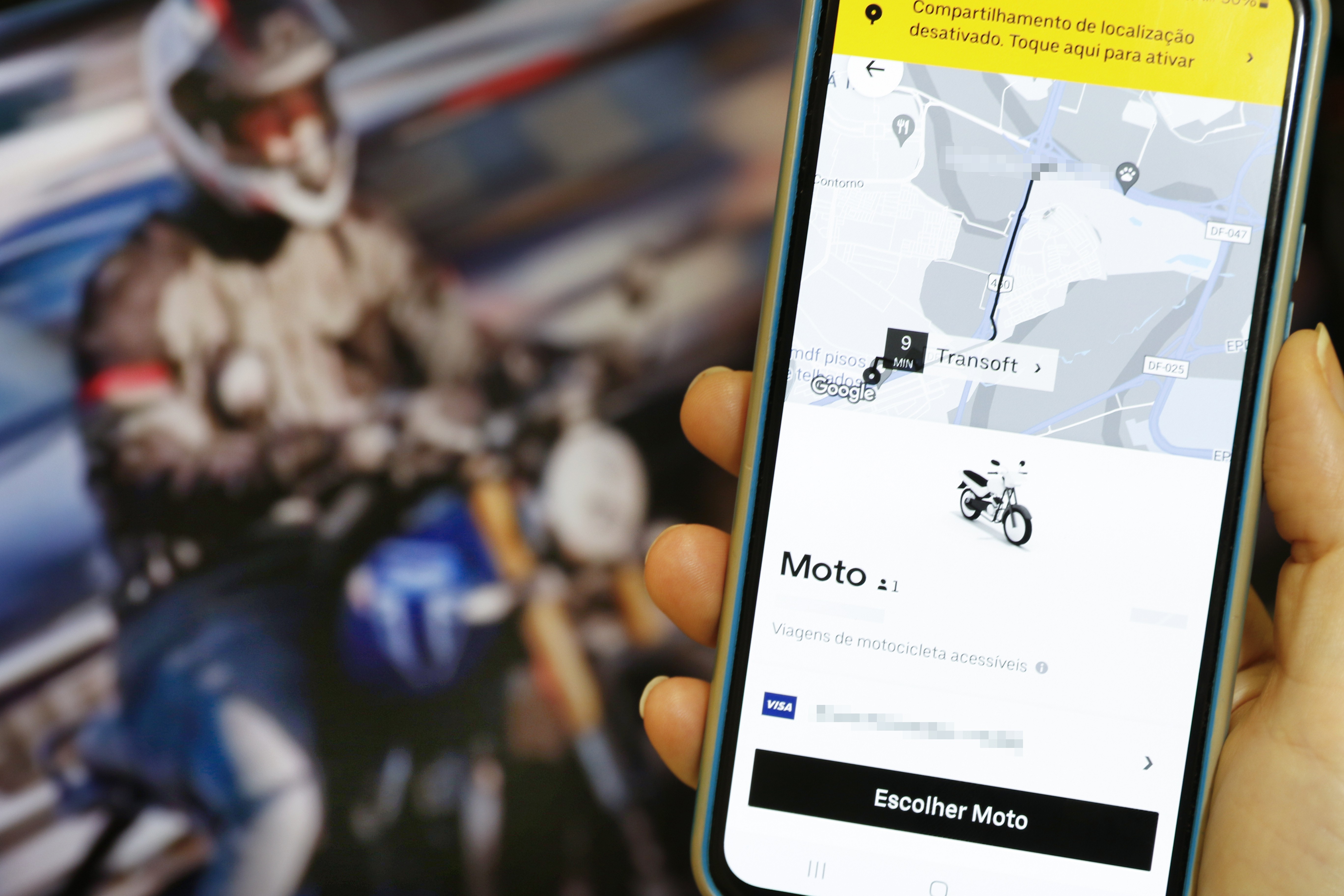
The São Paulo City Hall has appealed a judicial decision that mandated the accreditation of Uber to operate motorcycle-based passenger transport services within the capital. Despite the appeal, the city administration stated it will fully comply with the court's order. The decision, issued by Judge Patrícia Persicano Pires of the 16th Public Treasury Court, granted the municipality 48 hours to formalize the platform's accreditation, with a daily fine of R$5,000 for non-compliance. The deadline passed on Friday, but the Municipal Attorney General's Office indicated that further regulatory steps are still required before operations can commence.
Mayor Ricardo Nunes (MDB) contends that the judicial ruling specifically addressed an extra insurance requirement, and that Uber has not yet met other obligations. These include registering motorcycles and drivers, verifying toxicological exams, and completing training courses. Nunes emphasized that no authorization has been granted for Uber to begin operations, and the city will present these arguments to the court. He highlighted the importance of ensuring the safety of passengers, citing that 475 people died in motorcycle accidents in São Paulo last year alone. The municipal government also noted concerns expressed by labor unions regarding the judicialization of regulations for app-based motorcycle transport services.
This situation highlights a recurring tension between municipal regulatory efforts and the operational demands of app-based transportation services, particularly concerning safety and insurance mandates. The city's appeal and emphasis on remaining regulatory steps suggest a strategy to assert local governance while navigating judicial precedents. The judicial branch's intervention, referencing prior STF decisions, indicates a broader legal framework that may limit municipal authority in setting excessively stringent operational requirements for such services. The core conflict appears to be the balance between ensuring public safety and preventing undue barriers to market entry, a dynamic likely to persist as cities grapple with evolving transportation technologies and their societal impacts over the next decade.
AI-generated to prompt reflection — not editorial opinion, not advice, not a statement of fact. How this works.