São Paulo Blood Bank Urgently Seeks O-Negative Donations
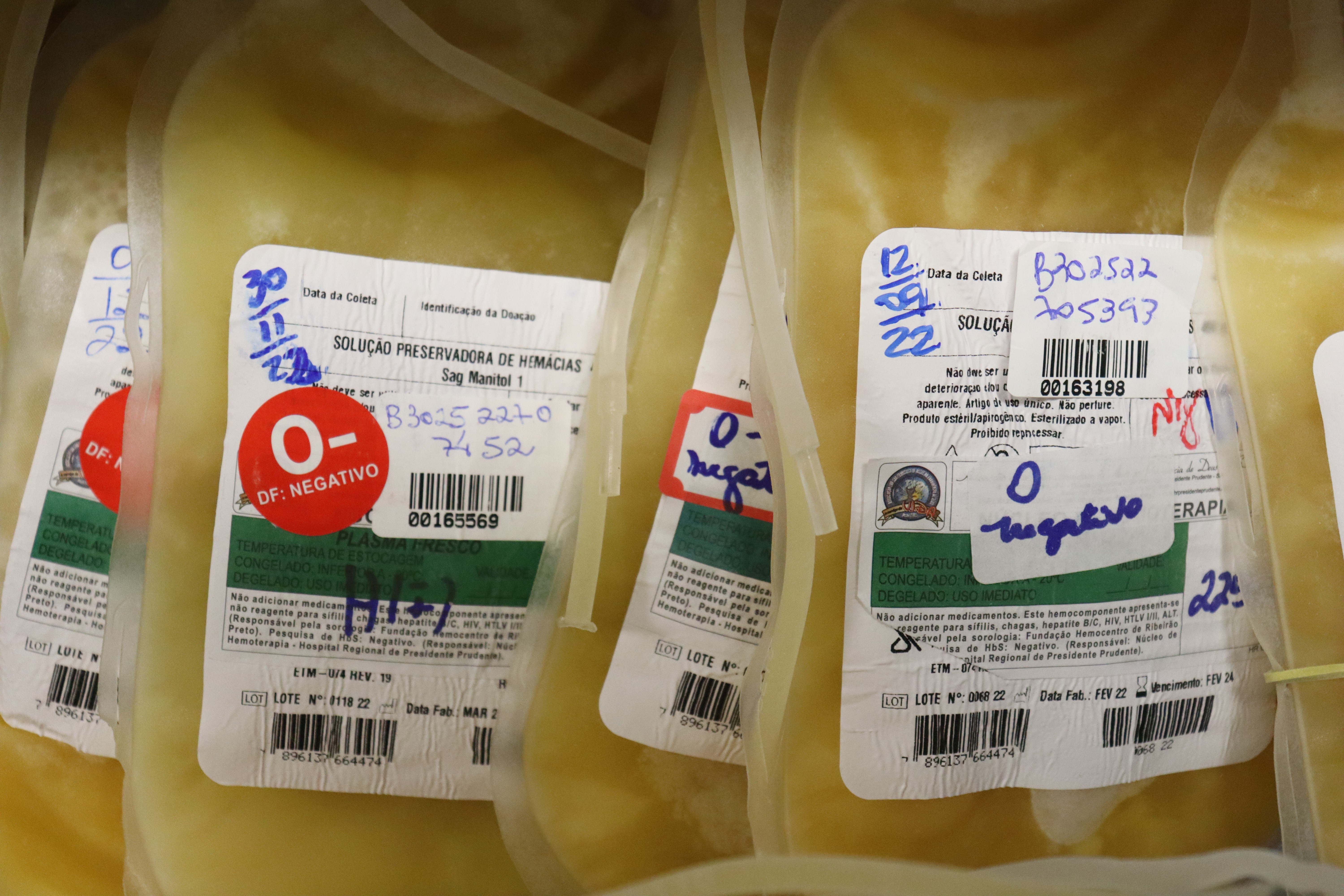
The GSH Blood Bank in São Paulo is urgently appealing to the public for blood donations, with a particular emphasis on the O-negative blood type, due to critically low stock levels observed in recent weeks. This situation necessitates immediate attention and the recruitment of new donors to replenish reserves and ensure continuous care for patients requiring transfusions. O-negative blood is vital as it is considered the 'universal donor' type, capable of being transfused to patients of any blood group during emergencies when immediate compatibility testing is not feasible. Its availability is crucial for managing severe accidents, urgent surgeries, obstetric complications, and ongoing treatments for chronic conditions like cancer. The Ministry of Health also prioritizes its use for newborns up to four months old, underscoring its critical importance. Janaína Ferreira, the head of donor recruitment at GSH, stated that this period demands public solidarity, as each O-negative donation can sustain patients needing transfusions. She also highlighted that all blood types remain essential. Donations can be made at the Paraíso unit (Rua Tomás Carvalhal, 711), open daily from 7 AM to 6 PM; the Bela Vista unit at Hospital BP (Rua Maestro Cardim 769), also open daily from 7 AM to 6 PM; and the Santo André unit (Av. Dom Pedro II, 877), open Monday to Saturday from 7 AM to 12 PM.
The appeal from the GSH Blood Bank highlights the persistent challenge of maintaining adequate blood supply, a critical public health infrastructure component. The emphasis on O-negative blood, while justified by its universal donor status, also points to potential systemic issues in donor diversification and consistent engagement. Relying heavily on specific rare blood types for emergencies can strain resources and create vulnerability if supply chains are disrupted. Future strategies might involve leveraging AI for predictive modeling of blood needs, optimizing collection schedules, and enhancing public awareness campaigns that stress the importance of all blood types, not just the universally compatible ones. This proactive approach could mitigate the cyclical nature of donation shortages and ensure greater resilience in healthcare systems.
AI-generated to prompt reflection — not editorial opinion, not advice, not a statement of fact. How this works.