São Paulo Braces for Cold Front: Rain and Temperature Drop Expected
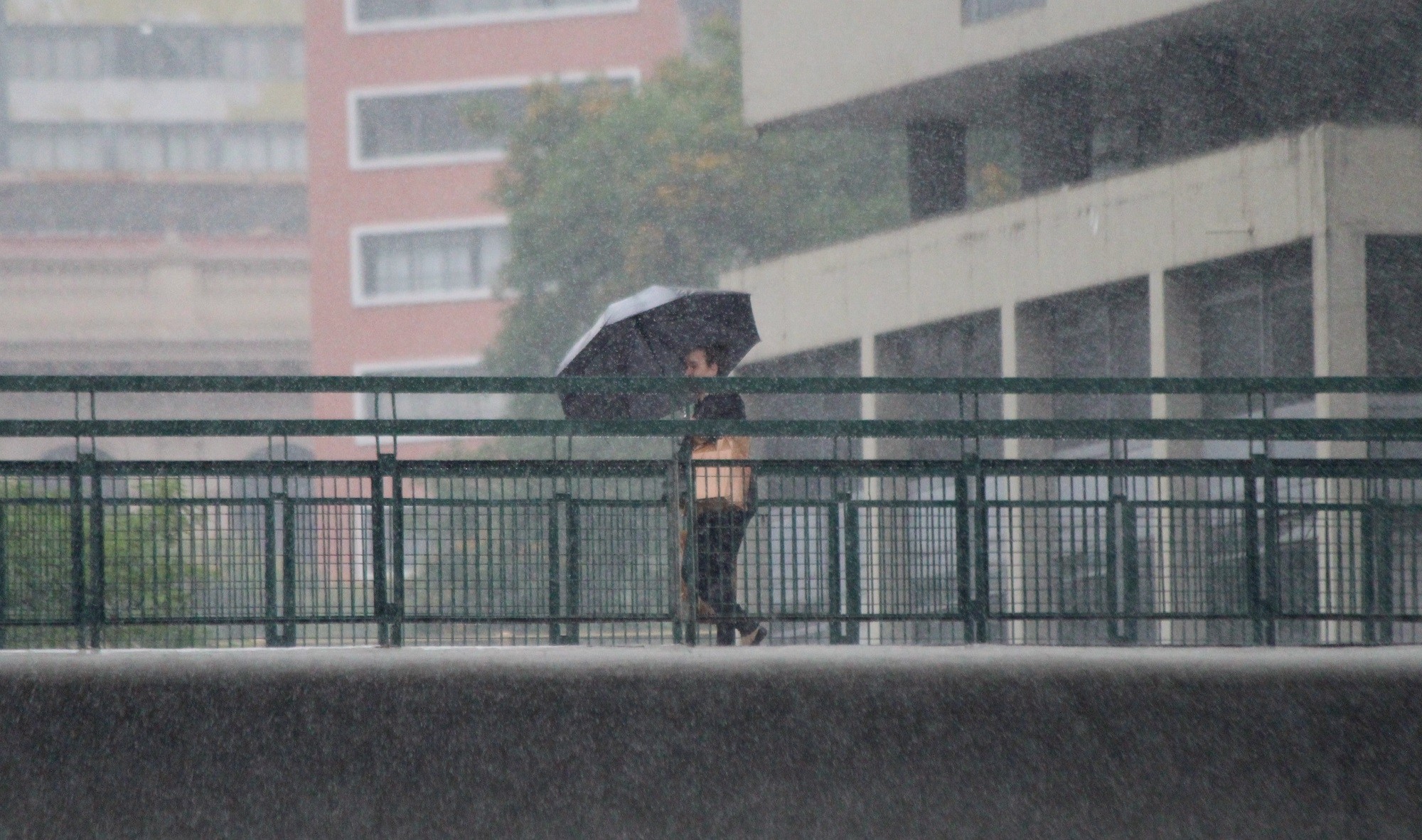
São Paulo's Civil Defense has issued a warning regarding an approaching cold front that will bring significant weather changes between Thursday, May 23rd, and Friday, May 24th. After a period of warm and dry conditions, the state can expect increased cloudiness, a drop in temperatures, and scattered rain showers. These showers may be accompanied by lightning and wind gusts. On Thursday, the day will start with sun and clouds across much of the state, but temperatures will begin to fall. Isolated rain showers, potentially with lightning and wind, are forecast, particularly in the eastern regions and those bordering Paraná, where higher rainfall amounts are anticipated. Other areas will experience less intense, isolated showers. The cold front will maintain unstable weather on Friday, with rain showers expected throughout the day. The highest rainfall accumulations are predicted in areas bordering Paraná, the eastern part of the state, and the central region. Wind gusts could reach speeds of 60 to 70 km/h, necessitating caution in vulnerable areas due to potential disruptions. The Civil Defense advises residents to avoid flooded areas, stay clear of trees and power lines during storms, seek safe shelter from strong winds, and exercise extra care in landslide-prone zones. Residents can sign up for alerts by texting their ZIP code to 40199 and should contact Civil Defense at 199 or the Fire Department at 193 for emergencies.
This weather alert highlights the cyclical nature of climate patterns and the importance of proactive public safety measures. The forecasting of significant rainfall and wind gusts, particularly in vulnerable areas, underscores the need for robust infrastructure and emergency preparedness systems. As climate volatility potentially increases, the effectiveness of early warning systems like the SMS alert service will become even more critical. The recommendations provided emphasize individual responsibility in mitigating risks associated with severe weather, reflecting a common approach to disaster management. Future considerations might involve integrating these localized alerts with broader urban planning strategies to address systemic vulnerabilities in flood-prone or landslide-prone regions, thereby enhancing community resilience beyond immediate response.
AI-generated to prompt reflection — not editorial opinion, not advice, not a statement of fact. How this works.