São Paulo Braces for Cold Front: Rain, Wind, and Dropping Temperatures Expected Sunday
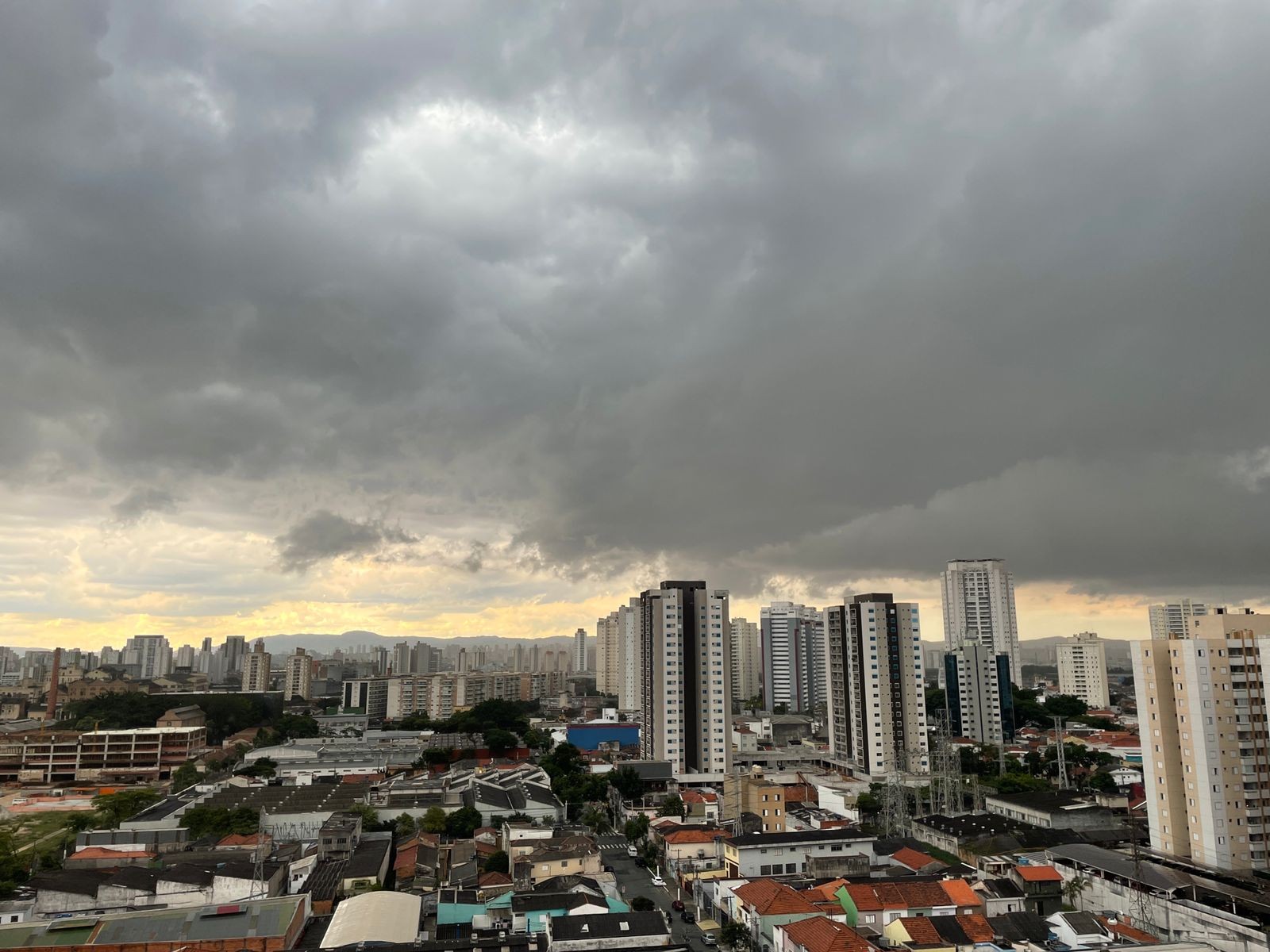
A significant change in weather is anticipated for São Paulo on Sunday, December 12th, following a sunny Saturday. A cold front is set to bring rain throughout the day, with wind gusts exceeding 40 km/h and a sharp drop in temperatures. The Municipal Center for Climate Emergency Management (CGE) forecasts light to moderate rain in the state capital, with temperatures ranging from a low of 13°C to a high of 22°C. This shift is attributed to a low-pressure system forming over the ocean near the South and Southeast regions of Brazil, which is expected to enhance instability and rainfall, particularly in Southern Brazil and São Paulo state, according to the National Institute of Meteorology (Inmet). Climatempo reports the cold front will move across the Southeast on Sunday, bringing rain to the capital, the coast, the Paraíba Valley, and much of São Paulo state, with potential for moderate to heavy downpours and thunderstorms in some areas. The influence of the cold front is expected to persist into the beginning of the following week. Isolated drizzle may occur on Monday, December 13th, before the frontal system gradually moves offshore, improving weather conditions. However, temperatures are predicted to drop further, with a cold air mass advancing across the state. In the capital, the maximum temperature on Monday is not expected to exceed 18°C, with nighttime lows potentially reaching 10°C. The low-pressure system is forecast to remain near the Southeast coast early in the week, continuing to favor rainfall along the São Paulo and Rio de Janeiro coastlines, as well as in parts of Espírito Santo and Minas Gerais.
This weather event highlights the dynamic atmospheric conditions influencing Brazil's Southeast region, driven by oceanic low-pressure systems interacting with advancing cold fronts. The interplay between these meteorological factors dictates precipitation patterns and temperature fluctuations, impacting daily life and potentially infrastructure. Understanding these cyclical weather patterns is crucial for urban planning and disaster preparedness, particularly in densely populated areas like São Paulo. As climate models evolve, anticipating the intensity and duration of such events will become increasingly vital for mitigating risks and ensuring public safety in the face of a changing global climate.
AI-generated to prompt reflection — not editorial opinion, not advice, not a statement of fact. How this works.