São Paulo Chefs Report Frequent Thefts of Tableware, Decor, and Even Ice Buckets by Diners
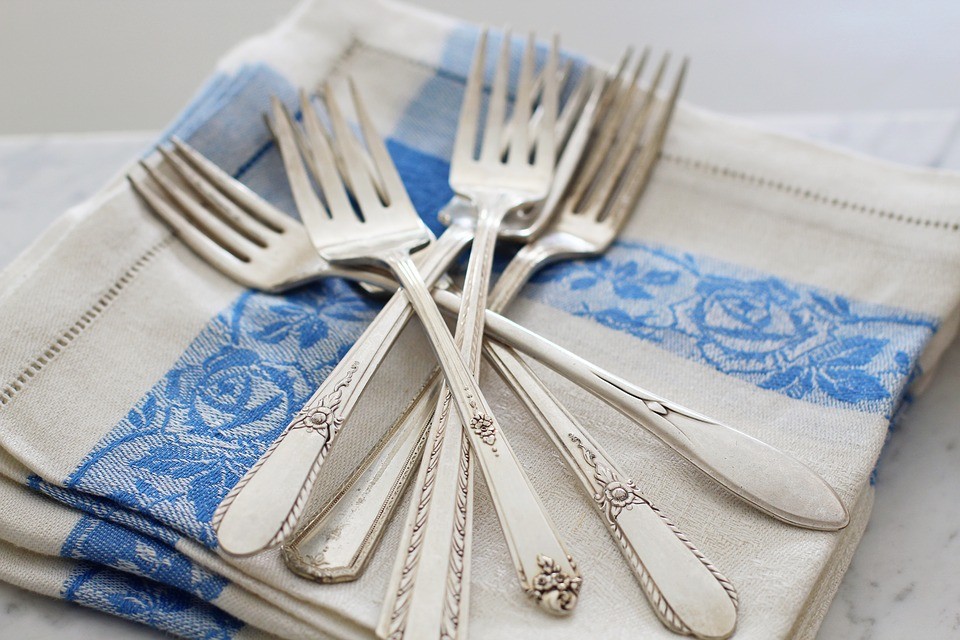
Chefs in São Paulo are experiencing a significant and growing problem with customers stealing items from their restaurants, ranging from cutlery and glassware to decorative pieces like lamps and even ice buckets. Chef Renata Vanzetto, who operates 11 establishments, revealed on social media that patrons have taken items such as silverware, plates, books, ashtrays, bill holders, and table lamps. She noted that these thefts occur even in high-end establishments and are not driven by financial necessity, with customers arriving in luxury cars and ordering expensive wine before concealing multiple items. Chef Lisandro Lauretti, with 30 years of experience, shared instances of losing 10,000 custom-made cloth napkins and approximately 100 pairs of wooden salt and pepper shakers, each costing around 60 euros. He also reported the theft of stainless steel soap dispensers from restaurant bathrooms. To mitigate losses, Lauretti's restaurants adapted by removing personalized items and training staff to clear tables of valuable accessories when serving dessert. Rafaella Wallner, co-owner of a 20-year-old bar, also detailed frequent thefts of various items, including unique glasses, Moscow Mule copper mugs, cushions, blankets, ashtrays, and even a large beer bucket, which a customer denied taking despite being seen by the manager. The Brazilian Association of Bars and Restaurants (Abrasel) acknowledges the issue as a daily and increasing concern among its members, though it lacks specific statistics. Gabriel Pinheiro, executive leader of Abrasel, explained that while some diners may view taking items as an innocent souvenir, the financial impact on restaurants with slim profit margins is substantial, as the cost of replacing a single stolen item can erase all profit from an entire table.
The widespread reporting of customer theft from restaurants in São Paulo highlights a complex social and economic dynamic. While often framed as minor transgressions or 'cute thefts,' these actions represent a tangible financial drain on businesses operating on notoriously thin profit margins. The phenomenon may reflect a societal disconnect where the perceived value of an item for personal keepsake outweighs its actual cost and the cumulative impact on a business's viability. From a systemic perspective, this behavior challenges traditional customer-business relationships and necessitates adaptive strategies from restaurateurs, potentially impacting service quality or operational costs. Future considerations might involve exploring how digital technologies or evolving service models could mitigate such losses without compromising the dining experience or unfairly burdening honest patrons.
AI-generated to prompt reflection — not editorial opinion, not advice, not a statement of fact. How this works.