São Paulo City Hall Ordered to Compensate Mother of Boy Drowned in Aricanduva Piscinão
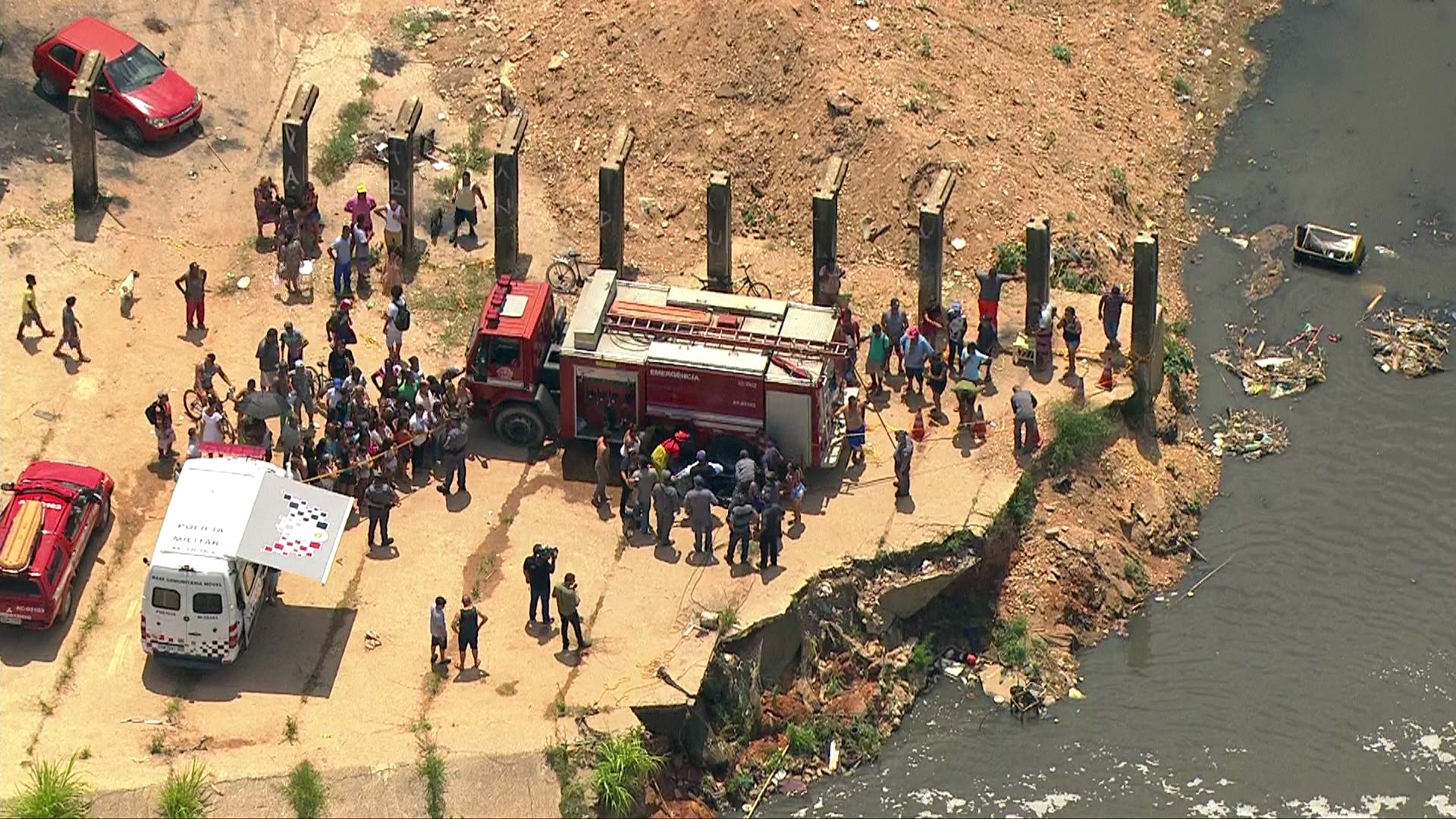
The São Paulo City Hall has been ordered to compensate the mother of a 7-year-old boy, Miguel Henrique da Silva Miranda, who drowned in the Aricanduva Piscinão (a large stormwater retention basin) in October 2019. The decision was made by the 6th Public Law Chamber of the São Paulo Court of Justice, which found the municipality responsible for the child's death. The court ruled that the city must pay R$ 150,000 in moral damages to the boy's mother. Additionally, she will receive a monthly pension equivalent to one-third of the minimum wage, covering the period from when the victim would have been 14 until 25 years old.
According to court documents, the Piscinão, managed by the city, lacked any signage or protective barriers. The reporting judge, Sidney Romano dos Reis, highlighted the public administration's negligence due to the absence of safety measures at the site, which was frequently used by the community for leisure. While acknowledging the public authority's responsibility, the judge also noted that the parents should have exercised greater caution in supervising the child, especially given his young age, mental disability, psychiatric treatment, medication use, and restless temperament. Miguel disappeared on January 29, 2019, after falling into a stream in the São Mateus region while trying to retrieve a ball. The stream leads to the Rio Aricanduva, and his body was found the following afternoon by firefighters. His mother had previously warned him about the dangers of the area.
This case underscores the critical importance of public infrastructure safety and municipal accountability. The court's ruling highlights a systemic failure in maintaining adequate safety measures at a public facility, directly contributing to a tragic loss of life. While acknowledging parental responsibility, the judgment emphasizes the state's duty to protect citizens, particularly vulnerable populations, from foreseeable risks associated with public spaces. This situation prompts reflection on how urban planning and maintenance protocols can be strengthened to prevent similar incidents, ensuring that community recreational areas do not become hazards. Future considerations should involve robust risk assessments and proactive safety investments to mitigate the consequences of negligence in public administration, aligning with evolving safety standards in the digital age.
AI-generated to prompt reflection — not editorial opinion, not advice, not a statement of fact. How this works.