São Paulo Civil Defense Warned of Storms 24 Hours Prior, Cites Public Disregard
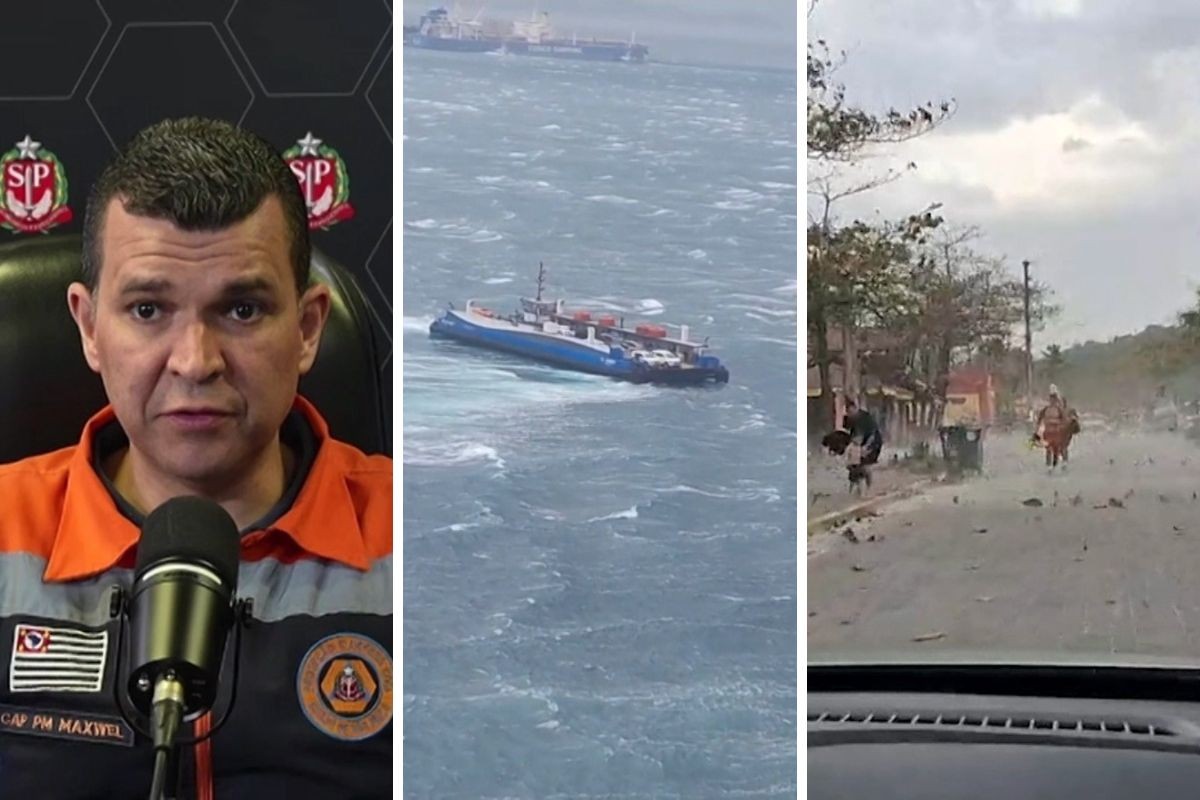
The Civil Defense of São Paulo state announced that municipalities were alerted approximately 24 hours before the severe winds that struck the state on Wednesday, November 29th. These storms resulted in one fatality, shipwrecks, and widespread damage along the North Coast. Captain Maxwel Souza stated that the warnings were issued in sufficient time for residents to evacuate risk areas, but a portion of the population disregarded them. Many individuals reportedly ignored the alerts, even when the weather was sunny, believing the Civil Defense was being untruthful. Despite these warnings, some people remained on beaches and engaged in nautical activities during the storm. Following the prediction of the phenomenon on Tuesday, November 28th, the Civil Defense convened municipal representatives and activated a crisis cabinet to prepare response teams. By Wednesday morning, the state was already mobilized. Alerts were sent to mobile phones in affected regions around noon on Wednesday as a pre-frontal system moved through the Vale do Ribeira. The captain highlighted the severe accidents in the North Coast, including a fatal shipwreck in São Sebastião and an overturned schooner with injuries in Ubatuba, noting prior advisories against nautical activities. He urged the public to heed Civil Defense warnings to prevent future tragedies. The crisis cabinet remained active on Thursday, November 30th, addressing residual issues like damaged roofs and fallen trees, with more stable weather expected from Friday, December 1st. However, Captain Souza cautioned that similar events could recur in the coming months with new cold fronts.
The event underscores a critical gap between official disaster preparedness communication and public adherence, particularly in coastal regions prone to sudden weather shifts. While the Civil Defense provided timely warnings, the narrative suggests a societal underestimation of meteorological risks, possibly influenced by immediate environmental conditions like sunshine. This highlights a broader challenge in risk communication: overcoming complacency and ensuring that alerts translate into protective actions. Future strategies might need to integrate more sophisticated public engagement methods, perhaps leveraging community leaders or employing more vivid, localized impact simulations to foster a stronger sense of urgency. The recurring nature of these weather events, as predicted, points to the need for adaptive infrastructure and long-term public education campaigns that build resilience against climate-related impacts in vulnerable areas.
AI-generated to prompt reflection — not editorial opinion, not advice, not a statement of fact. How this works.