São Paulo Civil Defense Warns of High Fire Risk in Presidente Prudente Region
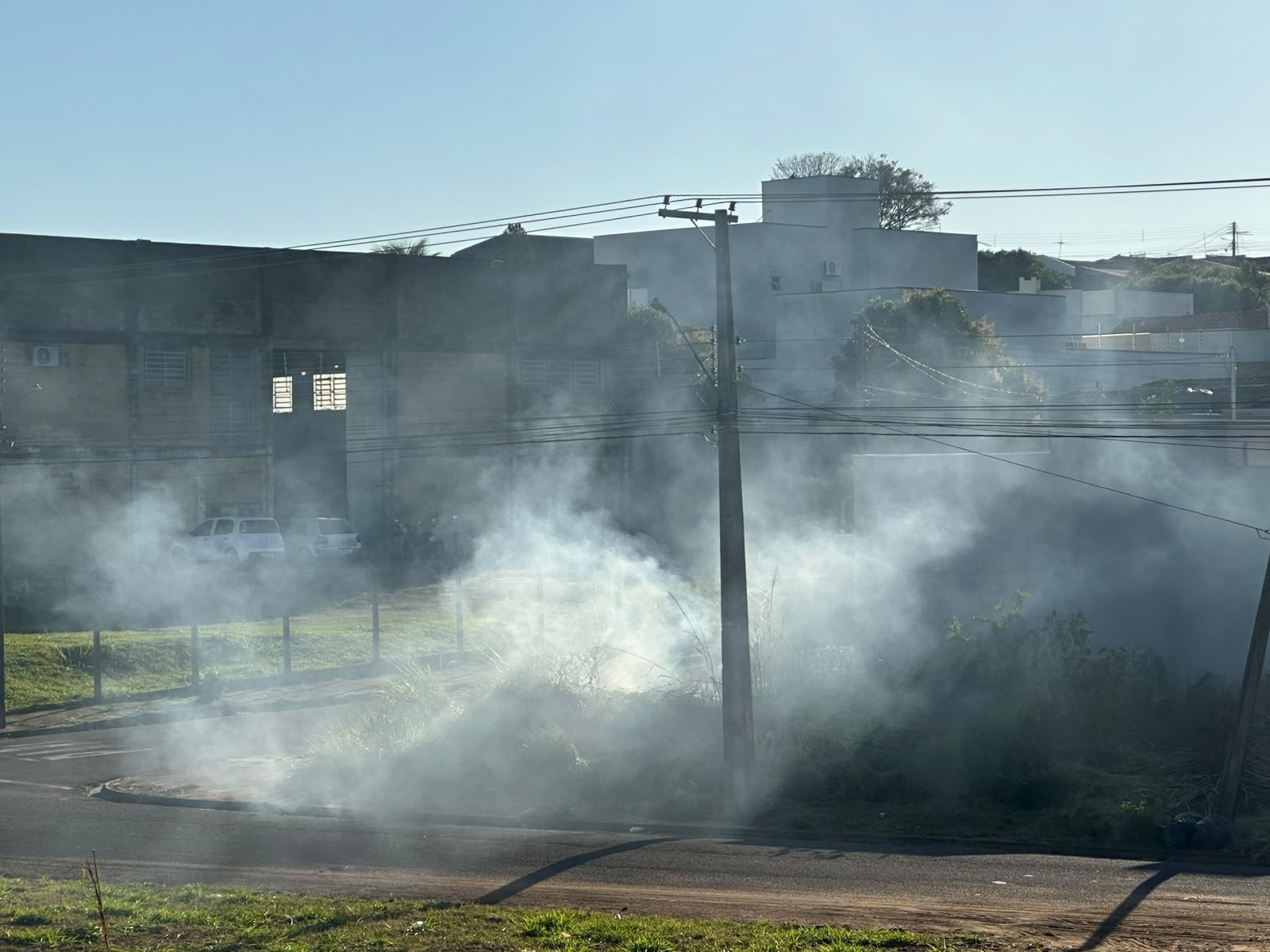
The São Paulo state Civil Defense has issued a high fire risk alert for the Presidente Prudente region and other cities in western São Paulo, effective until Friday, February 17th. This warning comes as the area experiences a combination of dry air masses, low humidity, and a lack of rainfall, significantly increasing the likelihood of wildfires. On Thursday, February 16th, a fire incident was reported at a branch deposit in Presidente Prudente, highlighting the immediate danger. Civil Defense officials emphasize that approximately 90% of fires are caused by human actions, including negligence and intentional acts such as burning trash, discarding cigarette butts near roads, making bonfires close to vegetation, and launching balloons. Burning trash is explicitly prohibited by environmental law and can be considered an environmental crime, leading to administrative, civil, and criminal penalties, including fines. The resulting smoke exacerbates respiratory problems and degrades air quality. Between January and July of this year, the Fire Department recorded 376 natural vegetation fires, 20 cultivated vegetation fires, and 179 trash fires in western São Paulo. The region also saw 90 residential fires with eight victims and one fatality, and 89 vehicle fires with two victims. To combat these incidents, the São Paulo government has increased penalties for illegal fire use in rural areas, with fines starting at R$3,000 per hectare, potentially rising to R$6,000 for fires in protected zones. The law stipulates prison sentences of one to four years, or one to five years in more severe cases, for causing pollution that harms human health or significantly damages flora. The Civil Defense advises the public to avoid all types of burning during dry periods and to report any smoke or fire outbreaks immediately to the Fire Department (193) or Civil Defense (199).
The heightened fire risk in Presidente Prudente, attributed to dry weather and human activity, underscores a recurring challenge in regions with significant vegetation and agricultural practices. The official data indicating 90% of fires stem from human causes, ranging from negligence to intentional acts, points to a critical need for enhanced public education and enforcement of environmental regulations. Stricter penalties, such as increased fines and potential imprisonment, aim to deter harmful practices. However, the effectiveness of these measures will depend on consistent application and the accessibility of alternative waste management and land clearing methods for the population. Looking ahead, as climate patterns potentially lead to more prolonged dry seasons, proactive strategies integrating community engagement, technological monitoring, and sustainable land management will be crucial for mitigating future risks and protecting both the environment and public health.
AI-generated to prompt reflection — not editorial opinion, not advice, not a statement of fact. How this works.