São Paulo Civil Defense Warns of Strong Winds Up to 90 km/h and Heavy Rain
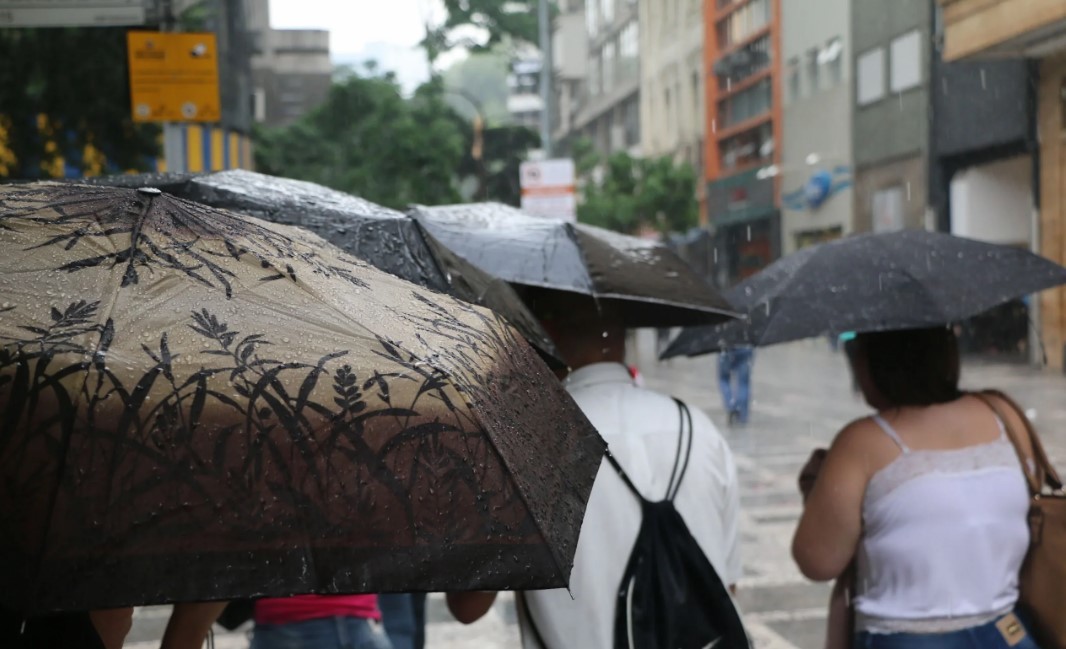
The Civil Defense of the State of São Paulo has issued a warning for an incoming cold front expected to bring heavy rain and intense wind gusts across the state between Wednesday, November 29th, and Thursday, November 30th. In response, the agency will activate its Crisis Management Center in person to enhance meteorological monitoring and expedite responses to potential incidents. The primary concern is the wind's intensity, with gusts potentially reaching nearly 90 km/h in the São Paulo Metropolitan Region and the Baixada Santista. Other regions of the state may experience winds exceeding 70 km/h, particularly during the front's passage and in areas with developing thunderstorms. Moderate to heavy rain, accompanied by lightning, is also anticipated. Coastal areas face the additional risk of rough seas and maritime agitation. These combined phenomena increase the likelihood of fallen trees, roof damage, structural failures, power outages, and disruptions to urban mobility. The Baixada Santista region should also monitor potential impacts on port operations. As a precautionary measure, the Civil Defense is holding a meeting with regional and municipal agencies on Tuesday, November 28th, to review the weather forecast, align preparedness strategies, and ensure resources are ready for immediate deployment. The public is advised to avoid wooded areas during high winds, refrain from parking vehicles under trees, and stay clear of metallic structures, fragile coverings, and loose objects. During thunderstorms, seeking safe shelter away from open areas is recommended, and drivers on highways should exercise extreme caution due to potential falling debris and reduced visibility. The Civil Defense's Emergency Management Center will monitor the situation and issue further alerts as needed. Emergency services can be contacted via phone at 199 (Civil Defense) and 193 (Fire Department).
The impending severe weather event in São Paulo highlights the critical role of proactive civil defense in mitigating risks associated with extreme meteorological phenomena. The coordinated response, including the activation of a crisis cabinet and inter-agency meetings, demonstrates a systemic approach to disaster preparedness. This event underscores the increasing frequency and intensity of such weather patterns, potentially linked to broader climate shifts, necessitating continuous investment in resilient infrastructure and public awareness campaigns. Future preparedness strategies should consider advanced forecasting integration and adaptive urban planning to minimize economic and social disruptions from events like high winds and heavy rainfall.
AI-generated to prompt reflection — not editorial opinion, not advice, not a statement of fact. How this works.