São Paulo Coast: 45 Beaches Unfit for Swimming, Cetesb Reports
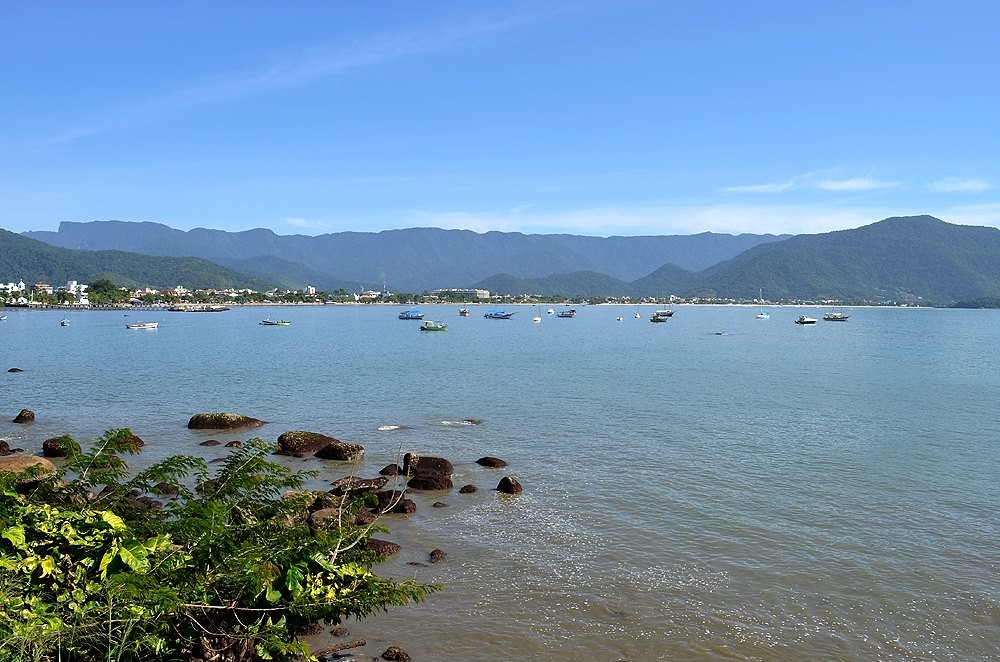
The São Paulo coast currently has 45 beaches deemed unsuitable for swimming, according to a survey released on Thursday, July 16th, by the Environmental Company of the State of São Paulo (Cetesb). The North Coast has 11 beaches classified as improper for bathing, while the South Coast has 34 such beaches. Cetesb conducts weekly analyses of water samples to determine beach suitability, focusing on bacterial content. A beach is declared unfit for swimming if more than 100 colonies of bacteria are found per 100 milliliters of water. These locations are then marked with red flags to warn the public of potential health risks. The next update on beach conditions is scheduled for July 23rd. Specific beaches listed as unfit include Itaguá (both sections) and Perequê-Mirim in Ubatuba; Centro, Cocanha, and Indaiá in Caraguatatuba; Pontal da Cruz, Prainha, Deserta in São Sebastião; Sino, Itaquanduba, and Itaguaçu in Ilhabela; Ponta da Praia and Embaré in Santos; Boqueirão in Aparecida; Perequê, Enseada (multiple sections), Guaiúba, and Astúrias in Guarujá; and numerous beaches across Praia Grande, Itanhaém, Mongaguá, and São Vicente. Cetesb's advisory strongly recommends against swimming in waters marked with red flags due to potential health hazards.
This report highlights a recurring public health and environmental challenge concerning coastal water quality in São Paulo. The Cetesb's regular monitoring and public advisories are crucial for informing beachgoers and mitigating health risks associated with contaminated water. The identification of numerous beaches as unfit for swimming, based on bacterial levels, points to potential issues with sewage treatment, stormwater runoff, or other pollution sources impacting these popular recreational areas. Moving forward, a systemic approach focusing on infrastructure investment for improved sanitation and wastewater management, alongside enhanced land-use planning to reduce pollution runoff, will be vital. Understanding the long-term implications of climate change on coastal ecosystems and water quality may also necessitate adaptive strategies to ensure the sustained usability and ecological health of these valuable coastal resources.
AI-generated to prompt reflection — not editorial opinion, not advice, not a statement of fact. How this works.