São Paulo Coast and Vale Region Recovering After Strong Winds; Sun Returns
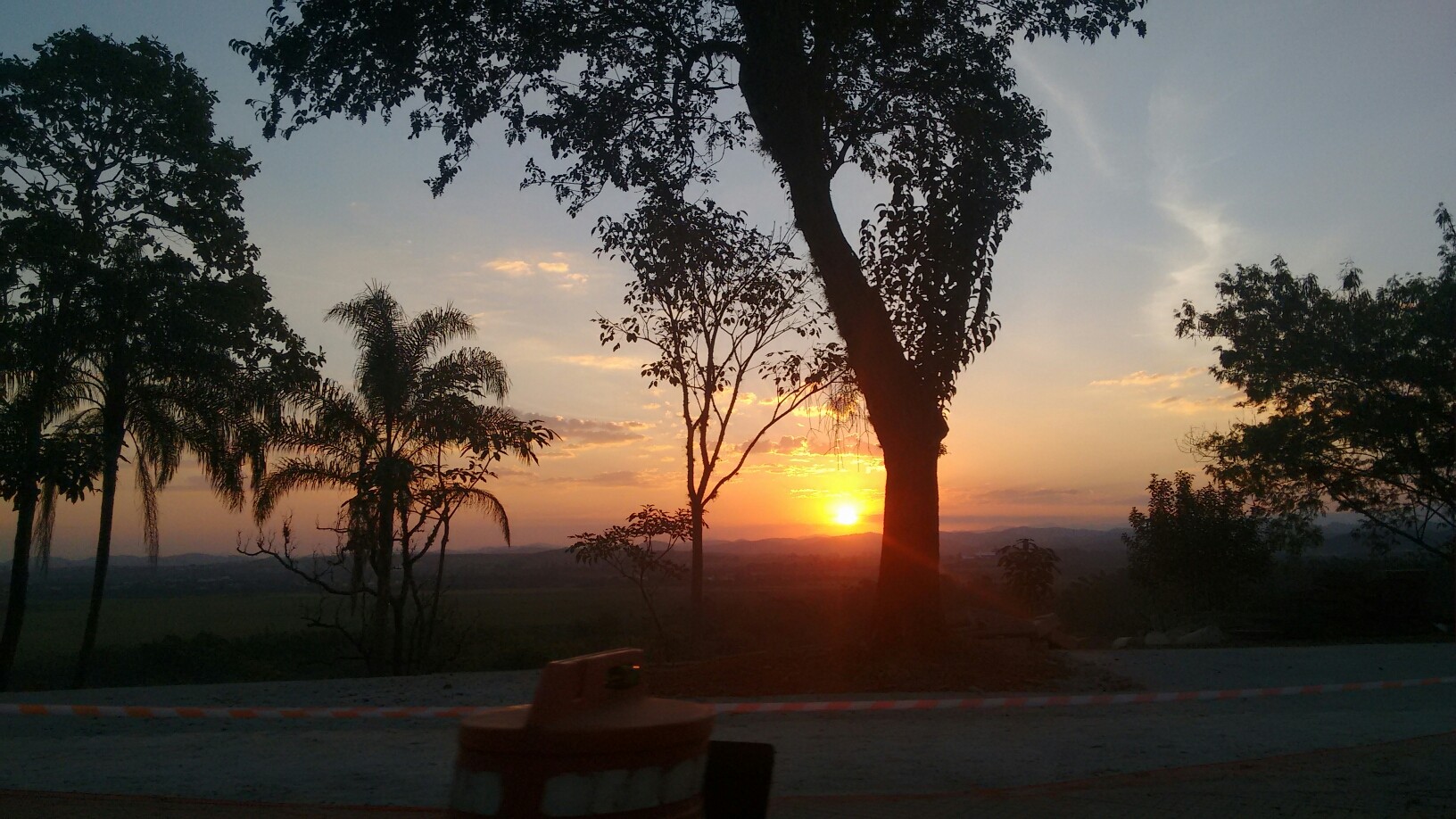
Following powerful winds with gusts up to 90 km/h that caused damage across the North Coast and parts of the Paraíba Valley in São Paulo, sunny skies and milder temperatures are expected to return starting Thursday, May 30th. The State Civil Defense reported that the cold front responsible for the strong winds is weakening and moving away from the state. The system, which is currently concentrated over Paraná in the South region, is causing temperature drops, rain, and wind gusts there.
The North Coast, the São Paulo Metropolitan Region, and the state capital were the most impacted areas. Incidents included fallen trees, damaged roofs, and issues with poles and energized wires. Tragically, the strong winds led to three deaths across the state. In São Sebastião, a 50-year-old man died after his fishing boat capsized in the São Sebastião Channel. In Ubatuba, another vessel sank, leading to the rescue of 13 individuals by the Mobile Emergency Care Service (Samu). The Civil Defense advises the public to exercise caution during periods of intense wind, recommending avoiding areas near the sea and beaches, and refraining from parking vehicles under trees or poles that could be affected by strong gusts.
The event highlights the vulnerability of coastal and valley regions to extreme weather phenomena, exacerbated by the interaction of weather systems. While the immediate response focused on damage control and rescue, a longer-term perspective should consider infrastructure resilience and early warning systems tailored to specific regional risks like high winds and maritime hazards. As climate patterns evolve, understanding the interplay between atmospheric conditions and local geography becomes crucial for mitigating future impacts on communities and economic activities, such as maritime transport and tourism. Proactive urban and coastal planning that accounts for increased weather volatility can reduce the human and economic toll of such events.
AI-generated to prompt reflection — not editorial opinion, not advice, not a statement of fact. How this works.