São Paulo Coast Businesses Anticipate Sales Boost for July 9th Holiday
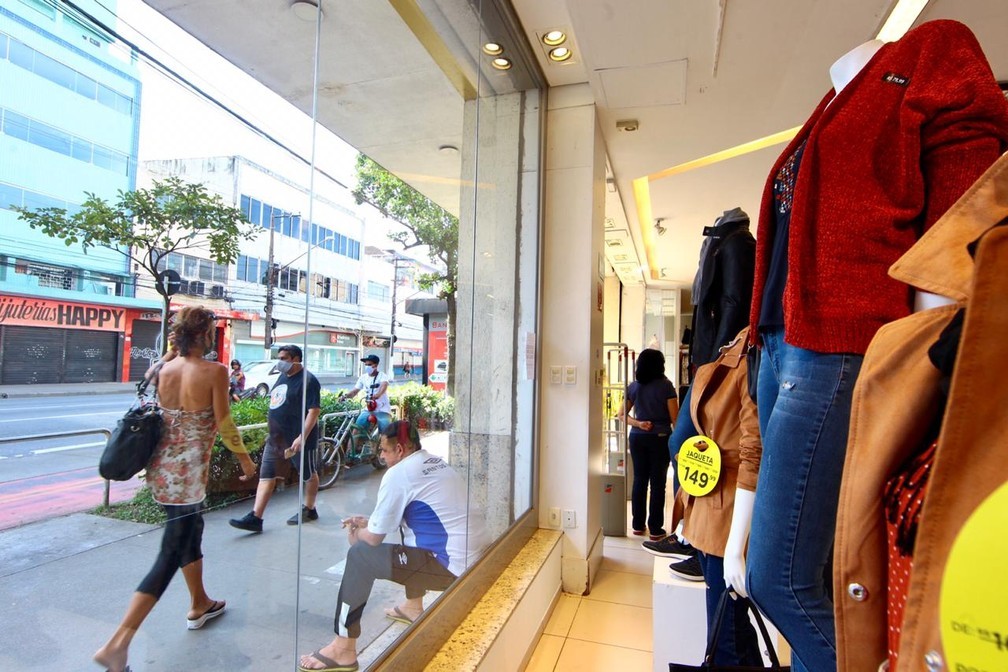
Retail businesses along the São Paulo coast, specifically in the Baixada Santista region, are anticipating a significant increase in sales for the upcoming July 9th state holiday, commemorating the 1932 Constitutionalist Revolution. A survey conducted by the Retail Trade Union of Baixada Santista and Vale do Ribeira (Sincomércio) indicates a potential sales growth of up to 4% compared to the same period in 2025. The study, which polled 150 business owners and consumers in the Baixada Santista, identified key sectors expected to see the highest activity. These include food and beverages (61%), supermarkets (46%), clothing and sporting goods (31%), convenience stores and bakeries (28%), and barbecue and leisure items (23%).
The survey, conducted between June 18th and 30th, also revealed preferred payment methods, with PIX being the most popular at 51%. Credit cards followed at 32%, with debit cards at 13%, and other methods like digital wallets and cash accounting for 4%. Beyond the holiday itself, establishments had also hoped for a larger boost from a potential Brazilian national team match on July 11th, which did not materialize. However, Sincomércio suggests that the ongoing World Cup could still stimulate consumption due to the traditional engagement of Brazilian fans with decisive tournament stages, even without their national team's participation.
The anticipation of increased sales for the July 9th holiday reflects a common economic pattern where public holidays and extended weekends drive consumer spending, particularly in tourist-frequented areas like the São Paulo coast. The reliance on PIX and credit cards for transactions highlights the ongoing digital transformation of payment systems in Brazil. While the absence of a Brazilian national team match in the World Cup may have tempered expectations for an even larger economic uplift, the underlying cultural habit of engaging with major sporting events suggests that consumption patterns can be influenced by broader global events, independent of direct national team involvement. This presents a dynamic where businesses must remain agile, adapting to both scheduled holidays and the unpredictable, yet culturally significant, ripple effects of international sporting spectacles.
AI-generated to prompt reflection — not editorial opinion, not advice, not a statement of fact. How this works.