São Paulo Coast Under Danger Alert for Strong Winds and Heavy Rain
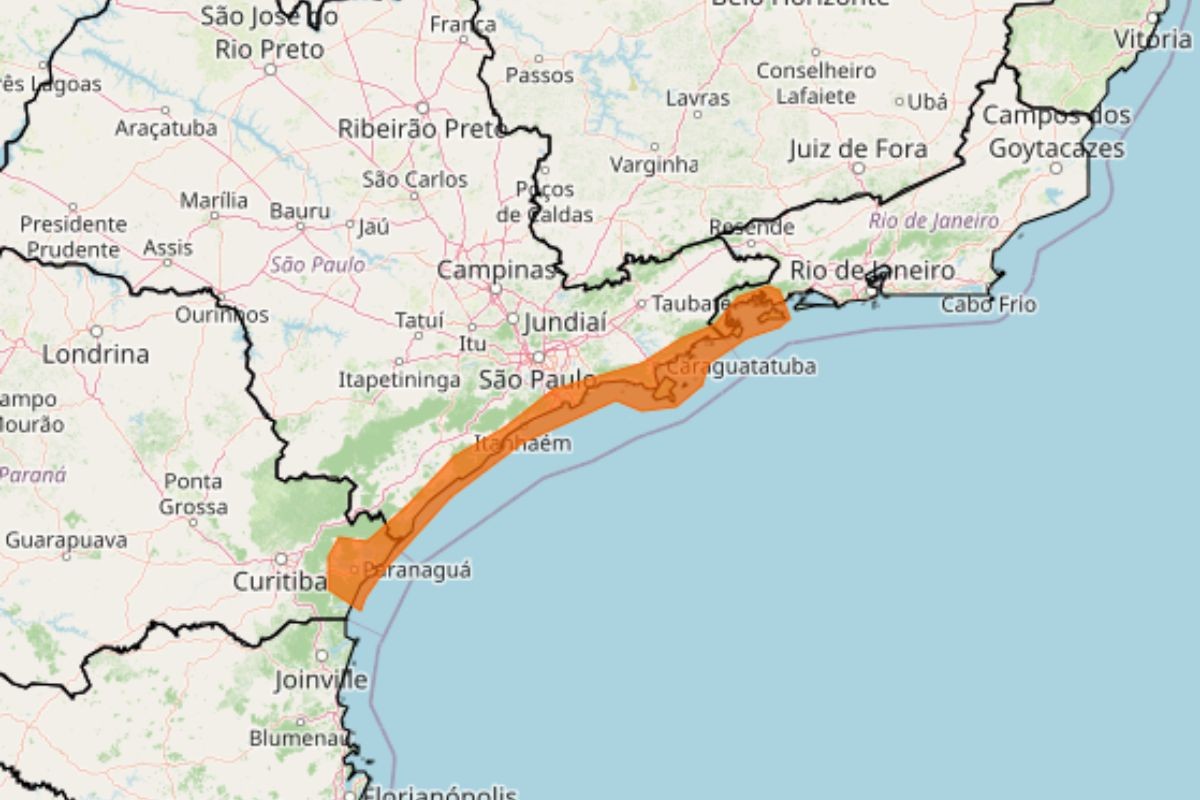
The National Institute of Meteorology (Inmet) has issued a danger alert for coastal winds affecting the North Coast of São Paulo, valid throughout Wednesday, November 29th. The alert covers the municipalities of Caraguatatuba, São Sebastião, Ilhabela, and Ubatuba, as well as Bertioga in the Baixada Santista region. This alert is classified as the second-highest severity level by Inmet. Concurrently, the State Civil Defense agency predicts that a cold front will bring heavy rains and intense wind gusts from Wednesday, November 29th, through Thursday, November 30th. The coast can expect increased maritime agitation and a risk of storm surges. Wind gusts are anticipated to reach up to 90 km/h in Baixada Santista and exceed 70 km/h in other state areas, particularly during the cold front's passage and in regions experiencing thunderstorms. In response, the Civil Defense will activate a Crisis Cabinet to monitor weather conditions and coordinate response efforts with municipalities and essential service providers. The combination of strong winds and rain heightens the risk of falling trees, roof damage, impacts on vulnerable structures, power outages, and traffic disruptions. Residents are advised to avoid wooded areas during high winds, not park vehicles under trees, maintain distance from unstable structures, secure loose outdoor objects, and seek safe shelter during lightning storms.
The issuance of a danger alert for coastal winds and heavy rainfall in São Paulo highlights the increasing frequency and intensity of extreme weather events, likely exacerbated by climate change dynamics. The coordinated response involving Inmet and the State Civil Defense, including the activation of a Crisis Cabinet, demonstrates a necessary systemic approach to disaster preparedness. However, the recurring nature of such warnings underscores a broader challenge: the need for resilient infrastructure and urban planning that can better withstand these predictable meteorological threats. Future mitigation strategies should focus on long-term adaptation measures, such as improved building codes, enhanced early warning dissemination, and public education campaigns, to reduce societal vulnerability and economic impact beyond immediate emergency responses.
AI-generated to prompt reflection — not editorial opinion, not advice, not a statement of fact. How this works.