São Paulo Coast Vacation Rentals Surge Up to 166% During July Holidays
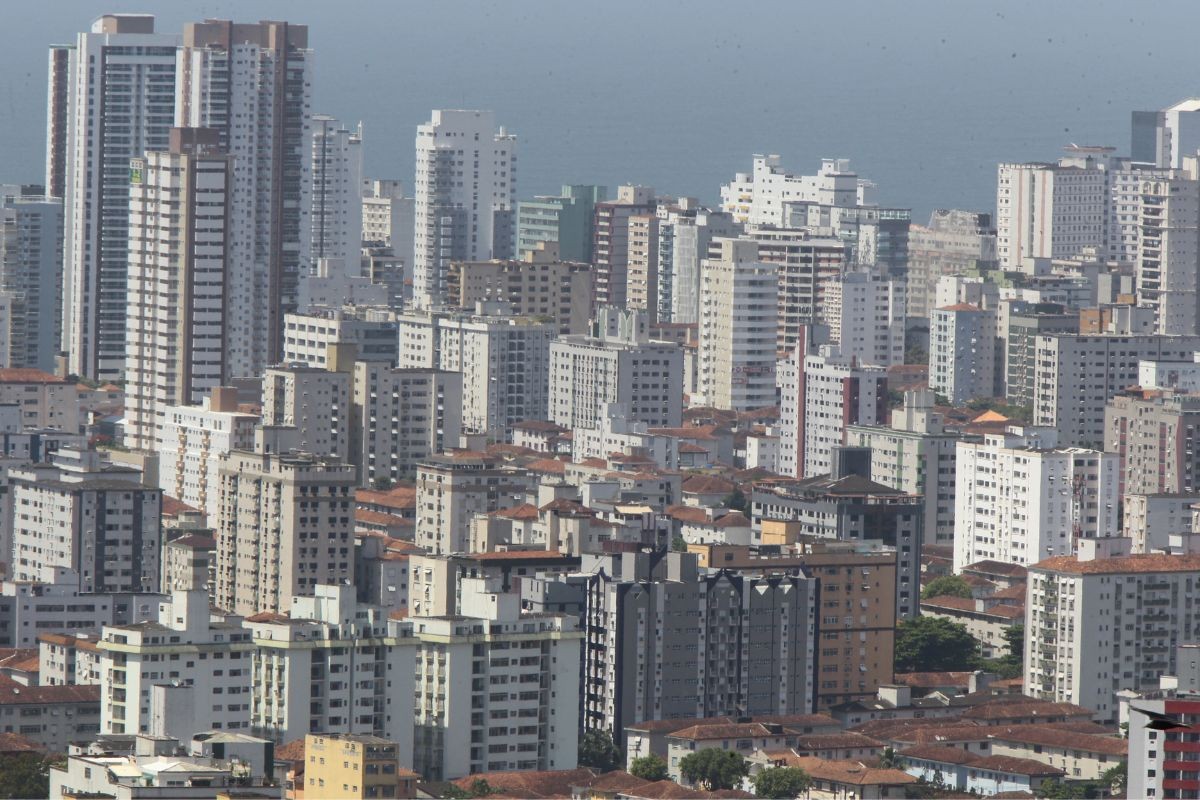
Vacation rental prices along the São Paulo coast experienced a significant increase during the July holidays, with some apartments in Santos, Guarujá, and São Vicente seeing rates jump by as much as 166% compared to the previous year. A survey by the Regional Council of Real Estate Brokers of São Paulo (Crecisp), involving 34 real estate agencies, revealed that the average daily rate for two-bedroom apartments in these cities rose from R$480 to R$1,280. One-bedroom apartments saw their daily rates increase from R$387 to R$490, and three-bedroom units climbed from R$1,000 to R$1,400. For houses, three-bedroom properties experienced the largest appreciation, with daily rates moving from R$1,325 to R$1,800. Conversely, four-bedroom houses saw a decrease in daily rental prices, falling by 18.96% from R$2,900 to R$2,350.
The Southern Coast region, encompassing Praia Grande, Mongaguá, Itanhaém, and Peruíbe, was identified as a more budget-friendly destination. Here, while two-bedroom houses increased by 66.66% to R$650 per day (up from R$390), and four-bedroom houses reached R$1,160, apartment rentals generally decreased. Two-bedroom apartments, for instance, dropped from R$458 to R$375 daily, with overall apartment price reductions ranging between 10% and 20%. Crecisp attributes these price fluctuations to a combination of economic, social, and behavioral factors, including moderating inflation, increased household budget selectivity, a trend towards family group travel, the growth of experiential tourism, and a demand for properties with better infrastructure.
The reported surge in July vacation rental prices on the São Paulo coast, particularly in prime locations like Santos, Guarujá, and São Vicente, reflects a complex interplay of supply, demand, and evolving consumer behavior. While the data highlights significant price appreciation for certain property types, it also points to regional variations and even price corrections in others, suggesting a dynamic market rather than a uniform increase. Factors such as inflation deceleration and increased selectivity in household spending, as cited by Crecisp, may paradoxically drive demand towards perceived value or specific experiences, leading to price increases for desirable properties. The observed trend towards group travel and demand for better infrastructure could indicate a shift in vacation preferences, favoring properties that can accommodate larger families or offer enhanced amenities, thus commanding higher rates. Looking ahead, the sustainability of these price increases will likely depend on broader economic conditions, potential regulatory responses to rental market volatility, and the ongoing adaptation of the tourism sector to post-pandemic travel patterns and technological advancements in property management and booking platforms.
AI-generated to prompt reflection — not editorial opinion, not advice, not a statement of fact. How this works.