São Paulo Confirms 14th Measles Case in 2026; Unvaccinated Infant Affected
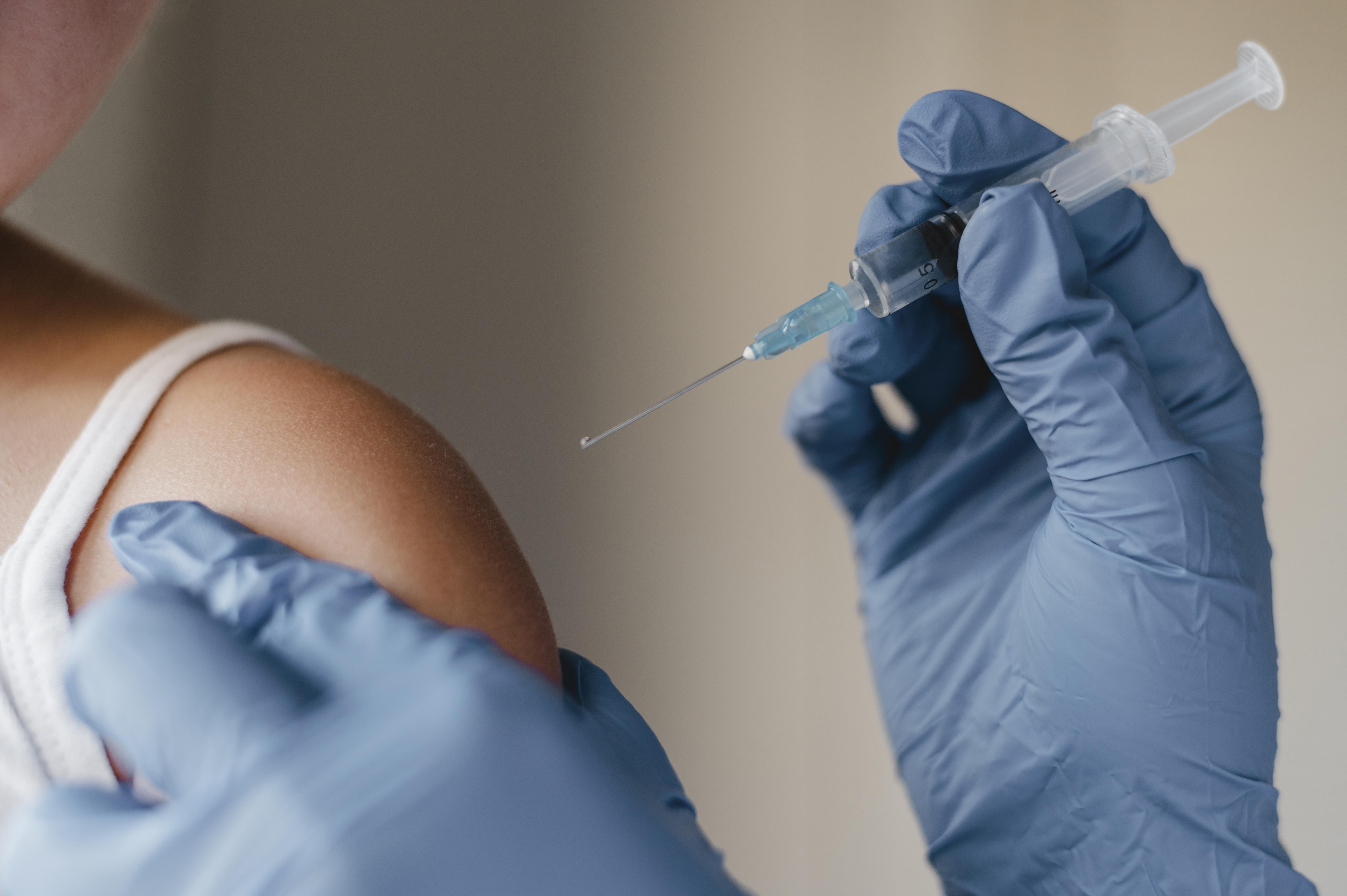
The São Paulo State Health Secretariat has confirmed an additional measles case in the state, bringing the total to 14 infections in 2026. The newly identified case is an unvaccinated male infant under one year old, residing in the state capital. This year's confirmed cases include infants up to two years old and adults aged between 20 and 50. The secretariat emphasizes the critical importance of maintaining up-to-date vaccinations across all age groups. As a preventive measure, a "zero dose" of the MMR (measles, mumps, rubella) vaccine is recommended for infants aged 6 to 11 months and 29 days in São Paulo, Guarulhos, and São Bernardo do Campo. Tatiana Lang, director of the Center for Epidemiological Surveillance (CVE-SP), highlighted vaccination as the most effective prevention method and urged parents and guardians to check children's vaccination records, while adolescents and adults should update their status at health units. The zero dose is an additional protection and does not replace routine vaccination schedules, which include the first MMR dose at 12 months and the second dose, preferably with the tetravalent vaccine, at 15 months. The state's first-dose MMR vaccination coverage is currently 77.5%, and the second dose coverage is 65.5%, falling short of the 95% target for both doses. Routine vaccination recommendations also extend to children, adolescents, and adults who need to complete their vaccination schedules.
The confirmation of a 14th measles case in São Paulo in 2026, particularly involving an unvaccinated infant, underscores a persistent public health challenge related to vaccine hesitancy and coverage gaps. Despite the availability of highly effective vaccines, the state's vaccination rates for MMR are significantly below the 95% target required for herd immunity. This situation highlights the complex interplay of public health messaging, access to healthcare, and individual or parental decision-making regarding vaccination. The secretariat's strategy of recommending a "zero dose" for specific age groups and geographical areas indicates a reactive approach to outbreaks, while the broader challenge lies in ensuring consistent routine vaccination across all demographics. Future public health efforts may need to explore innovative strategies to address underlying reasons for incomplete vaccination, thereby strengthening community resilience against preventable diseases in the long term.
AI-generated to prompt reflection — not editorial opinion, not advice, not a statement of fact. How this works.