São Paulo Confirms Eighth Rabid Bat Case of 2026 in Pinheiros
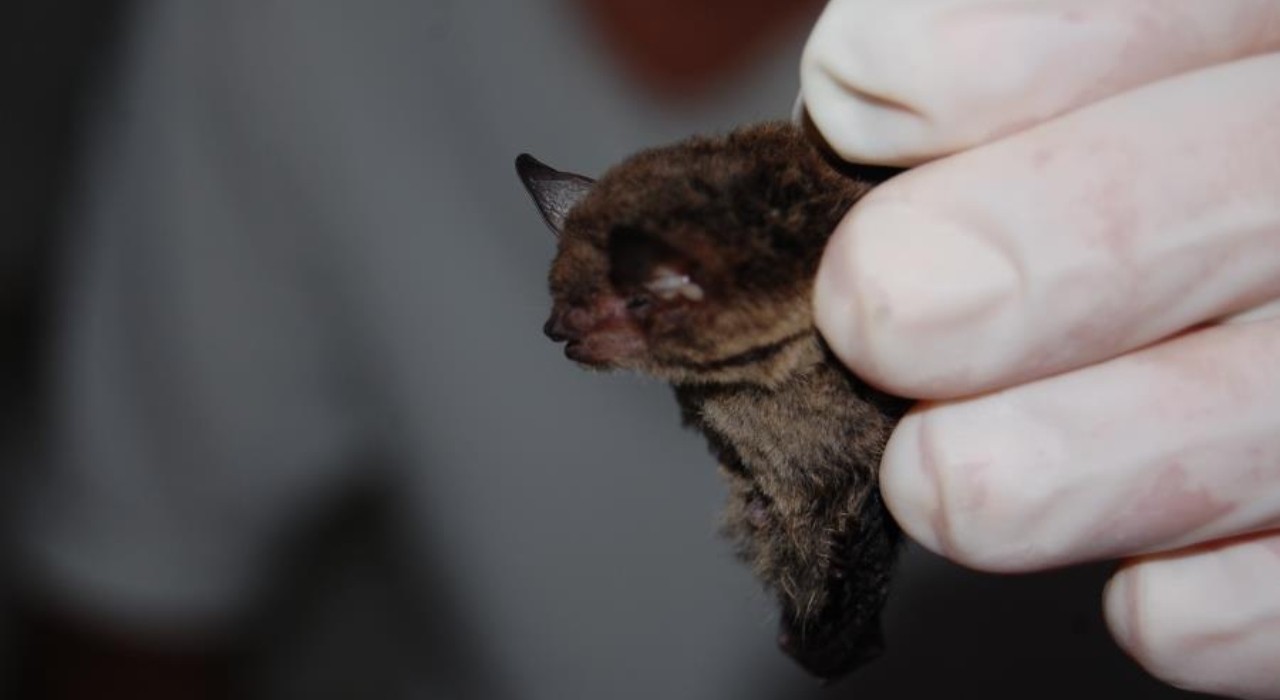
The São Paulo City Hall has confirmed an eighth case of rabies in a bat in the capital this year. The infected bat was discovered in the Alto de Pinheiros neighborhood, located in the West Zone of the city, during the past week. Previous cases in 2026 were reported in Santa Cecília (Center Zone), Capela do Socorro and Santo Amaro/Cidade Ademar (South Zone), and Guaianases (East Zone). The Municipal Health Secretariat's Division of Zoonoses Surveillance (DVZ) stated that rabies in bats is an occasional occurrence, as the virus circulates naturally within this species. In response to confirmed cases, city teams conduct educational outreach to inform the public about prevention. Key recommendations include avoiding contact with bats found on the ground, flying during the day, inside buildings, or exhibiting unusual behavior. Human transmission can occur through bites, scratches, or licks from mammals capable of transmitting the rabies virus; for bats, even simple contact can lead to transmission. The DVZ advises covering a found bat with a cloth or box to safely contain it without direct hand contact and to request its removal via SP156 or the city's online portal. Pet owners are urged to keep their dogs and cats up-to-date with rabies vaccinations, which remain mandatory annually by law. This vaccination is crucial for maintaining disease control and protecting both animals and humans. Free rabies vaccinations are available at the permanent Zoonoses Surveillance post in Santana, as well as at 18 other fixed locations across the city, with details accessible on the city's website.
The confirmation of rabies in bats in São Paulo highlights the ongoing public health challenge of zoonotic disease surveillance and control. While the virus circulates naturally in bat populations, each confirmed case necessitates proactive public education and accessible preventative measures. The city's strategy of educational outreach, safe containment protocols, and mandated pet vaccination aims to mitigate transmission risks. From a systemic perspective, maintaining robust surveillance networks and ensuring widespread access to free animal and human rabies prophylaxis are critical for preventing outbreaks. The long-term challenge involves balancing natural ecological cycles with human safety, particularly as urban environments expand and human-wildlife interactions increase. Continued investment in public health infrastructure and community engagement will be essential to adapt to these evolving dynamics.
AI-generated to prompt reflection — not editorial opinion, not advice, not a statement of fact. How this works.