São Paulo Court Allows Sales of Luxury Apartments Built Without Permits
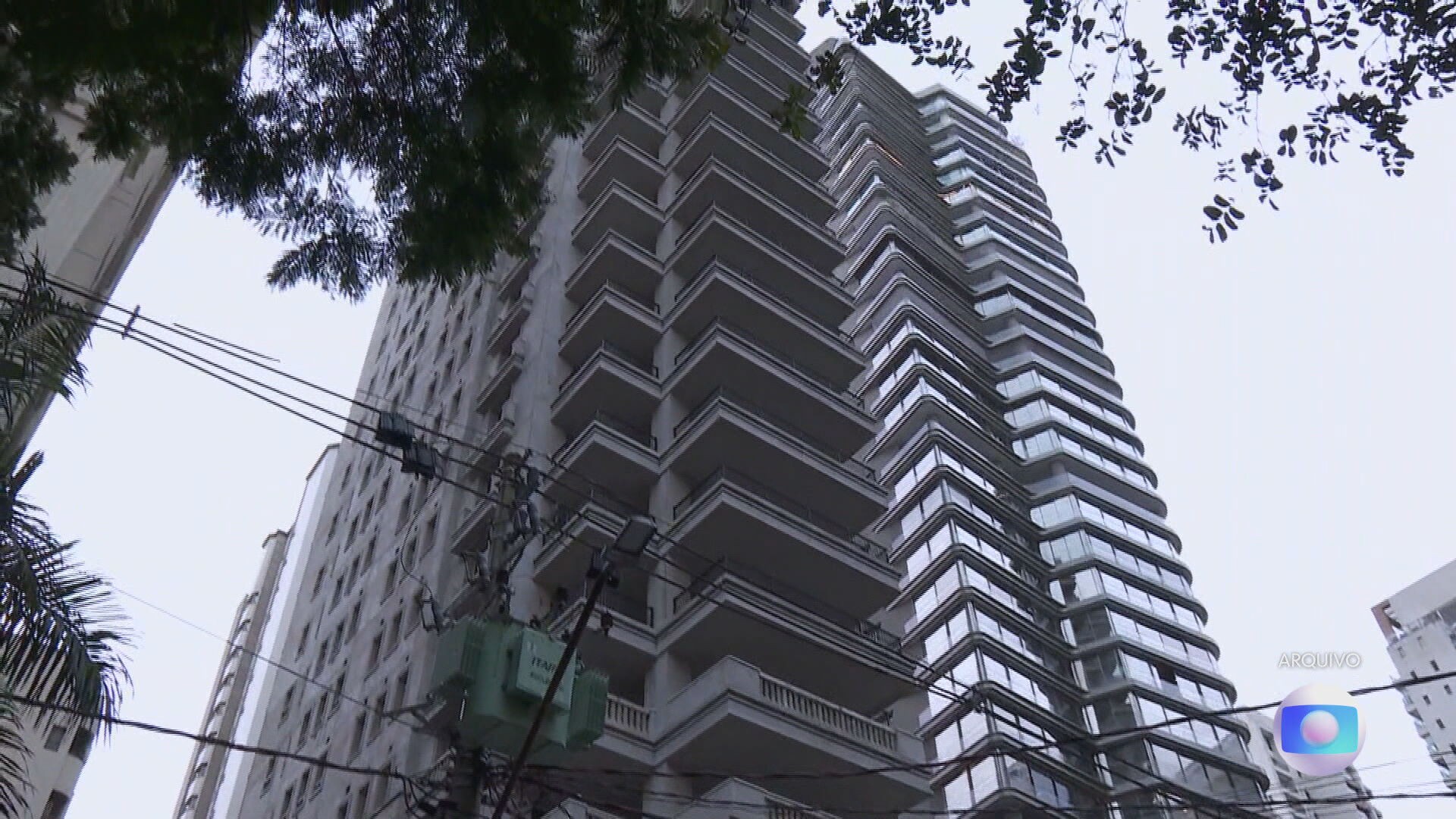
A São Paulo court has authorized the resumption of sales for luxury apartments in a building constructed without permits in the Itaim Bibi neighborhood. The decision was made by Judge José Orestes de Souza Nery, who lifted the ban on advertising and selling the units. This follows a prior ruling that allowed construction work to resume. The building, with 19 floors, had been under embargo since 2023 after it was revealed to have been erected without proper municipal authorization in a highly valued area of the city. The developer, Construtora São José, responsible for the St. Barths Itaim project, paid a R$ 29.4 million fine to regularize the urbanistic issues. The company had argued that the sales restriction was disproportionate, especially since the building was near completion when construction was halted. The regularization process involved obtaining Certificates of Additional Construction Potential (Cepacs) and paying a significant fine, amounting to 45% of the title's price. The building's construction began years before the irregularity was discovered, with visible progress documented as early as 2015 and the main structure erected by March 2020. The city had initially sought the building's demolition and a halt to sales, citing a lack of permits and structural safety oversight. While demolition was denied due to its irreversible nature, sales and advertising were prohibited. The mayor had expressed surprise at the scale of the unpermitted construction. An investigation into municipal employees led to the dismissal of one server for inadequate oversight.
This case highlights a significant lapse in municipal oversight and regulatory enforcement, allowing a large-scale luxury development to proceed for years without essential permits. The eventual regularization, achieved through substantial fines and the acquisition of required urbanistic titles, suggests a system that may prioritize financial penalties over proactive prevention. The judicial decisions, first allowing construction and then sales, appear to weigh the economic implications and near-completion status against the initial illegality, potentially creating a precedent where significant financial penalties can retroactively legitimize unpermitted development. Looking ahead, the incident underscores the need for robust, real-time monitoring and accountability mechanisms within urban planning and construction permit processes to prevent such situations and ensure public safety and adherence to zoning laws from the outset, rather than relying on post-facto remediation.
AI-generated to prompt reflection — not editorial opinion, not advice, not a statement of fact. How this works.