São Paulo Court Orders City Hall to Respond to Lawsuit Against School Privatization Plan
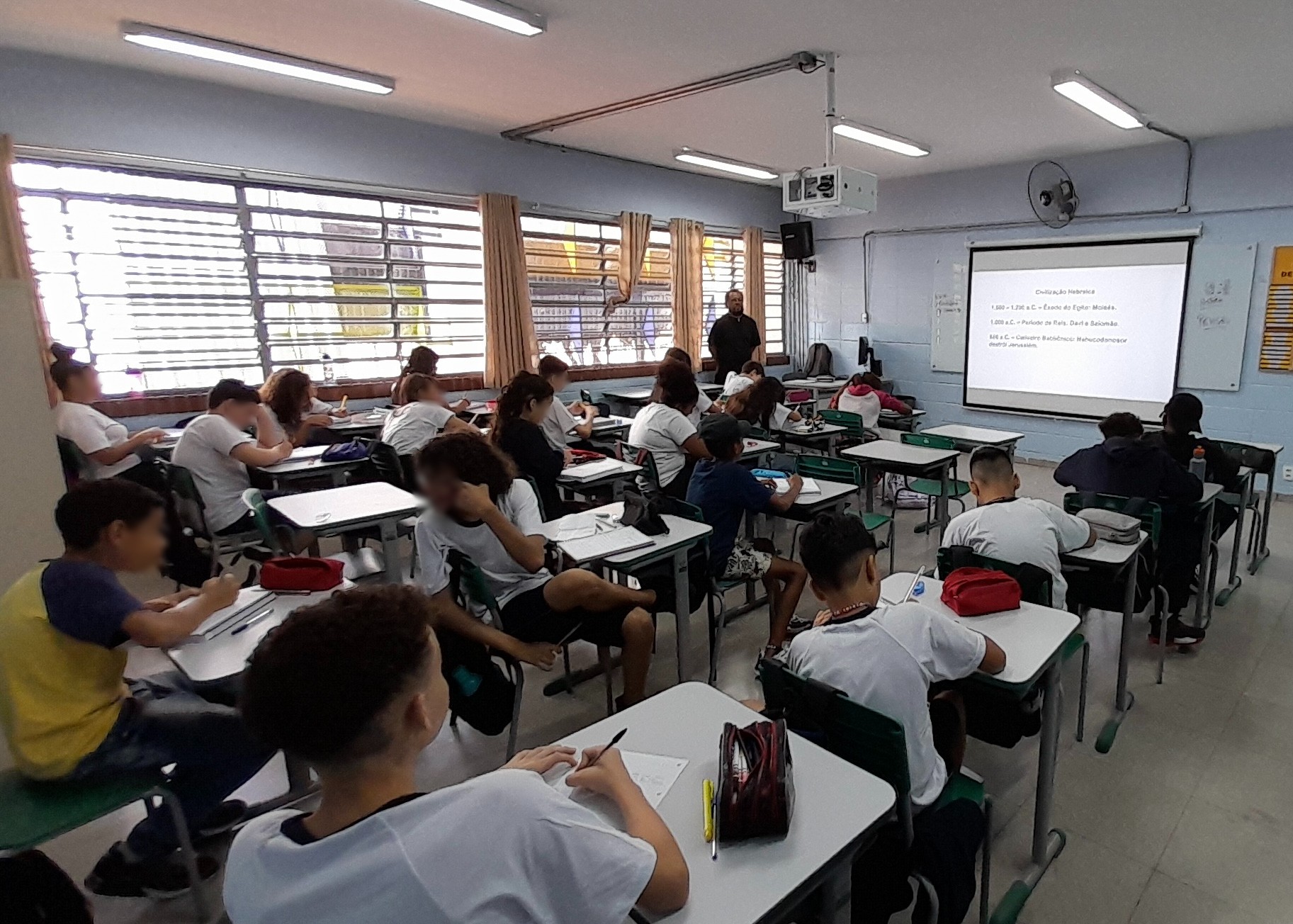
A São Paulo court has given the city's municipal government 72 hours to respond to a popular lawsuit challenging a plan to outsource the management of three public schools. The lawsuit, filed by PSOL lawmakers, argues that the city's bid to select Civil Society Organizations (OSCs) to manage these schools constitutes an illegal privatization of the municipal education system. The court found the initial petition legally sound and has ordered the city to present its defense. Following this, the case will proceed to the Public Prosecutor's Office for an opinion on the urgency request before a judge makes a decision on a preliminary injunction. The city plans to contract OSCs for five-year terms, with an estimated investment of R$102.8 million for the three elementary schools in Parelheiros, Pedreira, and Jaraguá. These schools will remain public, free, and part of the municipal network. Under the proposed model, selected OSCs would handle pedagogical, administrative, and infrastructure tasks, including hiring staff and maintaining facilities. However, the Municipal Secretariat of Education would retain responsibility for educational policy, pedagogical supervision, and learning assessments. The city would also continue to provide school meals, transportation, uniforms, and educational materials. Critics, like councilwoman Silvia Ferraro, argue this model violates constitutional provisions on public education funding and the principle that public schools should be maintained and administered by the government, transforming education into a potentially profitable service for private entities.
This legal challenge highlights a growing tension between public service provision and the utilization of private sector management models in Brazil's education system. The lawsuit frames the city's initiative as a "privatization," invoking concerns about the integrity of public education and adherence to constitutional mandates. The court's swift 72-hour deadline for a response underscores the perceived urgency and potential public interest at stake. The city's defense likely rests on demonstrating that the core public functions of education remain under governmental control, while OSCs manage operational aspects to potentially improve efficiency or service delivery, a model already in place elsewhere in the city. The ultimate judicial decision will likely hinge on the precise legal interpretation of "management" versus "administration" in the context of public education and the extent to which the proposed partnership aligns with constitutional guarantees for free, public schooling. This case could set a precedent for similar outsourcing initiatives across Brazil, influencing future debates on public-private partnerships in essential services.
AI-generated to prompt reflection — not editorial opinion, not advice, not a statement of fact. How this works.