São Paulo Court Orders Prison Overcrowding Reduction Amid Health and Safety Crisis
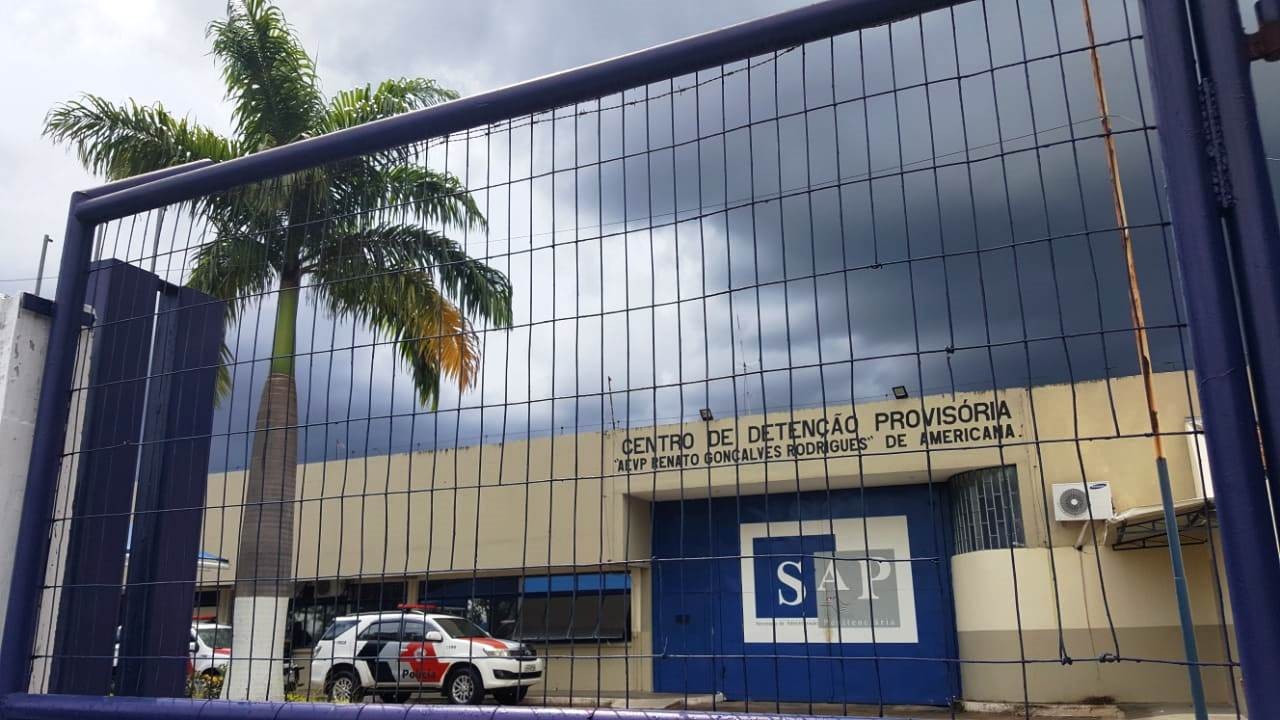
A report by the Public Prosecutor's Office of São Paulo (MPSP) has revealed severe structural, sanitary, and security deficiencies at the Center for Provisional Detention (CDP) in Americana, São Paulo. The report details at least seven inmate deaths in the first half of 2026, with some fatalities, such as pneumonia cases, potentially linked to the prison's precarious hygiene and overcrowding. Oversight bodies have classified the conditions as posing a moderate to high sanitary risk.
The CDP Americana, designed for 639 inmates, currently houses approximately 1,190 individuals, operating at nearly 190% of its capacity. The MPSP's findings, compiled from inspections and reports, formed the basis for a public civil action. The court has ordered the São Paulo government to address these issues, mandating a reduction in overcrowding and the correction of sanitary and fire safety problems within specific timeframes. The unit faces issues including inadequate hygiene, with cells and bathrooms described as damp and poorly maintained. The water supply system, relying on artesian wells, lacks proper technical oversight and monitoring. Healthcare services are also compromised, with expired medications found and a lack of a responsible pharmacist.
Further structural problems include cells meant for nine inmates holding around 20, leading to prisoners sleeping on the floor in crowded conditions and sharing beds. The facility lacks a crucial fire safety inspection certificate (AVCB) and has deficiencies in fire prevention systems, including inoperable equipment and improper use of LPG gas. Deteriorated infrastructure, poor ventilation contributing to excessive heat and disease spread, and a 50% deficit in correctional officers further exacerbate the situation. The court's decision, issued by the 1st Civil Court of Americana, requires the state to limit new admissions and transfer excess inmates within 90 days, rectify sanitary issues within the same period, and address fire safety within 180 days. Failure to comply may result in a daily fine of R$10,000.
This situation highlights a systemic failure in correctional facility management, where infrastructure and staffing levels have not kept pace with inmate populations, leading to severe humanitarian and safety concerns. The court's intervention underscores the judiciary's role in addressing governmental oversights when fundamental rights and public safety are compromised. The long-term implications involve not only the immediate health and security risks for inmates and staff but also the potential for increased recidivism due to inhumane conditions. Future policy considerations should focus on proactive capacity planning, robust infrastructure investment, and sustainable staffing models within correctional systems to prevent such crises and ensure adherence to established legal and ethical standards.
AI-generated to prompt reflection — not editorial opinion, not advice, not a statement of fact. How this works.