São Paulo Court Reverses Ruling Against Councilman Over Mock Bribery Video
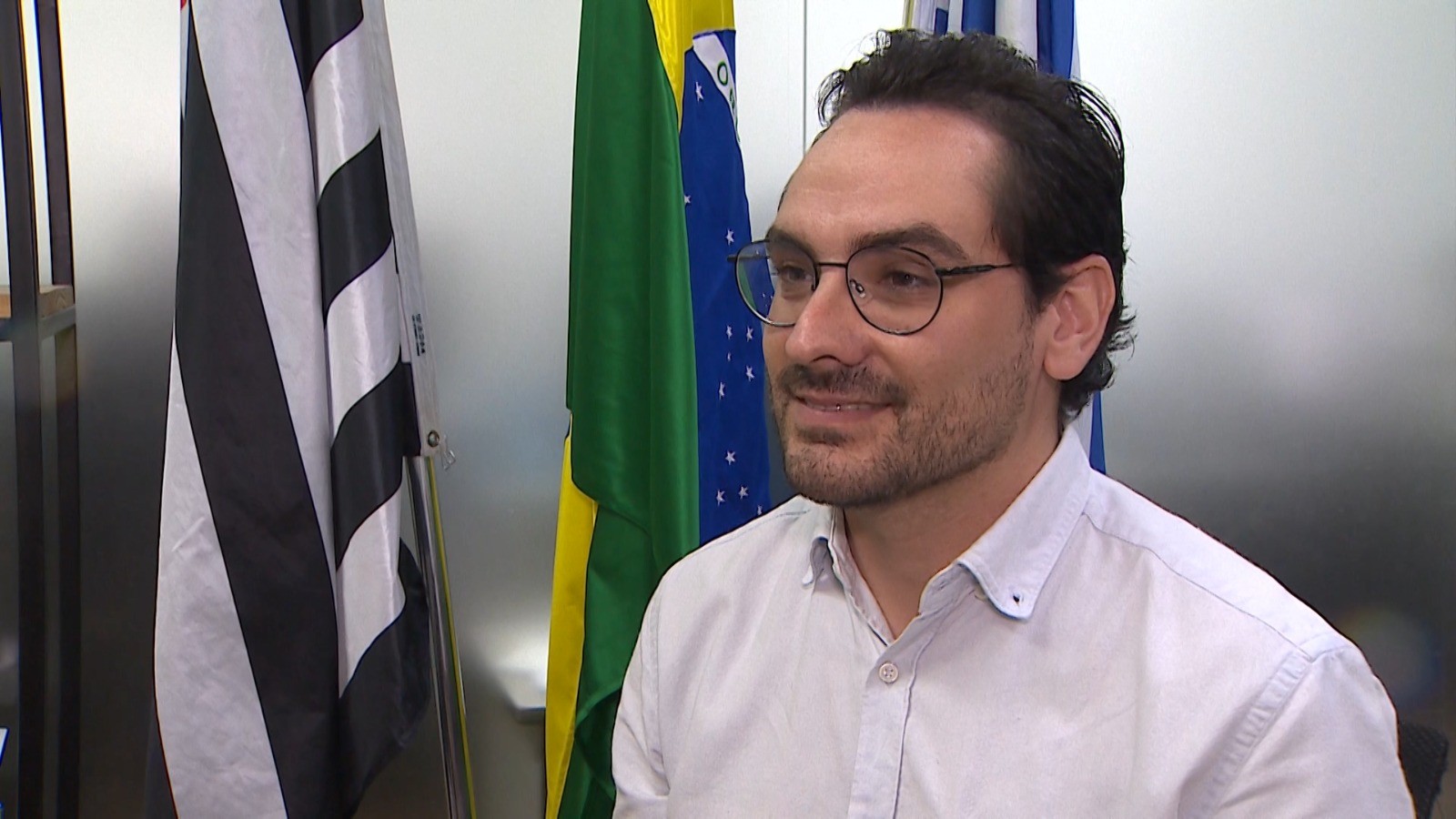
The São Paulo Court of Justice has overturned a R$50,000 fine against Thomaz Henrique, a councilman from São José dos Campos representing the PL party. The initial conviction stemmed from a video posted on social media during the 2024 election campaign, which depicted a municipal inspector allegedly soliciting a bribe. In a unanimous decision, the 10th Chamber of Private Law accepted Henrique's appeal, nullifying the collective moral damages award and dismissing the lawsuit filed by the Union of Municipal Servers of São José (SindServ-SJC). The video showed Henrique staging a scenario where an inspector demanded a "coffee" from a merchant to overlook alleged irregularities. Henrique then appeared in the video, calling the inspector "lazy," simulating a physical assault, and urging entrepreneurs to contact him to "end the farce of the inspectors," promoting what he termed "entrepreneur patrol." The video was later removed. The union had argued that the content exceeded political criticism by broadly associating inspectors with crimes like extortion and passive corruption. SindServ-SJC stated they respect the court's decision but disagree and intend to appeal to higher courts. Previously, a judge had ruled that the video, produced for electoral propaganda, damaged the honor of the entire municipal inspector category. However, the appellate court found no collective moral damage, noting the video's brief availability and removal, and a lack of evidence of concrete harm to inspectors. The reporting judge considered the video satirical political commentary on public administration bureaucracy, protected by freedom of expression, and not an individualized offense. Consequently, the union was ordered to pay court costs and attorney fees.
This case highlights the tension between political expression and the protection of public servants' reputations. The court's decision emphasizes that satirical and critical content, even if provocative, can be protected under freedom of expression, provided it does not constitute individualized defamation or incite harm. The reversal suggests that the initial ruling may have overstepped by broadly condemning an entire professional category based on a staged, albeit controversial, video. Future political discourse may benefit from clearer guidelines on the boundaries of satire and criticism, particularly in the digital age where content can spread rapidly. This ruling offers a perspective on how legal systems might navigate the complexities of political commentary versus the potential for reputational damage to public officials and their roles.
AI-generated to prompt reflection — not editorial opinion, not advice, not a statement of fact. How this works.